
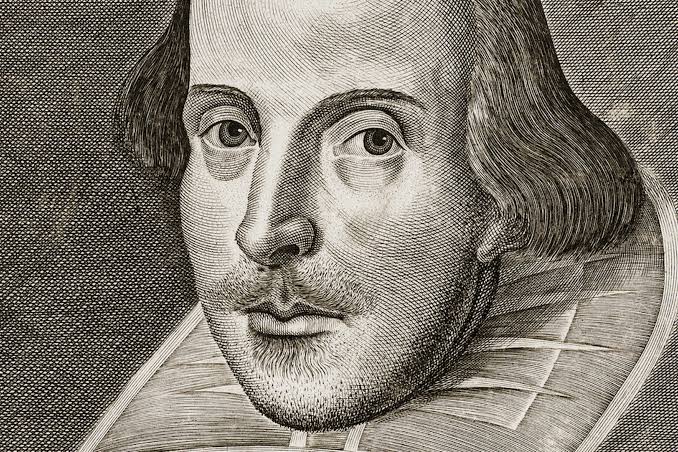
More than four centuries after his death, William Shakespeare’s voice still resonates across theatres, classrooms, and literary circles worldwide, with his words crossing generations, cultures, and languages, making him one of history’s most celebrated literary figures.
Born in Stratford-upon-Avon in 1564, Shakespeare rose from modest beginnings to become a giant of English literature. People around the world know him as the “Bard of Avon.” He transformed storytelling through his mastery of drama, poetry, and language.
Creativity and ambition shaped Shakespeare’s life. At the age of 18, he married Anne Hathaway, and the couple had three children. By the late sixteenth century, he had moved to London, where he built a successful career as an actor, playwright, and shareholder in a theatrical company. The company first operated as the Lord Chamberlain’s Men before adopting the name the King’s Men. Shakespeare’s involvement with the troupe established him as one of the most influential dramatists of his era.
Between 1589 and 1613, Shakespeare produced an extraordinary body of work. His early plays focused on comedy and history, while his later writings explored tragedy and romance. Masterpieces such as Hamlet, Macbeth, King Lear, and Othello examine themes of power, ambition, love, betrayal, and human weakness. These plays continue to captivate audiences because they reflect universal human experiences.
Shakespeare excelled at portraying human nature. He created characters who are complex, flawed, and deeply relatable. Hamlet struggles with indecision, Macbeth falls victim to ambition, and King Lear gains wisdom through suffering. Their emotional journeys still speak to modern audiences.
Shakespeare also earned recognition as a gifted poet. His collection of 154 sonnets explores love, beauty, mortality, and the passage of time. Readers continue to admire these poems for their emotional depth and lyrical beauty. His influence reaches far beyond literature. Writers, filmmakers, and theatre directors continue to translate, adapt, and reinterpret his works. Expressions such as “all the world’s a stage,” “break the ice,” and “wild-goose chase” have become part of everyday speech.
Shakespeare died in 1616 at the age of 52, but his legacy has grown stronger over time. Friends and fellow actors published the First Folio after his death, preserving many of his plays for future generations. Their efforts ensured that readers, performers, and scholars could continue to appreciate his genius.
Today, William Shakespeare symbolizes artistic excellence and the enduring power of words. His works educate, entertain, and inspire people in theatres, schools, and communities across the globe. As Ben Jonson famously observed, Shakespeare was “not of an age, but for all time”—a tribute that remains as meaningful today as it was centuries ago.