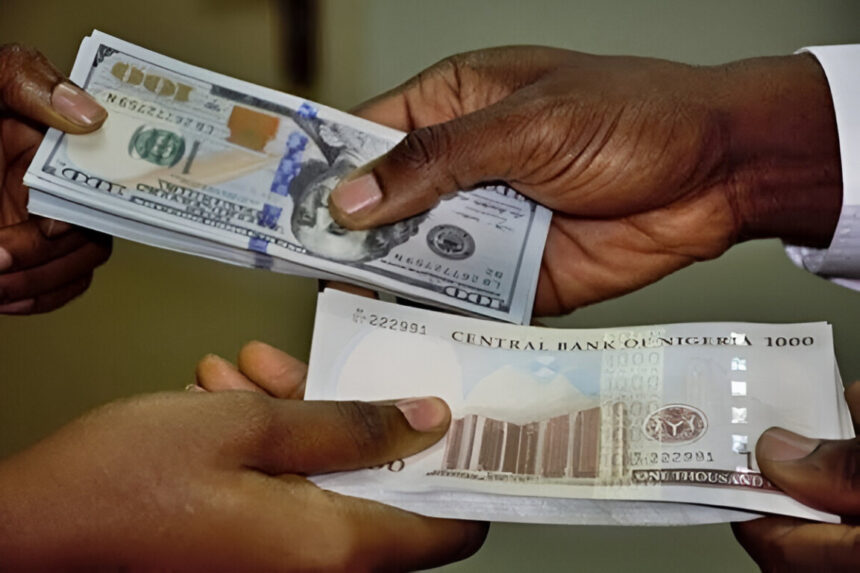
The question “Why does the naira rise and fall?” has become one of the most searched economic questions in Nigeria.
From rising food prices and transport fares to the cost of paying school fees abroad or importing goods, the value of the naira affects almost every aspect of daily life.
Whenever the exchange rate changes, Nigerians feel the impact almost immediately. A weaker naira often means higher prices for imported goods, while a stronger naira can reduce costs and improve purchasing power. But what exactly causes these movements?
The answer is not as simple as one government policy or a single economic event. The value of the naira is influenced by demand and supply, crude oil earnings, inflation, foreign investment, government policies and global developments. Understanding these factors helps explain why the exchange rate changes and why stabilising the currency remains one of Nigeria’s biggest economic priorities.
What Determines Whether the Naira Gains or Loses Value?
Like every other currency, the naira is influenced by demand and supply in the foreign exchange market. Foreign exchange simply refers to the buying and selling of currencies such as the U.S. dollar, British pound and euro.
When more people need dollars than the amount available, the dollar becomes more expensive. Nigerians must therefore spend more naira to buy one dollar, causing the naira to weaken. However, when more dollars enter the economy and supply exceeds demand, the naira can appreciate or remain stable.
Several groups create demand for foreign currency every day. Manufacturers need dollars to import machinery and raw materials. Airlines require foreign exchange to pay international service providers. Students studying abroad must pay tuition in foreign currencies, while businesses import equipment, medicines, electronics, vehicles and other products. Nigerians travelling overseas or paying for international digital services also increase demand for foreign exchange.
The supply of dollars depends largely on how much foreign exchange Nigeria earns. For decades, crude oil exports have remained the country’s biggest source of foreign earnings. Whenever international oil prices rise and Nigeria maintains strong production levels, more dollars flow into the economy. This gives the Central Bank greater capacity to meet demand in the foreign exchange market and can help strengthen the naira.
However, when oil prices decline or production falls because of pipeline vandalism, oil theft, maintenance work or reduced global demand, foreign exchange earnings also decrease. With fewer dollars available, pressure builds on the naira, causing the exchange rate to weaken.
Nigeria also earns foreign exchange from non-oil exports such as agricultural products, solid minerals and manufactured goods. Billions of dollars also enter the country through remittances sent home by Nigerians living abroad. Foreign Direct Investment (FDI), portfolio investments and tourism receipts contribute to increasing the supply of foreign currency. The more diversified these earnings become, the less dependent Nigeria is on crude oil.
Other Factors That Influence the Exchange Rate
Inflation is another major factor. It measures how quickly the prices of goods and services increase over time. When inflation remains high for a long period, the purchasing power of the naira falls. Investors also become more cautious because high inflation reduces the value of future returns. This weakens confidence in the economy and can put additional pressure on the exchange rate.
Interest rates also play an important role. When the Central Bank of Nigeria raises interest rates, Nigerian financial assets may become more attractive to investors looking for better returns. This can encourage more foreign investment and increase the supply of foreign currency. If interest rates are less attractive than those in other countries, investors may move their money elsewhere.
Government policies also affect the value of the naira. The Central Bank of Nigeria manages monetary policy and regularly intervenes in the foreign exchange market. It may supply more dollars, adjust interest rates or introduce reforms to improve market stability. At the same time, the Federal Government’s fiscal policies, including taxation, public spending, borrowing and economic reforms, influence investor confidence and foreign exchange inflows.
Confidence itself is another important factor. Investors are more willing to invest in countries where policies are stable and predictable. They also look for strong institutions and credible economic reforms. When confidence improves, more foreign investment usually enters the country. When uncertainty increases, investors may withdraw their funds, placing additional pressure on the naira.
Global events also have an impact. International conflicts, global recessions, pandemics and supply chain disruptions often affect investment flows worldwide. Rising interest rates in major economies such as the United States can also reduce investment in emerging markets like Nigeria. These developments may reduce the amount of foreign exchange entering the country.
Why Every Nigerian Should Care About the Exchange Rate
Many people believe exchange rates only matter to importers or travellers. In reality, every Nigerian is affected by the value of the naira.
When the naira weakens, imported goods become more expensive. Nigeria imports machinery, pharmaceuticals, industrial equipment, electronics and some food products. As businesses spend more on imports, production costs increase. Most companies eventually pass these costs on to consumers through higher prices.
This is one reason exchange-rate movements often contribute to inflation. Higher transport costs, expensive raw materials and rising production expenses all increase the prices consumers pay for everyday goods and services.
Small businesses are particularly vulnerable. Entrepreneurs who rely on imported materials often see their profit margins shrink whenever the naira depreciates. Some increase prices, while others reduce production or postpone expansion plans. Larger manufacturers also face uncertainty because fluctuating exchange rates make long-term planning more difficult.
Students studying overseas are also affected. Families paying for international education, medical treatment, professional certifications or digital subscriptions usually spend much more when the naira loses value.
A stronger and more stable naira offers several benefits. Import costs become lower, inflationary pressure may ease and consumers enjoy better purchasing power. Businesses can plan with greater confidence, while investors are more likely to invest in a stable economy.
However, economists agree that lasting currency stability requires more than short-term interventions. Nigeria must expand local production, increase non-oil exports, strengthen agriculture and improve manufacturing. The country also needs to attract more foreign direct investment, promote value-added exports and reduce its dependence on imports.
Developing sectors such as technology, mining, renewable energy, tourism and agro-processing can also help Nigeria earn more foreign exchange. A more diversified economy is better able to withstand fluctuations in global oil prices.
Ultimately, the naira reflects the overall health of the Nigerian economy. It responds to production levels, investor confidence, government policies and global economic conditions. While exchange rates naturally rise and fall, a stronger economy provides the best foundation for long-term currency stability.
Understanding why the naira rises and falls helps individuals make better financial decisions. It also helps businesses manage risks and plan for the future. Although currency fluctuations are normal, building a productive and diversified economy remains Nigeria’s best path to a stronger and more stable naira.