I have never been a preacher of love, hate, or certainty. Instead, I am drawn to responsibility, the kind that comes quietly carrying others.
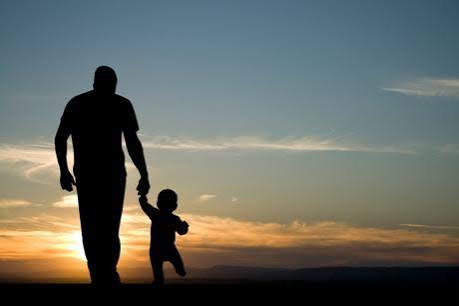
A father or strong male figure often communicates before speaking. Their gaze carries confidence, their silence holds steadiness, and their presence alone signals that someone is ready to shoulder responsibility. That unspoken strength has always left me in awe.
Fathers tend to mirror reality. They introduce life as it is, not as we wish it to be. At times, that reflection feels harsh, and we may even mistake firmness for cruelty.
Recently, many argued that some parents do not love their children. I disagreed. Financial hardship or emotional exhaustion does not automatically cancel out love. Poverty often distorts expression, and responsibility can harden a person’s outward behavior without destroying emotional depth.
This does not excuse neglect or abuse. However, it reminds us that struggle can look like indifference when viewed from the outside. That is why I hesitate when people quickly label fathers as wicked. Life often makes good people appear distant.
One reality stands out clearly: society rarely praises men. Instead, it expects them to give more, provide more, endure more, and complain less. Their efforts are measured against unrealistic standards while their sacrifices quietly fade into the background.
Yet men remain human. They experience fear, hope, disappointment, and emotional pain just like anyone else.
At times, conversations with trusted male friends brought clarity when emotions created confusion. Their calm thinking and structured approach to problems often stood out.
As children, many of us saw fathers as superheroes without capes. We waited eagerly for their return home not just because we missed them, but because they often brought small gifts like sweets, biscuits, or simple surprises that turned ordinary evenings into something special.
Those moments built trust and shaped admiration. Fathers felt larger than life.
Adulthood slowly changes that view. We begin to understand that fathers are not superheroes. They are human beings carrying heavy responsibilities. They grow tired, they worry, they fail, they lose, they grieve, and they also cry often in silence.
Perhaps the greatest misconception about men lies in emotional expectation. Society often pushes them to hide feelings beneath layers of strength until even those closest to them forget they feel pain.
Many men become emotional closed boxes, storing disappointments, silent victories, unanswered prayers, and private battles. They continue carrying these burdens because they believe no one wants to hear them.
As a result, the world sees only the surface: the distant man, the quiet man, the “strong” man. Rarely does anyone ask what that silence costs him.
Fathers and male figures deserve more than expectation. They deserve understanding, gratitude, and, most importantly, to be heard not only for what they did right or wrong, but for what they carried quietly while shaping the lives around them.
That, perhaps, is the true unsung symphony of fathers.