
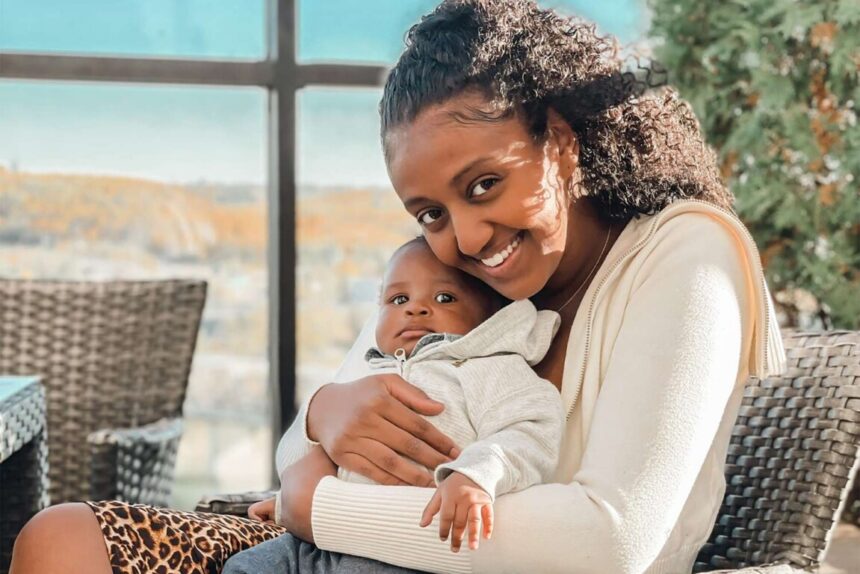
Society loves to paint parenthood in bright colors. People call children blessings, gifts, miracles, and bundles of joy as a matter of fact, many parents hear that having children will bring them complete happiness and give their lives meaning. Movies, books, and social media often repeat the same message, children are life’s greatest reward.
However, real life tells a more complicated story. Many parents love their children deeply while also carrying heavy burdens because of them. Raising children demands time, money, energy, and sacrifice. For that reason, some people believe society needs a more honest conversation about what parenthood truly means.
For years, people have used emotional language to describe children. They compare them to angels, roses, and precious gifts. While these descriptions sound beautiful, they often hide the reality of raising a child.
Parenthood is not magic, it is work. Parents wake up in the middle of the night to care for sick children, spending years paying school fees, buying food, solving problems, and making difficult decisions. In addition, they carry the emotional weight of guiding another human being through life. When society focuses only on the joy, it often ignores the responsibility.
A child is not a trophy, or a retirement plan neither is he/she a guarantee of happiness. Instead, a child represents a long-term commitment.
The moment people decide to become parents, they accept a duty that can last for decades, they agree to provide care, protection, education, and support. Every major decision can affect the future of another person.
As a result, many parents feel responsible for both the successes and failures of their children. They celebrate achievements with pride. At the same time, they often blame themselves when things go wrong.
That pressure can be enormous.
While you may assume that describing children as a responsibility means parents do not love them, that assumption misses the point. Love and responsibility can exist together. In fact, responsibility often proves the depth of love. Good parents show their love through daily actions. They work hard, make sacrifices, and put their children’s needs first. Their commitment matters more than sentimental words.
Therefore, acknowledging the challenges of parenting does not make someone ungrateful. It simply makes them honest.
Children are human beings, not fairy tales. They have needs, emotions, strengths, and weaknesses. They require guidance, discipline, and support. Sometimes they bring joy. Other times they create stress, worry, and financial pressure. That reality does not make children bad, it simply reflects the truth of raising another person.
Perhaps society should stop treating parenthood as a guaranteed path to happiness. Instead, it should recognize it as one of the biggest responsibilities a person can choose.
Parents do not become heroes because they have children. They become responsible for them. A healthy view of parenthood starts with accountability rather than fantasy. It focuses on duty instead of romantic slogans. Most importantly, it recognizes that raising children requires effort every single day.
The true measure of a parent is not how much happiness a child brings into their life, it is how seriously they take the responsibility of raising that child.