
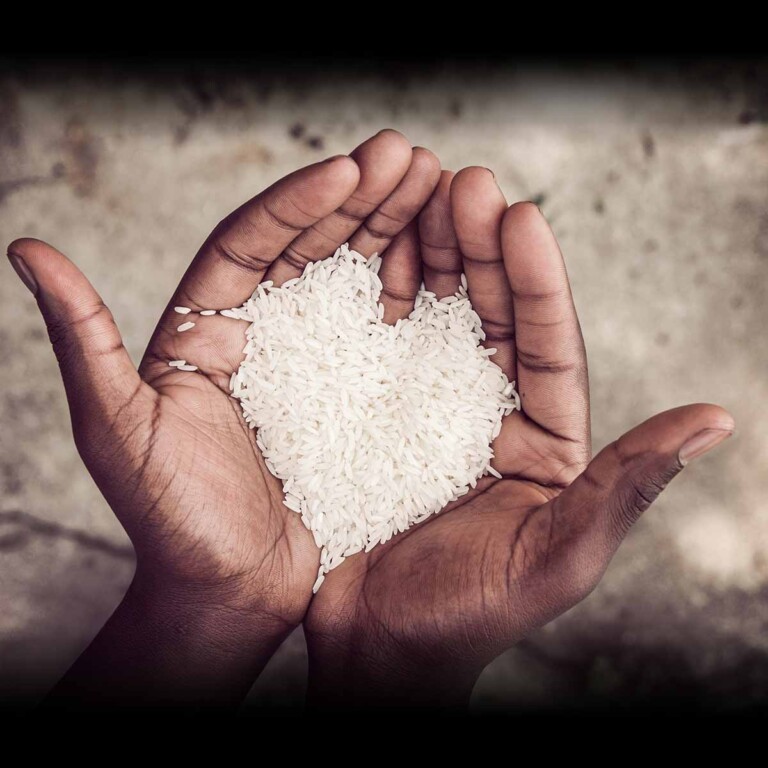
While many have plenty to eat, others have nothing. In some parts of the world, food is scarce. For millions of families, finding one meal a day has become a daily battle for survival.
As the world marks World Hunger Day on May 28, the growing hunger crisis reminds us that food is still out of reach for many people, around the world, more than 318 million people face serious food insecurity. Millions more suffer from chronic hunger. Many families do not know where their next meal will come from.
Nigeria is also facing a serious food crisis. Rising food prices, insecurity, climate change, and economic hardship have made life difficult for many households.
Communities in northern Nigeria are among the worst affected. Violence and displacement have forced many farmers away from their lands. Flooding and drought have also reduced food production.
According to the Global Hunger Index, Nigeria falls under the “serious” hunger category. Millions of children and families remain at risk of malnutrition,despite the growing crisis, organizations and communities are taking action.
International groups like the World Food Programme and Action Against Hunger continue to provide food and emergency support to vulnerable people around the world.
In Nigeria, local charities, religious centres, and volunteers are helping struggling families through food drives and community kitchens. Some groups also provide meals for displaced persons and low-income households.
Technology is also helping people contribute. Apps like allow users to donate meals through their phones. Educational platforms like Freerice also help raise food donations through simple quizzes.
Hunger affects more than the stomach. Poor nutrition weakens the body and makes it harder to fight disease,children who do not get enough food often suffer from stunted growth and poor brain development. Malnutrition also increases the risk of illnesses such as malaria and pneumonia.
Women and children are usually the most affected during food shortages. In many homes, mothers skip meals so their children can eat, conflict remains one of the biggest causes of hunger worldwide. Wars destroy farms, force families to flee their homes, and block aid from reaching people in need.
Climate change is also making the situation worse. Droughts, floods, and unpredictable weather continue to destroy crops and livestock,at the same time, rising food prices and economic hardship make healthy meals too expensive for many families.
Experts say everyone can help in the fight against hunger.
People can reduce food waste, support local farmers, donate food items, volunteer with charities, and raise awareness online. Governments and community leaders are also encouraged to invest more in agriculture and food support programmes.
World Hunger Day is not only about talking about the problem. It is also about finding solutions and supporting people in need.
Because in a world that produces enough food for everyone, nobody should go hungry.