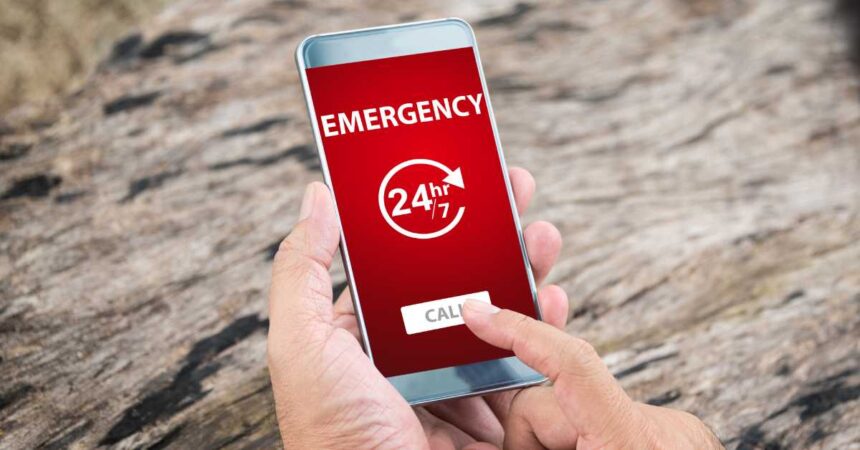
In emergencies, every second matters, whether it is a road accident, fire outbreak, medical emergency, or security threat, knowing the right number to call can save lives.
However, many Nigerians still do not know the country’s major emergency hotlines or how to use them properly.
Today, emergency response agencies across Nigeria provide several hotlines for quick access to help during critical situations, therefore, saving these numbers on your phone can make a huge difference during emergencies.
What Are Emergency Numbers?
Emergency numbers are special hotline contacts that connect citizens directly to trained responders, once a person places a call, operators quickly assess the situation and send the right emergency team.
In most cases, these services are toll-free, fast, and available at all times and as a result, people can receive urgent assistance without delay.
At the national level, 112 remains Nigeria’s universal emergency number, it connects callers to different agencies, including medical teams, firefighters, and security personnel.
In addition, the Federal Road Safety Corps can be reached through 122 during road accidents and traffic emergencies. FRSC officials often assist accident victims and help control traffic in dangerous situations.
Meanwhile, residents in Lagos State can also dial 767 for rapid emergency response services.
For crime-related emergencies, the Nigeria Police Force serves as the main responder. Citizens can dial 199 nationwide for urgent police assistance. In Lagos, however, residents may also use 767 for security emergencies.
Furthermore, agencies like the Department of State Services and the Nigeria Security and Civil Defence Corps support national security operations and disaster response efforts because of rising security concerns in many parts of the country, experts advise citizens to report suspicious activities immediately.
Medical emergencies require quick action, therefore, ambulance and emergency medical services remain very important during accidents, trauma cases, and health crises.
Several organizations, including the Nigeria Red Cross Society and Emergency Response Africa, provide emergency medical support.
Likewise, some major hospitals maintain emergency contact lines for urgent treatment and patient evacuation, as a result, victims can receive faster medical attention during critical situations.
Fire outbreaks and natural disasters also require immediate response, the Federal Fire Service handles fire emergencies and rescue operations across the country.
In addition, the National Emergency Management Agency coordinates response efforts during floods, building collapses, and other disasters because disasters often spread quickly, authorities encourage citizens to contact emergency agencies immediately after noticing danger.
Nigeria also provides support lines for victims of domestic violence, child abuse, and mental health crises, these services offer counselling, confidential support, and legal guidance and experts say early reporting can help victims receive protection and emotional support faster.
To improve response time, callers should remain calm and provide accurate information when speaking with emergency operators, they should state their exact location clearly, mention nearby landmarks if possible, describe the emergency briefly and accurately, keep their phone line available for follow-up calls and most importantly, avoid prank calls because they waste valuable response time and may endanger lives.
There’s the need for many Nigerians to know that emergency numbers are more than ordinary contacts, they are lifesaving tools during dangerous situations.
Therefore, Nigerians should save important emergency numbers on their phones and share them with family members and friends. Preparedness remains one of the best ways to stay safe during emergencies.