A Nigerian Islamic scholar has said Artificial Intelligence (AI) has the potential to improve Islamic education and expand access to religious knowledge if it is developed and used within ethical guidelines.
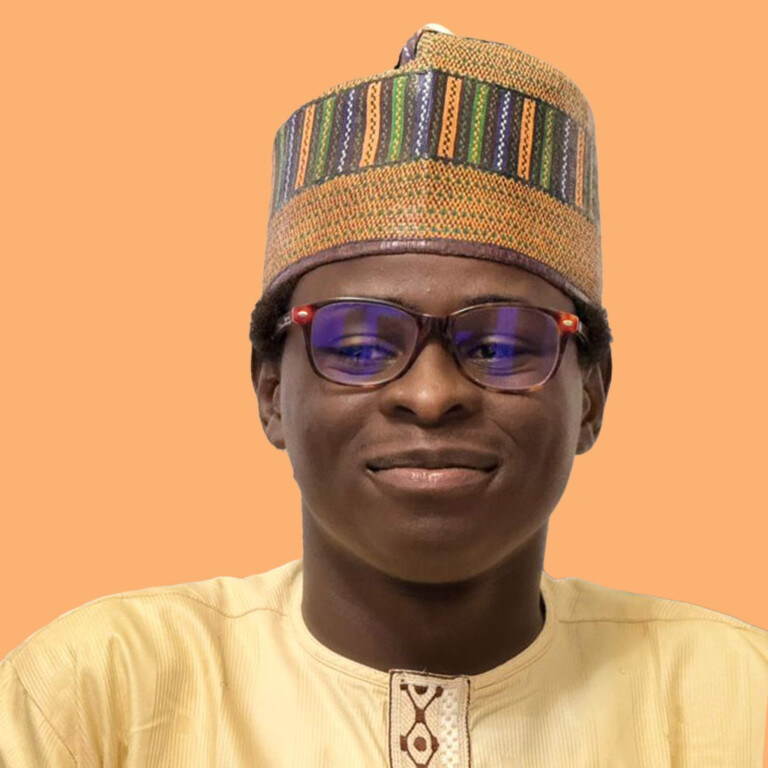
Dr Muhammad Salah The scholar emphasised that technology should serve as a supportive tool for teachers, students and researchers rather than replacing qualified Islamic scholars and traditional methods of learning.
According to the report, the growing use of AI in education presents opportunities for Islamic learning institutions, including easier access to educational materials, personalised learning experiences and improved methods of teaching religious subjects. (Frontiers)
The scholar, however, warned that AI tools must be used responsibly to avoid spreading inaccurate religious information. He stressed the importance of ensuring that AI-generated Islamic content is verified by knowledgeable scholars and based on authentic sources.
Experts in Islamic education have similarly argued that AI can assist Qur’anic learning through tools that support recitation, memorisation, explanations and self-paced learning. However, they noted concerns around accuracy, overdependence on technology and the possibility of misinterpretation of religious texts. (Frontiers)
The scholar added that ethical principles such as honesty, accountability, privacy protection and respect for Islamic values must guide the adoption of AI in religious education. He maintained that technology should complement the role of teachers and scholars by making learning more accessible while preserving the spiritual and moral dimensions of Islamic education. (DOI)
The discussion comes amid increasing global interest in integrating artificial intelligence into education systems. While supporters highlight its ability to bridge knowledge gaps and support learners in underserved communities, critics caution that religious education requires human interpretation, mentorship and scholarly authority that technology cannot independently provide. (ijmmu.com)
The scholar therefore called for greater digital literacy among Islamic educators and a balanced approach that combines technological innovation with established Islamic educational traditions. (journal.kurasinstitute.com)