
The All Progressives Congress (APC) has concluded its primary elections, producing candidates who will represent the party in the next general elections.
Beyond the list of winners, the figures emerging from the exercise offer insight into the party’s internal strength, political alliances, and the challenges ahead as Nigeria moves closer to 2027.
At the presidential level, President Bola Ahmed Tinubu emerged as the APC flag bearer after securing 10,999,162 votes, while his challenger, Stanley Osifo, recorded 16,503 votes. READ MORE:Obi, Kwankwaso Lead NDC’s Battle Against Deregistration
The outcome represents a margin of more than 10.9 million votes, highlighting Tinubu’s dominance within the party’s internal structure and the level of support he commands among APC delegates.
However, political observers note that party primaries are not determined by numbers alone. Factors such as grassroots mobilisation, delegate influence, loyalty, internal negotiations, and political alliances often shape the outcome of such contests.
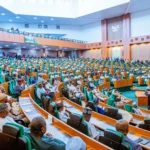
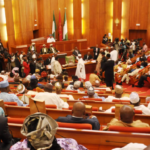
Across other elective positions, the primaries produced both victories and surprises, with several incumbent lawmakers losing their bids to return to the National Assembly.
Reports indicate that more than 40 members of the House of Representatives failed to secure their party’s ticket, reinforcing the reality that holding public office does not automatically guarantee political survival.
While incumbents may have experience, visibility, and access to political structures, the results show that acceptance within the party and support from delegates remain critical factors in securing another term.
Signals Ahead of 2027
The APC primary results point to several key developments ahead of the next general elections.
First, the outcome reflects the organisational strength of the ruling party, which continues to maintain a broad political structure across different parts of the country.
Second, the primaries have revealed emerging political alignments and internal power dynamics. With candidates now selected, attention will gradually shift from internal party contests to the wider challenge of winning the support of Nigerian voters.
The major test for the candidates will be whether they can convince citizens on issues that directly affect their daily lives, including the cost of living, employment opportunities, insecurity, education, and effective governance.
Winning a party primary may be the first major hurdle, but the larger contest remains earning public confidence during the general elections.
The APC primaries therefore represent more than an internal party exercise. They provide an early indication of the political direction Nigeria may take as the country approaches 2027.
The coming election will not only be about personalities and party structures, but also about policies, leadership performance, and the expectations of millions of Nigerians seeking meaningful change.
Ultimately, Nigeria’s political future will depend not only on party machinery but also on how leaders govern, how citizens evaluate their performance, and whether national progress becomes the central focus of political competition.