
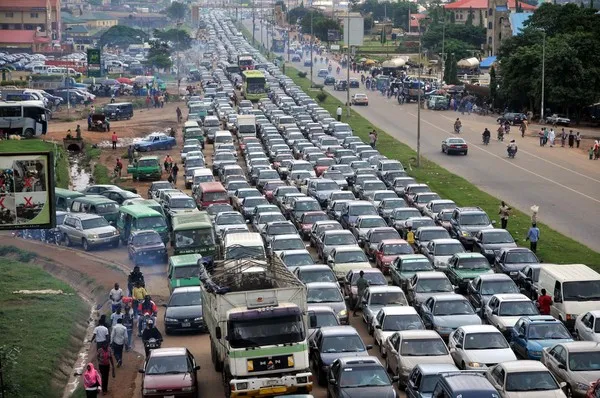
By 6:30 a.m. the city is already awake, Horns blare, buses jostle for space, and commuters anxiously check their watches.
Every minute matters because many workers are racing against time to sign attendance registers and avoid being marked late.
Mondays are always so stressful, of course because everybody wants to sign attendance at work.
Across Abuja, particularly in busy districts such as Garki 2, the first working day of the week often feels like a competition. Civil servants rush to beat biometric sign-ins, private sector employees hurry to their desks, and business owners are eager to start the week strongly. The result is a familiar sight,long queues of vehicles, frustrated commuters, and roads struggling to cope with demand.
The Monday Rush
One major reason Mondays are chaotic is the concentration of commuters within a narrow time frame. Weekend routines are usually more relaxed. People sleep later, wake up later, and take a break from their weekday schedules.
By Monday morning, however, everyone attempts to return to normal at the same time. Thousands of workers leave their homes within a short period, creating intense pressure on major roads.
Unlike other weekdays, when movement is more evenly spread out, Monday traffic peaks quickly and remains heavy for several hours.
Returning From Weekend Trips
Another factor is the influx of people returning to the city after spending the weekend elsewhere. Many Abuja residents travel outside the capital for weddings, family visits, religious activities, or business engagements.
By early Monday, they are back on the highways, joining regular commuters heading to work. This sudden increase in traffic places enormous pressure on major entry points into the city.
The Pressure of Monday Meetings
Mondays are often associated with important meetings. Many organisations hold management briefings, departmental reviews, and strategy sessions at the beginning of the week.
Employees know that arriving late could mean missing crucial discussions or attracting the attention of supervisors. Consequently, there is a collective urgency to arrive early.
This pressure contributes to impatient driving, frequent lane changes, and risky manoeuvres. In some cases, minor accidents occur, worsening already congested roads.
Stress Behind the Wheel
Mondays are not only physically demanding but also psychologically taxing. After two days of rest, workers return to busy schedules and pending assignments.
The anxiety of being late increases stress levels. Drivers become more aggressive, while commuters grow increasingly frustrated as minutes tick away in traffic.
By the time many workers reach their offices, they are already exhausted before the day’s activities begin.
A Weekly Test of Patience
For many Abuja residents, Monday traffic has become an accepted reality. Attendance registers must be signed, biometric systems activated, and meetings attended.
Perhaps this is what makes Mondays feel particularly overwhelming. It is not simply about traffic congestion. It is about thousands of people trying to restart their routines at exactly the same moment.
Until work schedules become more flexible or remote work becomes more widespread, Monday mornings in Abuja may continue to be a weekly test of patience, endurance, and determination.