


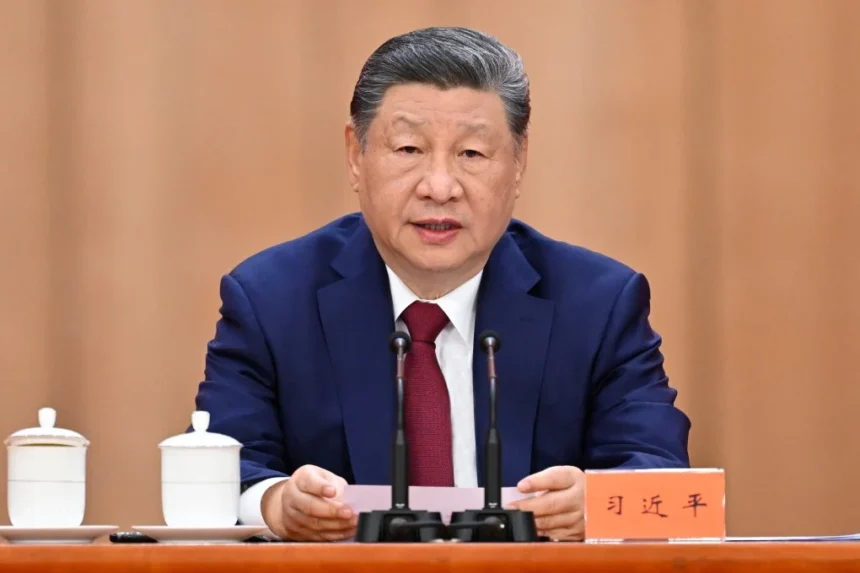
The fifth plenary session of the 20th Central Committee began in Beijing on Monday, October 26, bringing together senior party officials to consider proposals on strengthening what the party describes as comprehensive and rigorous self-governance.
Xi, who also serves as the party’s general secretary, presented a work report on behalf of the Politburo and explained a draft decision on improving party governance. The proposals seek to strengthen internal rules, improve officials’ performance and ensure that central government directives are implemented effectively.
Xi’s Anti-Corruption Campaign Under Scrutiny
Since coming to power in 2012, Xi has overseen an extensive anti-corruption campaign that has resulted in investigations and disciplinary action against officials across the party and government, including senior military figures.
Chinese authorities describe the campaign as necessary to tackle corruption, strengthen discipline and improve public administration. The current meeting is expected to reinforce these priorities by examining ways to close oversight gaps and ensure that party rules are enforced consistently.
However, the campaign has also attracted criticism. Analysts have raised concerns that extensive investigations and the removal of senior military officers could weaken institutional stability and affect military readiness. The Chinese leadership maintains that stronger discipline and accountability are essential to the party’s continued effectiveness.
Why the Meeting Matters Ahead of 2027
The gathering comes as China prepares for the 21st National Congress of the Communist Party, expected in 2027, when the party will determine its next leadership arrangements.
Xi is widely expected to seek a fourth term as party leader, although the meeting itself is not expected to make the final decision on the next leadership term. Observers will instead be watching for indications of how the party intends to manage personnel changes, reinforce political discipline and maintain continuity in its leadership.
The discussions are also taking place amid economic challenges, including concerns over domestic demand and the property sector. Although the current plenary session is centred on party governance rather than a new economic blueprint, its decisions could provide insight into the leadership’s approach to implementing policy and managing officials responsible for national priorities.
What Happens Next?
The four-day meeting is scheduled to conclude on Thursday, October 29, when the party is expected to release an official account of its decisions.
The outcome could clarify how China plans to strengthen internal oversight, enforce party discipline and address corruption ahead of the 2027 congress. Any signals on senior appointments or leadership arrangements will also attract attention as observers assess the direction of China’s political system under Xi.