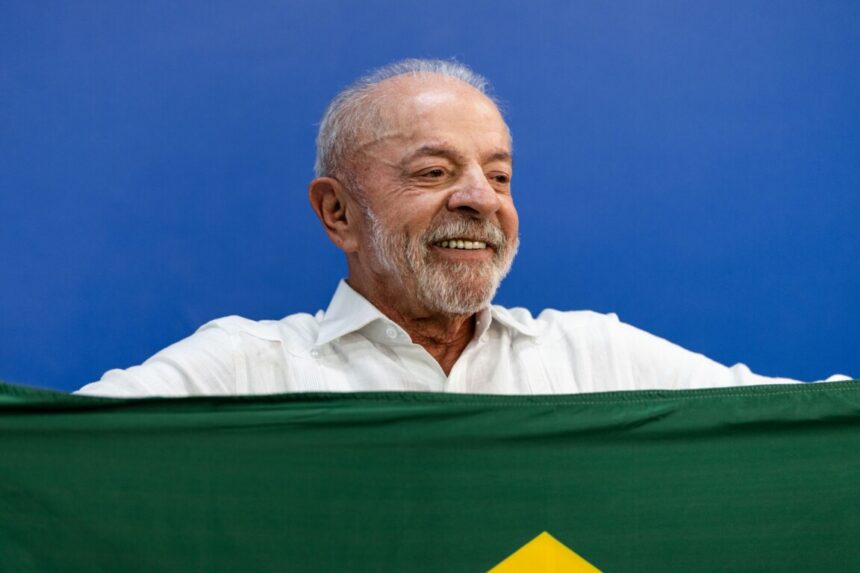
Brazilian President Luiz Inácio Lula da Silva has secured a historic fourth, non-consecutive term as he defeated right-wing senator Flávio Bolsonaro in a closely contested runoff election on October 25, 2026.
Brazil’s electoral authority reported that Lula won 51.79 per cent of valid votes. Bolsonaro received 48.21 per cent. The result gives Lula another chance to lead Latin America’s largest economy. It also highlights the deep political divisions within the country.
Bolsonaro Challenges the Result
Despite the official result, Flávio Bolsonaro has refused to concede defeat. He says he will seek to annul the election.
Bolsonaro questioned a Supreme Court justice’s decision to extend voting hours by two hours. The decision followed concerns about transportation difficulties that affected voters. However, Bolsonaro’s own campaign had also requested an extension in areas affected by heavy rainfall.
The dispute has raised concerns about possible protests and further political tensions. However, analysts say the narrow margin alone does not establish grounds for overturning the result.
Challenges Ahead for Lula
Lula now faces the difficult task of governing a deeply divided country. He must also work with a Congress that has shifted further to the right.
Economic pressures remain a major concern for Brazilian households. Rising living costs, public debt and household borrowing could test his administration. Voters will also expect progress on jobs, poverty and public services.
During his campaign, Lula promised to reduce inequality, support workers and strengthen social welfare programmes. His government must now turn those promises into measurable results.
Why the Election Matters Beyond Brazil
Brazil’s political direction matters far beyond its borders. The country plays a major role in international trade, climate policy and global diplomacy.
Lula has supported environmental protection, particularly efforts to preserve the Amazon rainforest. His next administration will face pressure to balance conservation with economic growth.
The result also matters for Latin America’s political landscape. Governments across the region will watch how Lula handles domestic divisions and relations with major powers, including the United States and China.
What Happens Next?
Brazil now faces two immediate questions. Will Bolsonaro pursue a legal challenge, and how will Lula unite a divided electorate?
Lula’s victory gives him another opportunity to shape Brazil’s economic and social future. But his success will depend on whether he can deliver tangible improvements in people’s lives while managing political opposition.
His new term is expected to begin in January 2027.