The Federal Competition and Consumer Protection Commission (FCCPC) has warned oil marketers against exploiting Nigerian consumers through what it described as unfair pricing practices in the downstream petroleum sector, following the continued decline in global crude oil prices. (Daily Trust)
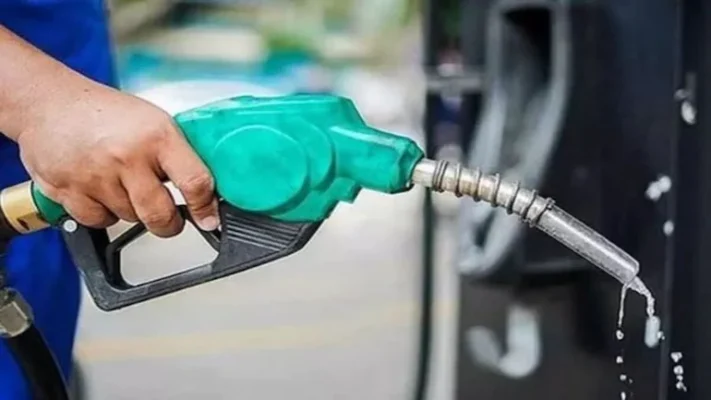
The commission expressed concern that petrol prices in Nigeria have not reduced significantly despite the fall in international crude oil prices, arguing that consumers should benefit from improved market conditions. (Daily Trust)
According to the FCCPC, its monitoring of the petroleum market showed that marketers and other operators quickly adjusted pump prices upward when crude oil prices increased, but have been slow in passing on the benefits of declining crude prices to Nigerians. (The Guardian Nigeria)
The commission’s Executive Vice Chairman and Chief Executive Officer, Tunji Bello, said the agency does not regulate petrol prices in the deregulated downstream sector but has the responsibility to ensure fair competition and protect consumers from exploitative practices. (Sahara Reporters)
The FCCPC said international crude oil prices have dropped significantly from previous highs, yet petrol prices remain relatively high in many parts of Nigeria. The commission noted that while several factors such as refining costs, foreign exchange rates, logistics and distribution expenses affect fuel pricing, market competition should ensure that consumers enjoy reductions when production costs decline. (The Guardian Nigeria)
The warning comes amid growing public frustration over the cost of petrol, which has continued to influence transportation fares, food prices and the general cost of living across the country.
The commission threatened to investigate and sanction any marketer found engaging in anti-competitive behaviour, price manipulation, price fixing or other practices that violate consumer protection laws. (Sahara Reporters)
The FCCPC also encouraged Nigerians to report suspected cases of unfair pricing, misleading information or other exploitative practices through its complaint channels. (Daily Trust)
The development has renewed debate over Nigeria’s deregulated petroleum market, with analysts arguing that deregulation must come with stronger oversight mechanisms to ensure that consumers are not left to bear the burden of market fluctuations alone.
While oil marketers have often pointed to factors such as exchange rate challenges, operational costs and supply chain expenses as reasons for high petrol prices, the FCCPC insists that declining global crude prices should reflect at the retail level. (The Guardian Nigeria)
The agency’s intervention highlights the continuing challenge of balancing market liberalisation with consumer protection in Nigeria’s energy sector. (Sahara Reporters)