The Ojude Oba Festival in Ijebu Ode has evolved far beyond a cultural homecoming. Today, it stands as one of Nigeria’s most powerful public displays of fashion, identity, and social status. What was once purely a traditional celebration of homage to the Awujale of Ijebuland has transformed into a visual showcase where heritage meets luxury, and where clothing has become a language of influence.
At the centre of this spectacle are the regberegbe (age-grade groups), collective identities that compete not through individuals, but through coordinated fashion expression. Groups such as Gbobaleye, Bobagbimo, Gbobalaye, and Obafuwaji arrive in carefully curated uniforms that can take months of planning. Their outfits, often made from aso-oke, lace, velvet, and brocade, are heavily coordinated in colour and design, with embroidery and tailoring that can collectively cost millions of naira per group. Each appearance is not just fashion, it is generational pride on display.
Alongside the regberegbe are prominent cultural and public figures whose appearances shape the festival’s modern visual identity. One of the most widely recognized in recent years is Farooq Oreagba, popularly dubbed the “King of Steeze.” His horseback appearances, earthy-toned agbadas, layered jewellery, cigar styling, and calm but commanding presence have become symbolic of a new Ojude Oba aesthetic, where heritage meets curated luxury identity. Similarly, political and traditional elites such as Governor Dapo Abiodun have appeared in richly embroidered agbadas, coral beads, and ceremonial accessories that reinforce the deep link between authority and Yoruba royal fashion tradition.
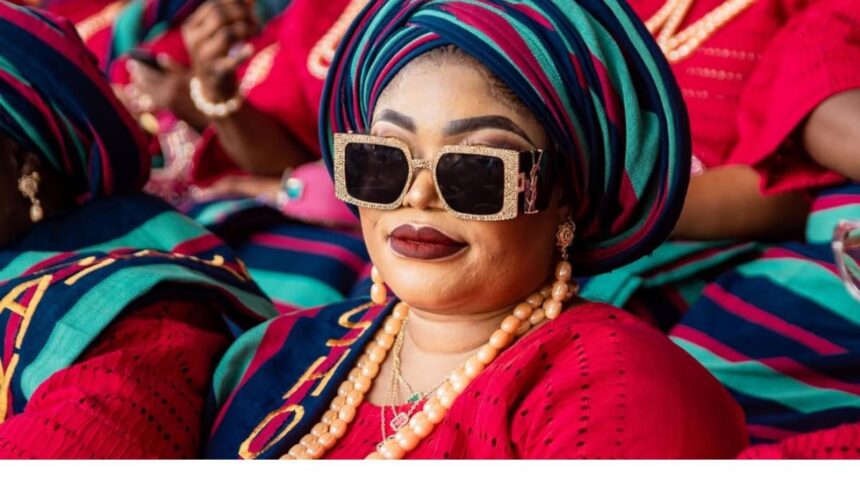
However, the most striking modern evolution in Ojude Oba fashion is not just fabric, it is eyewear. Sunglasses have become a defining accessory, transforming traditional outfits into contemporary luxury statements. Oversized frames, mirrored lenses, and gold-accented designs now sit comfortably alongside agbadas and gele, reshaping how prestige is visually communicated.
Eyewear at Ojude Oba now falls into three dominant categories. First are luxury-inspired designer frames modelled after brands like Gucci, Dior, Versace, and Louis Vuitton, with prices ranging from about ₦20,000 for high-quality inspired pieces to over ₦1 million for original luxury items. Second are minimalist “old money” styles aviators, rimless lenses, and brown-tinted glasses that signal quiet wealth and maturity. Third are bold fashion-forward frames worn mainly by younger participants, designed to stand out in photographs and social media moments.
What makes sunglasses particularly powerful at Ojude Oba is their symbolic effect. They add mystery, confidence, and a layer of modern anonymity to deeply traditional attire. A man in agbada and coral beads becomes not just a cultural participant but a styled figure of prestige. A woman in gele and lace, paired with oversized frames, becomes both traditional and runway-ready.
Ultimately, Ojude Oba fashion is no longer just about dressing for tradition, it is about performing identity in a global visual culture. The festival has become a living runway where ancestry, wealth, craftsmanship, and modern luxury intersect. Every agbada, every gele, and every pair of sunglasses contributes to a larger story: a culture that is not only preserved, but constantly reimagined through style.