
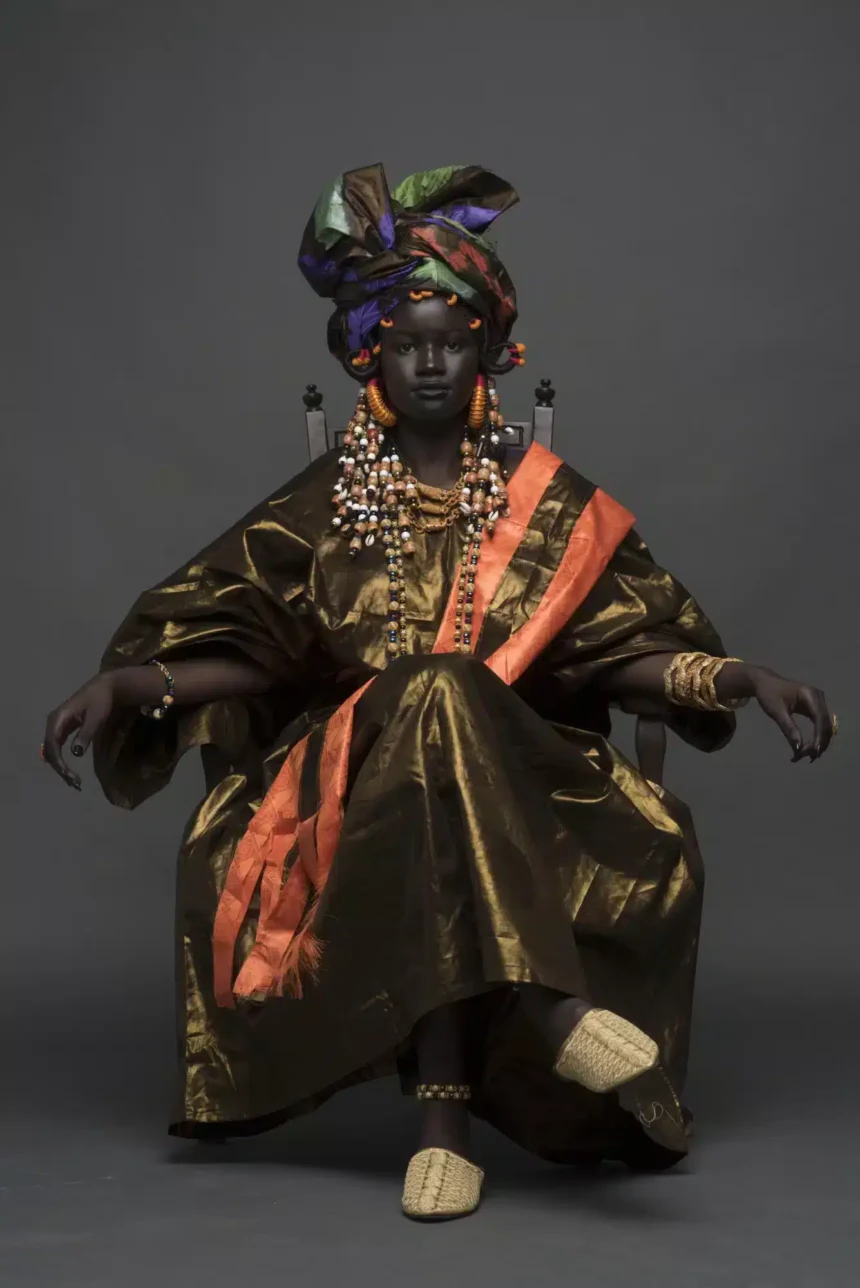
For many years, Western media has shown African fashion through stereotypes and exaggerated images.
Fashion campaigns and magazines often focus only on animal prints, beads, and “tribal” styles.
While these designs may look attractive, they do not fully represent African fashion. Instead of showing its richness and variety, many global platforms turn African culture into a trend for entertainment and business.
African fashion has always carried deep cultural and historical importance.
Across the continent, clothing represents identity, tradition, spirituality, and social class.
Fabrics such as Aso-Oke in Nigeria, bark cloth in Uganda, and beadwork in Kenya and South Africa each tell unique stories.
In many African communities, fashion is more than appearance. Colours, patterns, and accessories often reflect heritage, important life events, and community pride.
Many Western fashion brands have borrowed ideas from African culture without properly giving credit.
Designers often use African-inspired prints, fabrics, and clothing styles in their collections. However, the local artisans and communities behind these ideas are rarely recognized.
African creativity is often celebrated only after it appears on European runways or in luxury fashion campaigns.
As a result, the inspiration receives attention while the original creators remain unseen.
Today, African designers are changing this narrative through social media and global exposure. Cities like Lagos, Johannesburg, Dakar, Accra, and Nairobi are becoming important fashion centres.
Young designers are mixing traditional craftsmanship with modern fashion in creative and authentic ways.
Platforms like Instagram and TikTok allow African designers and stylists to share their work directly with audiences around the world.
The future of African fashion depends on Africans telling their own stories and building their own industries. African fashion is not just a trend or costume. It is a living culture shaped by history, creativity, and identity.
As global interest in African fashion continues to grow, people must move beyond stereotypes. More attention should be given to the craftsmanship, meaning, and cultural value behind the designs. The true beauty of African fashion lies in how African people continue to protect, modernize, and proudly wear it every day.