
The Banna tribe of Ethiopia has preserved its culture for generations, despite a rapidly changing world, they live in the country’s remote Lower Omo Valley and continue to practise traditions that shape their identity, support their livelihoods and strengthen their community.
The Banna, also called the Bana, are an indigenous people who speak an Omotic language. About 47,000 people belong to the tribe. They live between the Weyto and Omo rivers, with many families settling around Dimeka and Gazer in southern Ethiopia. The Banna share close cultural ties with their neighbours, the Hamer people, and many customs reflect this long history.
Life in the Banna community revolves around farming and livestock. Families grow crops such as sorghum, maize and beans while raising cattle, goats and sheep. Cattle hold great value because they provide food, income and social status. Many important ceremonies, including marriages and community celebrations, also involve cattle.
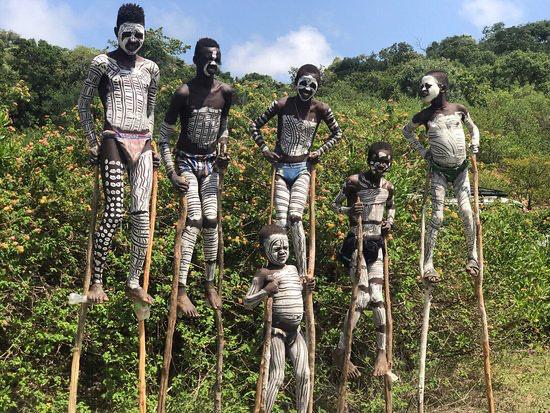
One of the tribe’s most remarkable traditions is stilt walking. Young boys learn to balance and walk on tall wooden stilts from an early age. This skill helps them move across marshy land, watch over grazing animals, see livestock hidden in tall grass and avoid dangerous snakes and wild animals. What may look like a performance to visitors remains a practical survival skill for the Banna.
The Banna also express their identity through colourful body art and handmade ornaments. Men and women decorate their faces and bodies with natural clay and mineral pigments. They wear beaded necklaces, bracelets and traditional clothing during festivals, dances and family ceremonies. These decorations reflect beauty, pride, age and social status.
Markets play a central role in Banna life. Every week, families gather at the busy markets in Key Afer and Dimeka. They sell crops, livestock, honey and handmade crafts while buying household goods and exchanging news. These markets also give neighbouring tribes the chance to meet, strengthen relationships and celebrate their shared heritage.
Despite the pressures of modern life, the Banna continue to protect their customs and way of life. Their traditions remind the world that culture does not only survive in museums. It lives through people who practise it every day. From their famous stilt walking to their colourful ceremonies, the Banna remain one of Ethiopia’s most fascinating indigenous communities.