
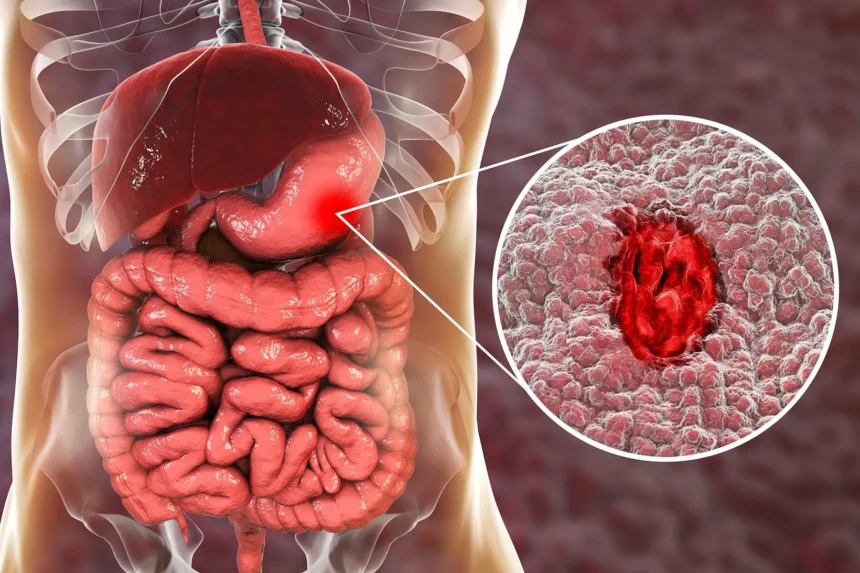
Stomach ulcers, also known as peptic ulcers, are more than just a cause of stomach pain. Health experts say the condition can lead to life-threatening complications, including severe internal bleeding, perforation of the stomach, and blockage of the digestive tract if left untreated.
Medical professionals are also warning against the widespread belief that ulcers are caused simply by hunger or spicy foods. According to experts, while certain foods may worsen symptoms, the main causes of peptic ulcers are infection with Helicobacter pylori (H. pylori) bacteria and prolonged use of non-steroidal anti-inflammatory drugs (NSAIDs) such as ibuprofen, aspirin, and diclofenac.
The warning follows growing concern over social media posts urging people with ulcers not to skip meals because the condition could become fatal. While doctors agree that regular meals can help reduce discomfort in some people, they emphasize that eating alone cannot cure an ulcer.
The World Health Organization (WHO) says H. pylori infection is one of the world’s most common bacterial infections and is closely linked to peptic ulcer disease and stomach cancer. The bacterium damages the protective lining of the stomach and upper small intestine, allowing stomach acid to create painful sores.
Similarly, the Mayo Clinic explains that peptic ulcers develop in the lining of the stomach or the first part of the small intestine, known as the duodenum. Symptoms often include burning stomach pain, bloating, nausea, heartburn, and a feeling of fullness after eating only small amounts of food.
According to the United States National Institute of Diabetes and Digestive and Kidney Diseases (NIDDK), untreated ulcers can cause serious complications such as:
Internal bleeding, which may lead to anemia or life-threatening blood loss.
Perforation, where the ulcer creates a hole in the stomach or intestinal wall, allowing bacteria to enter the abdomen and cause severe infection.
Gastric outlet obstruction, where swelling or scar tissue blocks food from leaving the stomach.
Increased risk of stomach cancer, especially in people infected with H. pylori.
Doctors note that one of the warning signs of severe bleeding is passing black, tarry stools or vomiting blood. In some cases, heavy bleeding can also result in fresh blood being passed through the rectum, particularly if bleeding is rapid and severe. However, medical experts clarify that rectal bleeding has many possible causes, including hemorrhoids, colorectal diseases, inflammatory bowel disease, and colorectal cancer. Therefore, anyone experiencing rectal bleeding should seek urgent medical evaluation rather than assume it is caused by an ulcer.
Consultant gastroenterologists advise that anyone with persistent stomach pain lasting more than a few weeks should undergo proper medical examination. Diagnosis may include blood tests, stool tests, breath tests for H. pylori, or an upper gastrointestinal endoscopy.
Treatment depends on the underlying cause. If H. pylori infection is confirmed, doctors usually prescribe antibiotics alongside medications known as proton pump inhibitors (PPIs), which reduce stomach acid and allow the ulcer to heal. Patients whose ulcers are linked to long-term painkiller use are often advised to stop those medications under medical supervision and begin acid-suppressing treatment.
Health experts also recommend lifestyle changes that support healing, including:
Eating balanced meals at regular intervals if this helps reduce symptoms.
Avoiding smoking, which delays ulcer healing.
Limiting alcohol consumption.
Avoiding unnecessary use of painkillers such as ibuprofen and aspirin unless prescribed.
Managing stress, which may worsen symptoms even though it does not directly cause ulcers.
Medical experts caution against relying solely on herbal remedies or self-medication, as these may delay diagnosis and increase the risk of complications.
The WHO and other health authorities stress that peptic ulcers are highly treatable when diagnosed early. Prompt medical attention, proper medication, and adherence to treatment significantly reduce the risk of serious complications and improve long-term recovery.
Doctors therefore urge anyone experiencing persistent stomach pain, unexplained weight loss, vomiting blood, black stools, severe abdominal pain, or rectal bleeding to seek immediate medical care instead of attributing the symptoms to poisoning or other misconceptions.
Sources: World Health Organization (WHO), United States National Institute of Diabetes and Digestive and Kidney Diseases (NIDDK), Mayo Clinic, and the American College of Gastroenterology.