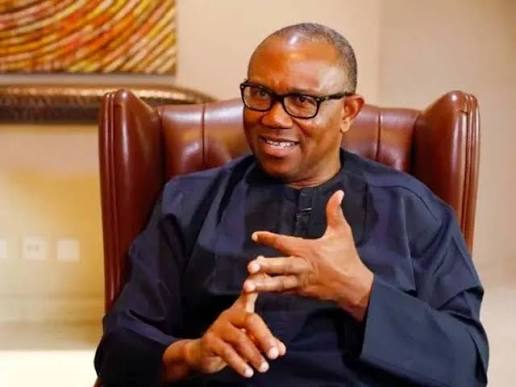
The National Democratic Congress, NDC candidate for the 2027 general election, Peter Obi, has unveiled a new agenda that places education and industrialisation at the centre of Nigeria’s development.
He said both sectors are critical to economic growth, job creation and national progress.
Speaking during a public engagement, Obi said Nigeria must invest more in its people. He argued that quality education and a strong industrial sector can transform the country’s economy. He also urged leaders to focus on long-term policies instead of short-term gains.
Education Must Come FirstObi described education as the foundation of national development. He said governments should treat spending on education as an investment, not an expense.
He called for more funding for public schools. He also urged authorities to improve classrooms, laboratories and learning materials. According to him, better facilities will help students perform at a higher level.
Obi stressed the need to train teachers regularly. He said well-trained teachers are essential to improving learning outcomes.
He also called for changes to the school curriculum. He said students should graduate with practical skills that match today’s job market. Digital literacy, vocational training and entrepreneurship should receive greater attention.
Obi said Nigeria must reduce its dependence on imported goods. Instead, he urged the country to increase local production and manufacturing.
He said industries need stable electricity, better roads and improved transport systems. Businesses also require access to affordable finance and clear government policies.
According to him, these measures will encourage investment and expand production. They will also help businesses create more jobs across the country.
Obi added that supporting small and medium-sized enterprises is vital. He said SMEs remain the backbone of many successful economies. Stronger support for these businesses will increase economic activity and improve household incomes.
Youth Development Remains a Priority
Obi said Nigeria’s young population is one of its greatest strengths. However, he warned that young people need quality education and relevant skills to reach their full potential.
He encouraged greater investment in vocational education and technology training. He also called for stronger partnerships between schools and private companies. Such partnerships, he said, will prepare graduates for available jobs.
Obi noted that innovation and entrepreneurship should become major drivers of economic growth. He believes young entrepreneurs can help diversify the economy if they receive the right support.
Obi urged governments to adopt policies that remain effective beyond election cycles. He said consistency is necessary for sustainable development.
He argued that education and industrialisation should remain national priorities regardless of political changes. According to him, sustained investment in both sectors will attract investors, increase productivity and improve living standards.
He concluded that Nigeria has the resources and talent to achieve rapid development. However, he said success depends on strong leadership, sound policies and continued investment in human capital and industry.
Speaking during a public engagement, Obi said Nigeria must invest more in its people. He argued that quality education and a strong industrial sector can transform the country’s economy. He also urged leaders to focus on long-term policies instead of short-term gains.
Education Must Come First
Obi described education as the foundation of national development. He said governments should treat spending on education as an investment, not an expense.
He called for more funding for public schools. He also urged authorities to improve classrooms, laboratories and learning materials. According to him, better facilities will help students perform at a higher level.
Obi stressed the need to train teachers regularly. He said well-trained teachers are essential to improving learning outcomes.
He also called for changes to the school curriculum. He said students should graduate with practical skills that match today’s job market. Digital literacy, vocational training and entrepreneurship should receive greater attention.
Obi said Nigeria must reduce its dependence on imported goods. Instead, he urged the country to increase local production and manufacturing.
He said industries need stable electricity, better roads and improved transport systems. Businesses also require access to affordable finance and clear government policies.
According to him, these measures will encourage investment and expand production. They will also help businesses create more jobs across the country.
Obi added that supporting small and medium-sized enterprises is vital. He said SMEs remain the backbone of many successful economies. Stronger support for these businesses will increase economic activity and improve household incomes.
Obi said Nigeria’s young population is one of its greatest strengths. However, he warned that young people need quality education and relevant skills to reach their full potential.
He encouraged greater investment in vocational education and technology training. He also called for stronger partnerships between schools and private companies. Such partnerships, he said, will prepare graduates for available jobs.
Obi noted that innovation and entrepreneurship should become major drivers of economic growth. He believes young entrepreneurs can help diversify the economy if they receive the right support.
Call for Consistent Policies
Obi urged governments to adopt policies that remain effective beyond election cycles. He said consistency is necessary for sustainable development.
He argued that education and industrialisation should remain national priorities regardless of political changes. According to him, sustained investment in both sectors will attract investors, increase productivity and improve living standards.
He concluded that Nigeria has the resources and talent to achieve rapid development. However, he said success depends on strong leadership, sound policies and continued investment in human capital and industry.
Former Labour Party presidential candidate, Peter Obi, has outlined a development agenda centred on education and industrialisation, describing both sectors as the foundation for Nigeria’s long-term economic growth, job creation and national prosperity.
Speaking during a public engagement, Obi stressed that no nation can achieve sustainable development without investing in quality education and building a strong industrial base capable of creating employment and boosting local production.
Education as the Foundation of Development
According to Obi, education should be viewed as a strategic investment rather than an expense. He argued that improving access to quality education, modernising learning facilities and equipping young Nigerians with practical and digital skills would enhance the country’s competitiveness in the global economy.
He called for increased investment in schools, teacher training, research and innovation, noting that countries that prioritise education consistently record stronger economic growth and higher standards of living.
Obi also advocated reforms that would align educational curricula with the needs of modern industries, ensuring graduates possess the technical and entrepreneurial skills required in today’s labour market.
Industrialisation to Drive Economic Growth
On industrialisation, Obi said Nigeria must shift from an import-dependent economy to one driven by manufacturing, agriculture, technology and value addition.
He emphasised the importance of creating an enabling environment for businesses through improved infrastructure, reliable electricity, access to finance and consistent government policies.
According to him, strengthening local industries would reduce unemployment, encourage entrepreneurship and increase the country’s export capacity while reducing dependence on imported goods.
He added that supporting small and medium-sized enterprises (SMEs) would be critical to expanding industrial output and stimulating inclusive economic growth.
Youth Empowerment and Innovation
Obi maintained that Nigeria’s youthful population represents one of its greatest assets if properly equipped with relevant knowledge and skills.
He advocated policies that encourage innovation, vocational education, digital literacy and entrepreneurship, saying such initiatives would prepare young people for emerging opportunities in technology, manufacturing and the creative economy.
He also urged greater collaboration between government, educational institutions and the private sector to ensure graduates meet industry demands.
Call for Long-Term Planning
Obi said Nigeria requires consistent, long-term policies that transcend political cycles, arguing that sustained investment in education and industrial development would strengthen the economy and improve living standards.
He called on policymakers at all levels to prioritise reforms capable of expanding productive capacity, attracting investment and creating sustainable employment opportunities for millions of Nigerians.
Observers note that education and industrialisation remain recurring themes in discussions on Nigeria’s economic transformation, with many stakeholders advocating greater investment in human capital, infrastructure and domestic production as essential drivers of inclusive growth.