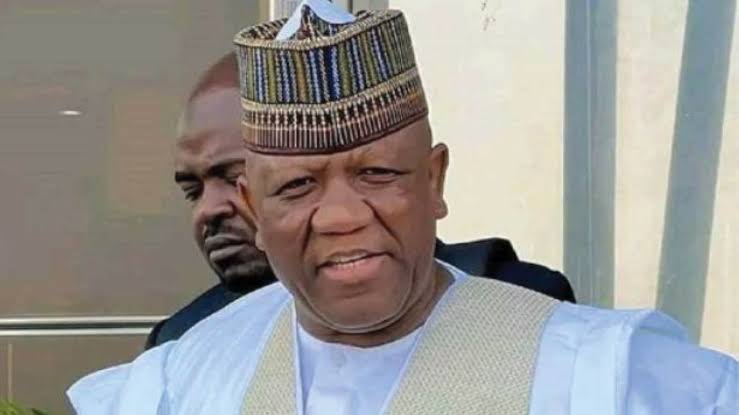
The Director-General of the All Progressives Congress (APC) 2027 Presidential Campaign, Senator Abdul’aziz Abubakar Yari, has dismissed promises by politicians to restore Nigeria’s fuel subsidy, describing such assurances as deceptive and unrealistic.
Yari made the statement while reacting to the growing debate over fuel subsidy ahead of the 2027 presidential election.
“Anybody who is deceiving Nigerians by saying that he is going to bring back the subsidy is lying to himself and lying to Nigerians,” Yari said.
The statement was shared on social media by Imran Muhammad and has since generated reactions amid renewed political arguments over the future of Nigeria’s petroleum subsidy regime.
The issue has become a major political talking point following renewed calls by some opposition figures for a review of the government’s decision to remove the petrol subsidy.
Fuel subsidy was removed by President Bola Ahmed Tinubu in May 2023 shortly after his inauguration, a policy that immediately triggered significant increases in petrol prices and transportation costs.
The Federal Government has consistently defended the decision, arguing that maintaining the subsidy placed an unsustainable financial burden on the government and diverted resources that could be invested in infrastructure and other areas of the economy.
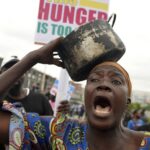
However, the policy has remained controversial, with critics arguing that its removal has contributed to the rising cost of living and placed additional pressure on households and businesses.
Yari’s latest comments therefore represent a clear position from the APC campaign ahead of the 2027 presidential election.
The statement is also significant because the subsidy question is increasingly becoming part of the emerging political contest between the ruling APC and opposition forces.
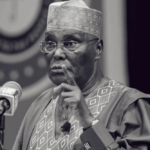
Former Vice President Atiku Abubakar, who is seeking the presidency on the platform of the African Democratic Congress (ADC), has recently made economic policy proposals that have attracted attention, including his position on fuel subsidy.
The disagreement over subsidy reflects a broader debate about how Nigeria should balance fiscal sustainability with the immediate economic welfare of citizens.
Supporters of subsidy removal maintain that government should stop spending scarce public resources on keeping petrol prices artificially low and instead invest the savings in sectors such as infrastructure, education, healthcare and social protection.
Opponents, however, argue that removing subsidy without adequate alternatives can worsen inflation, increase transportation costs and reduce the purchasing power of ordinary Nigerians.
From a political perspective, the controversy is likely to remain prominent as parties develop their economic messages ahead of 2027.
For voters, the central question may not simply be whether subsidy should return, but how presidential candidates intend to reduce the cost of living, stabilise energy prices, improve public transportation and protect vulnerable households.
Yari’s position suggests that the APC intends to challenge any campaign promise centred on restoring the subsidy, particularly if such promises are presented without a clear explanation of how the policy would be financed.
As the 2027 election approaches, the fuel subsidy debate is expected to remain one of the major economic policy issues capable of influencing voter sentiment and shaping the competing narratives of the ruling party and opposition candidates.