The Lagos State Government plans to increase electricity supply to more than 3,000 megawatts by March 2027. The initiative aims to reduce persistent blackouts and support businesses operating around the clock.
Governor Babajide Sanwo-Olu announced the target at the fourth Lagos Business School Africa Energy Conference in Lagos. Deputy Governor Kadri Hamzat represented him at the event.
Lagos currently receives less than 1,000 megawatts of electricity. However, the state plans to mobilise an additional 2,000 megawatts to meet its target.
The government intends to source the additional power through the national grid, independent power projects, energy hubs, power barges, energy traders and embedded generation.
These options are expected to expand electricity supply and improve reliability for residents and businesses.
The proposed expansion forms part of a seven-point action plan covering electricity generation, transmission, distribution, metering, gas supply and digital monitoring.
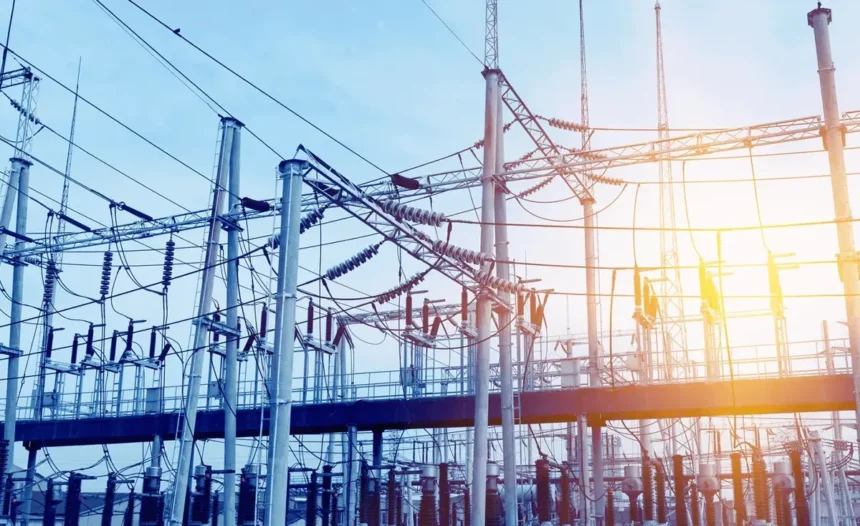
Sanwo-Olu said the government would strengthen transmission networks, upgrade substations and improve distribution feeders. These measures aim to improve electricity delivery across the state.
Furthermore, the government plans to expand metering to reduce estimated billing and improve transparency between electricity providers and consumers.
The state also plans to deploy digital technologies to improve electricity management.
These include Supervisory Control and Data Acquisition, known as SCADA, and Advanced Metering Infrastructure.
The technologies can help operators monitor electricity networks, identify faults and improve accountability. Consequently, better monitoring could support more efficient power distribution.
Lagos is also expanding its renewable energy initiatives. Sanwo-Olu disclosed that approximately 42,000 of the 50,000 streetlights earmarked for solarisation had been covered.
The state has also introduced solar projects in government-owned schools.
These projects form part of wider efforts to diversify energy sources and improve electricity access across public facilities.
The Lagos State Government is seeking greater private-sector participation in the electricity market. It plans to improve contractual arrangements and coordination among market operators and regulators.
However, achieving the 3,000MW target will require sustained investment, adequate infrastructure and reliable gas supplies.
For residents and businesses, the success of the plan will depend on whether increased supply translates into fewer blackouts and more dependable electricity.
If implemented successfully, the initiative could support industrial growth, create economic opportunities and improve the operating environment for businesses across Lagos.
The March 2027 deadline will therefore be an important test of the state’s electricity expansion strategy.