
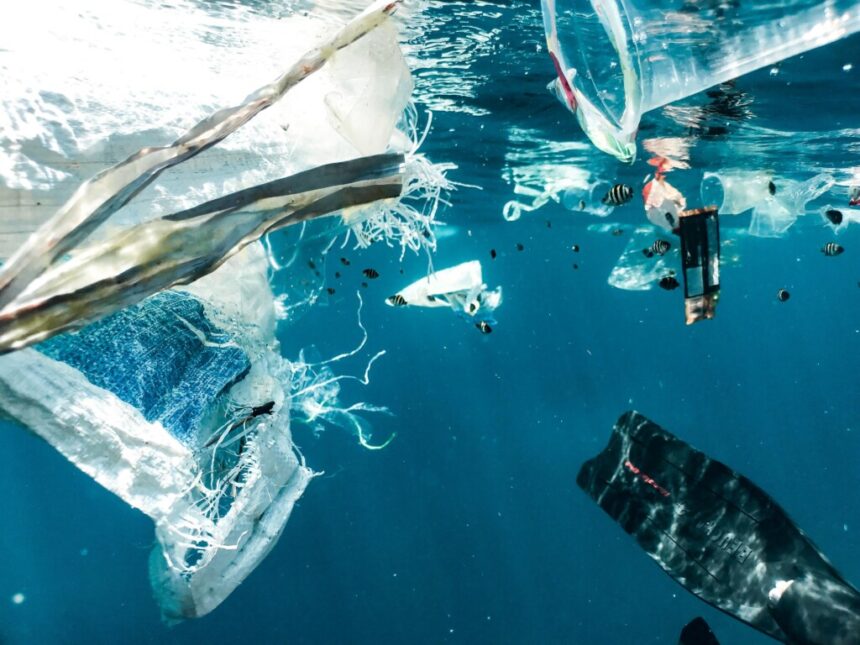
Plastic has become one of humanity’s greatest inventions,and one of its biggest environmental disasters, as every day, millions of plastic bottles, shopping bags, food wrappers, fishing nets, and other disposable items are discarded. Much of this waste eventually finds its way into rivers, lakes, and oceans, where it remains for centuries.
Scientists estimate that more than 170 trillion pieces of plastic are now floating in the world’s oceans. Every year, over 11 million metric tons of plastic enter marine waters, adding to an environmental crisis that affects wildlife, coastal communities, and even the food people eat.
What begins as a discarded plastic bottle on a street can end up thousands of kilometres away in the ocean, harming ecosystems that support life across the planet.
How Plastic Finds Its Way to the Ocean
Around 80% of ocean plastic originates on land. Poor waste management, overflowing landfills, littering, and inadequate recycling systems allow plastic waste to wash into storm drains and rivers during rainfall.
Rivers then act as conveyor belts, carrying plastic directly into the sea.
The remaining plastic comes from marine activities such as commercial fishing, shipping accidents, offshore industries, and illegal dumping. Lost fishing nets, ropes, and traps,often called “ghost gear”,continue trapping marine animals long after they have been abandoned.
Tiny plastic particles also contribute significantly to the problem. Synthetic fibres released during laundry and microplastics from cosmetics often pass through wastewater treatment plants before flowing into oceans.
An Ocean Filled With Plastic
Unlike paper or food waste, plastic does not biodegrade. Instead, it slowly breaks into smaller fragments known as microplastics, which measure less than five millimetres across.
These particles remain in the environment for decades or even centuries.
Scientists estimate that between 75 and 199 million metric tons of plastic are currently present in marine environments, while another 14 million metric tons are believed to rest on the ocean floor.
Ocean currents gather floating debris into enormous collections known as garbage patches. The largest, the Great Pacific Garbage Patch, covers an area roughly twice the size of Texas and contains an estimated 1.8 trillion pieces of plastic.
Yet these floating islands represent only part of the crisis. Much of the plastic eventually sinks, washes onto beaches, or breaks down into microscopic particles that become almost impossible to remove.
Marine Life Pays the Price
For marine animals, plastic is often deadly.
Sea turtles frequently mistake floating plastic bags for jellyfish, one of their favourite foods. Once swallowed, the plastic blocks their digestive system, causing starvation or internal injuries.
Seabirds, whales, dolphins, seals, and fish also consume plastic debris, believing it to be food. Many die with stomachs full of plastic despite suffering from severe malnutrition.
Scientists estimate that more than 700 marine species are affected by plastic pollution through ingestion or entanglement.
Discarded fishing nets, plastic rings, and ropes trap turtles, sharks, seabirds, and marine mammals. Animals caught in this debris often drown, suffocate, or lose the ability to hunt and reproduce.
Coral reefs also suffer as plastic smothers fragile habitats, blocks sunlight, and introduces harmful bacteria that increase coral disease.
The Invisible Threat of Microplastics
As sunlight, waves, and saltwater gradually break plastic apart, tiny fragments spread throughout the ocean.
These microplastics are consumed by plankton, shellfish, fish, and other marine organisms at the base of the food chain.
As larger predators eat smaller contaminated species, the plastic moves through the entire ecosystem in a process known as bioaccumulation.
Eventually, these particles reach human dinner plates through seafood.
Researchers have already detected microplastics in fish, oysters, shrimp, drinking water, table salt, and even human blood.
Although scientists continue studying the long-term health effects, growing evidence suggests that microplastics and the chemicals attached to them may contribute to hormone disruption, inflammation, reproductive problems, and other health concerns.
Plastic Pollution Is Fueling Climate Change
Plastic pollution does not only threaten marine life.
Most plastics are produced from fossil fuels. Throughout their production, transportation, and disposal, they generate significant greenhouse gas emissions.
Even after reaching the ocean, plastics continue releasing gases such as methane and ethylene as they degrade under sunlight.
These emissions contribute to global warming while worsening ocean acidification, placing additional stress on already vulnerable marine ecosystems.
The Economic Cost
The impact extends beyond the environment.
Plastic pollution damages fisheries, reduces tourism, increases cleanup costs, and threatens the livelihoods of millions of people who depend on healthy oceans.
Communities that rely on fishing face declining catches as marine habitats deteriorate, while beaches covered in plastic discourage tourism and require expensive cleanup operations.
Developing countries often bear the greatest burden because they lack adequate waste management infrastructure despite contributing less to global plastic production.
What Can Be Done?
Experts agree that solving the crisis requires action from governments, businesses, and individuals.
Reducing single-use plastics, improving waste collection and recycling systems, supporting biodegradable alternatives, enforcing stronger regulations on plastic production, and preventing litter from entering waterways are all essential steps.
Consumers also have an important role by choosing reusable bags, bottles, and containers, properly disposing of waste, participating in community cleanups, and supporting organisations working to remove plastic from rivers and oceans.
A Race Against Time
The ocean produces more than half of the oxygen humans breathe, regulates Earth’s climate, and provides food and livelihoods for billions of people.
Yet every minute, the equivalent of a truckload of plastic enters the sea.
Without urgent action, scientists warn that plastic pollution could continue increasing for decades, placing even greater pressure on marine ecosystems already struggling with climate change, overfishing, and habitat destruction.
The fight against ocean plastic is no longer just about protecting sea turtles or keeping beaches clean. It is about protecting the health of the planet,and ultimately, our own future.