
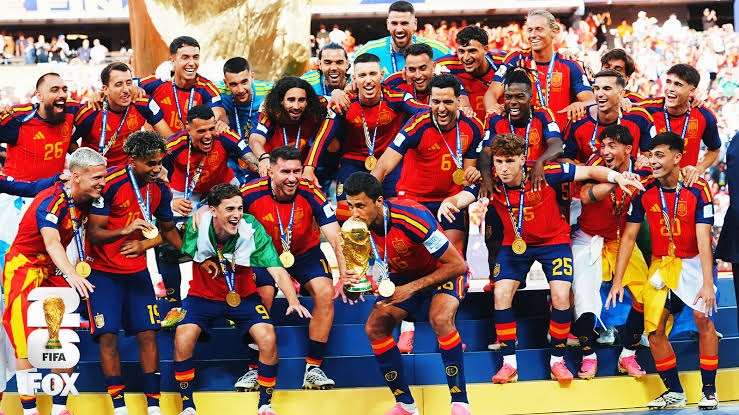
Winning the FIFA World Cup is every football nation’s dream as the triumph brings glory, global recognition and millions of dollars in prize money, however, Spain’s 2026 FIFA World Cup success has also come with an unexpected price tag, a potential $15 million tax bill from the United States.
The Spanish national team lifted the trophy on American soil and earned a $50 million winner’s prize from FIFA. Yet, because the tournament took place in the United States, American tax laws now apply to part of those earnings.
Why Spain Must Pay US Taxes
Unlike some previous World Cups, the United States did not grant special tax exemptions to participating football associations for the 2026 tournament. As a result, foreign players, coaches and team officials fall under the country’s tax rules for non-resident athletes.
Under the so-called “jock tax,” foreign athletes who earn money while performing in the United States can face a 30% federal withholding tax. Based on Spain’s $50 million winner’s prize, that could amount to $15 million in federal taxes alone.
The final amount could increase if state taxes apply. Since Spain played matches in different states, authorities may also calculate taxes based on where the team competed. States such as California and New Jersey have their own tax rules that could further reduce the team’s earnings.
A Record Prize, But Less Money to Keep
Spain’s World Cup success earned more than just the winner’s cheque. The Royal Spanish Football Federation (RFEF) reportedly received over $63 million after combining participation payments, group-stage rewards and knockout-stage bonuses.
However, the tax deductions could significantly reduce the amount available for distribution.
Reports suggest that about 45% of the winner’s prize, roughly $22.5 million, has been set aside for player bonuses. That means each member of the squad could receive an average gross bonus of around $865,000 before taxes and other deductions.
Although those figures remain substantial, taxation means players and officials may ultimately take home far less than many fans imagine.
The “Jock Tax” Explained
The term “jock tax” refers to taxes imposed on athletes and entertainers who earn income while working outside their home country or state. Governments argue that because athletes generate income within their borders, they should contribute to local tax systems just like residents and businesses.
The United States has long applied this principle to foreign athletes competing in professional sports, including tennis, golf, basketball and football.
For major international tournaments, host countries sometimes negotiate tax exemptions to encourage participation and simplify financial arrangements. In this case, no blanket exemption reportedly applied to participating football associations.
Spain Does Not Owe Taxes as a Country
The tax issue has created confusion online, with some claiming that Spain, as a nation, must pay taxes to the United States.
That is not the case.
The tax liability relates to income earned by the Spanish football federation, players and team officials while participating in the tournament. It does not mean the Kingdom of Spain pays taxes to the US government.
Outside football, financial relations between the two countries operate under the US-Spain Double Taxation Treaty, which helps prevent the same income from being taxed twice under normal business and investment arrangements.
A New Financial Reality for Global Sports
The situation highlights how hosting global sporting events involves more than stadiums, fans and television audiences. Tax policies can influence how much prize money athletes and national associations actually keep.
As international tournaments continue to grow in value, governments and sporting bodies may face increasing pressure to negotiate tax agreements before competitions begin.
Spain may have conquered the football world in 2026, but its World Cup celebration also serves as a reminder that, even in sport, victory often comes with a financial cost.