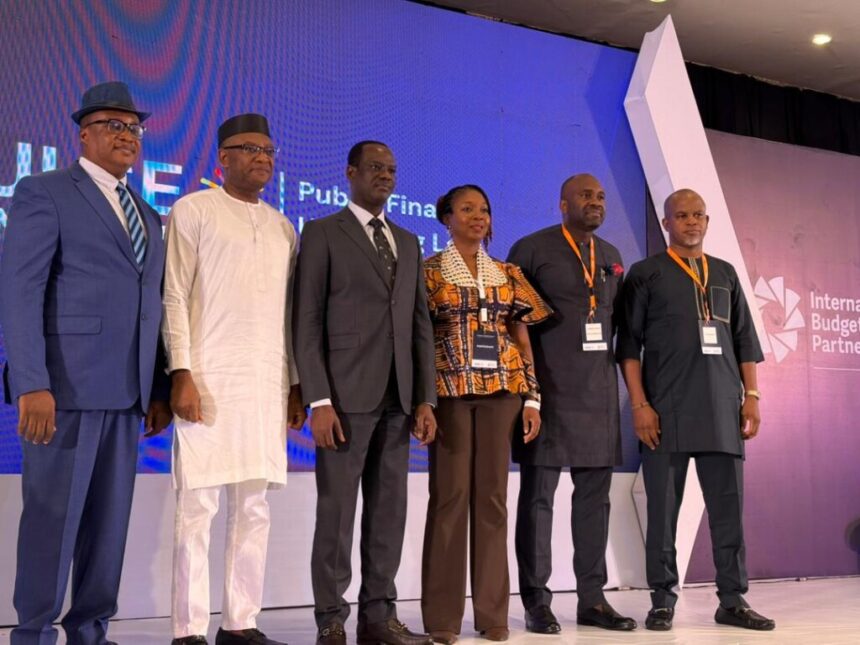
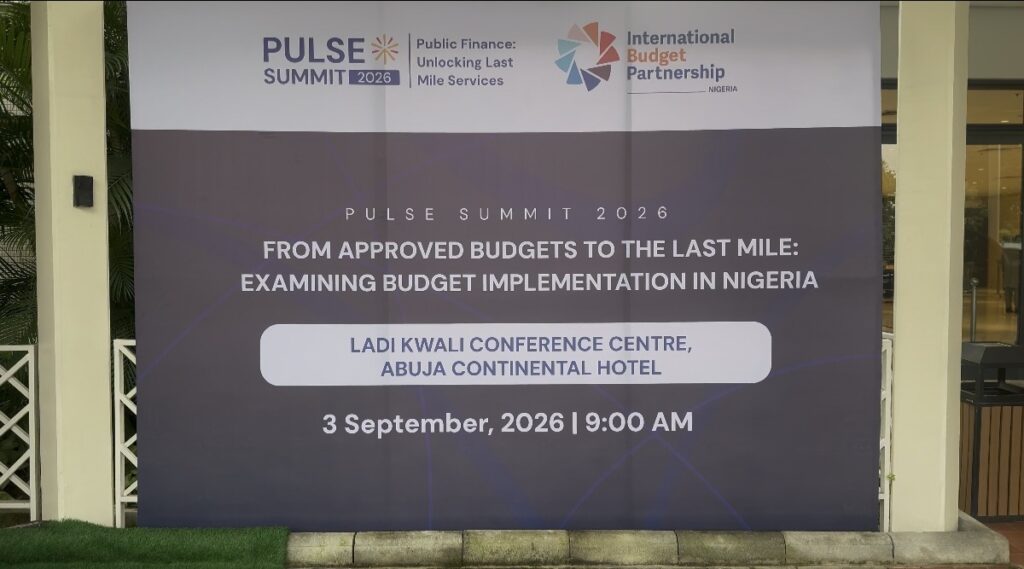
Budget approval is only the starting line, not the finish line, for effective governance in Nigeria. That was the central message at the PULSE Summit 2026, held in Abuja on September 3, where development experts called for an urgent reform in how public finances are planned, released, and tracked.
“Approval is not the same as release,” Dr. Abbah emphasized, stressing that in a functioning administrative system, the two must be seamlessly linked.
Dr. Abbah pushed back on the narrative that public finance failures stem entirely from corruption, arguing that poor project preparation and weak planning are equally responsible for dead end projects. To fix this, he urged policymakers to adopt a bottom up approach to governance.
“He who wears the shoe knows where it pinches,” he said, advocating for direct engagement with affected communities to identify actual needs before designing budgets. However, he maintained that once criminal diversion occurs, swift legal action and consequences must follow to enforce accountability.
Ultimately, Dr. Abbah noted, public budgets must move beyond meeting boardrooms to deliver tangible impact where citizens need them most, in local classrooms, primary healthcare centers, and grassroots communities,
echoing these sentiments, Yinka Babalola, Country Director for the International Budget Partnership, explained that the PULSE initiative stands for “Public Finance: Unlocking Last Mile Services.” She stressed that national plans and budgets must directly translate into visible improvements in everyday life for all Nigerians.
As public finance discussions continue, stakeholders agree that true budget performance should no longer be measured by the size of figures announced in parliament, but by the visible transformation delivered to the public.