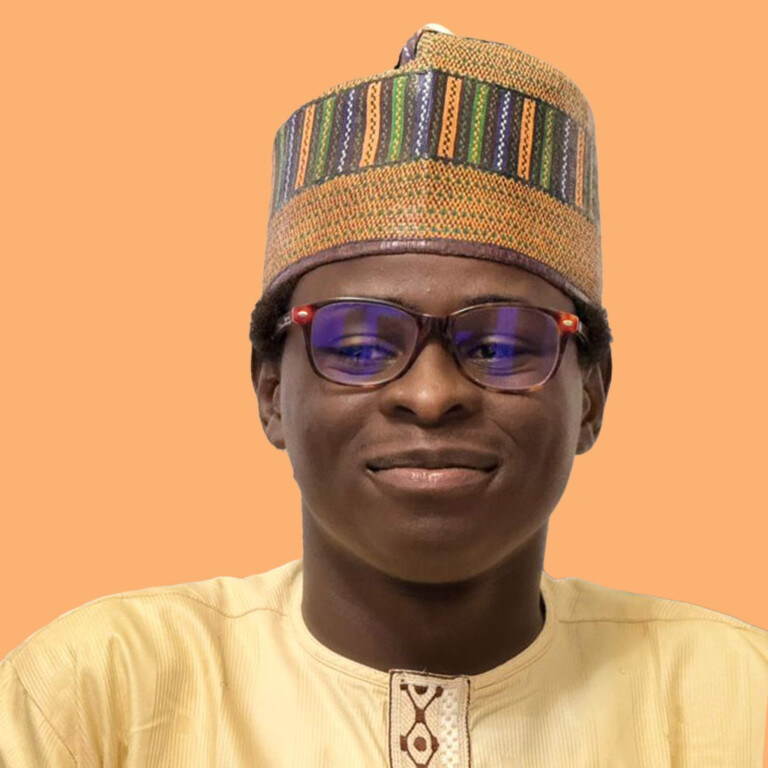
Associate Professor Babayo Sule of the University of Namibia has questioned the culture of lavish celebrations among Nigerian politicians, calling for greater accountability, transparency and sensitivity to the economic realities facing ordinary citizens.
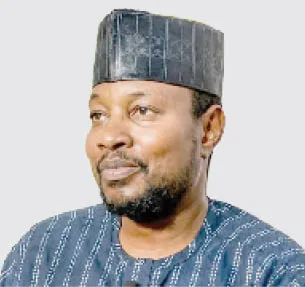
Sule, an expert in international relations and political economy with research interests in Nigerian electoral systems, party politics and security studies, made the remarks while commenting on the birthday celebration of Abubakar Bichi, Chairman of the House of Representatives Committee on Appropriation, who recently turned 45.
The celebration attracted widespread congratulatory messages and newspaper advertisements from political associates and colleagues, with some supporters attributing the show of support to projects and interventions associated with the lawmaker’s constituency.
However, Sule described the scale of the celebration as extravagant, particularly given the widespread poverty affecting Nigerians, including residents of the constituency Bichi represents.
He said the public display of political loyalty raised broader questions about political influence, patronage and the priorities of elected officials.
According to him, the issue extends beyond an individual politician to the wider political culture in which public office holders receive extensive public praise while many citizens struggle to afford basic necessities.
Sule, however, acknowledged some interventions attributed to Bichi, particularly those directed at education and human development.
He cited a report published in June 2026 indicating that the lawmaker paid approximately ₦40 million in tuition or registration fees for 2,423 students at the Federal College of Education (Technical), Bichi, for the first semester of the 2025/2026 academic session.
He described such support for education as a more meaningful intervention because of its direct contribution to human capital development.
Reports have also associated Bichi with housing projects, school improvements, road construction, skills acquisition centres, an e-library and a mini stadium in Bichi.
Sule Opposes Constituency Project System
The university don questioned the constituency project system, arguing that responsibility for executing development projects should primarily rest with the executive arm of government.
He maintained that the legislature should concentrate on lawmaking, representation, oversight and other constitutional responsibilities, while the executive implements approved development programmes.
Although constituency projects are incorporated into Nigeria’s budgetary process, Sule argued that clearer boundaries between the responsibilities of the three arms of government would strengthen accountability.
He referenced concerns previously raised by former presidents Olusegun Obasanjo, Goodluck Jonathan and Muhammadu Buhari about constituency projects and the management of public resources.
Sule also criticised projects that are poorly equipped or fail to deliver meaningful benefits, arguing that infrastructure investments should be assessed by their actual impact on citizens.
Appropriation Committee Chairmanship and Political Influence
Explaining Bichi’s political prominence, Sule pointed to his previous position as Chairman of the House Committee on Works from 2019 to 2023 and his subsequent leadership of the Appropriation Committee.
He said the experience gained from overseeing infrastructure-related matters and the influence associated with the federal budget process could help explain the projects and political relationships linked to the lawmaker.
According to Sule, the Appropriation Committee plays a central role in scrutinising proposed government expenditure, examining allocations to ministries, departments and agencies, and recommending changes during the legislative consideration of the federal budget.
He noted that the position provides opportunities for negotiations with government institutions, engagement with fellow lawmakers and advocacy for projects relevant to constituencies.
However, he stressed that the extent of an individual chairman’s influence depends on the wider legislative process, the positions of other lawmakers and proposals submitted by the executive.
Sule said the authority attached to the office makes transparency particularly important because budgetary decisions directly affect public services, infrastructure and the distribution of national resources.
Budget Transparency and Public Accountability
The political scientist also highlighted previous controversies surrounding Nigeria’s budget process, including the 2016 budget-padding allegations raised by former House Appropriation Committee Chairman Abdulmumin Jibrin.
He argued that such controversies reinforce the need for clear procedures, documented decisions and public access to information about how government expenditure is determined.
According to him, citizens should be able to understand the rationale behind significant budgetary allocations and whether the decisions reflect national development priorities.
He added that allegations of budget manipulation, bribery or improper influence should be investigated through appropriate legal channels rather than treated as established facts without evidence.
Calls for Stronger Anti-Corruption Enforcement
Sule urged the Economic and Financial Crimes Commission (EFCC), Independent Corrupt Practices and Other Related Offences Commission (ICPC) and Code of Conduct Bureau to strengthen the enforcement of existing laws governing public officials.
He said the relevant institutions should verify asset declarations, investigate credible allegations of unexplained wealth and examine whether public funds allocated to constituency projects were properly utilised.
He emphasised that investigations must be impartial, evidence-based and consistent with due process, noting that extravagant lifestyles alone do not establish wrongdoing.
Sule also called for greater institutional independence for anti-corruption agencies, arguing that political influence should not prevent investigations into credible allegations involving powerful public officials.
Citizens, Media Urged to Sustain Scrutiny
The don urged civil society organisations, including the Centre for Democracy and Development, BudgIT and the Socio-Economic Rights and Accountability Project, to make accountability findings more accessible to the public.
He advocated translating reports into major Nigerian languages, including Hausa, Fulfulde, Igbo and Yoruba, and disseminating findings through short videos, audio content and mainstream media platforms.
According to him, making accountability information accessible would enable more citizens to understand public expenditure and question their representatives effectively.
He also called on Nigerians to monitor elected officials beyond election periods, stressing that democratic accountability should involve continuous engagement rather than criticism limited to moments of controversy.
Sule maintained that public officials should be prepared to explain their decisions, demonstrate responsible stewardship of public resources and remain mindful of the economic difficulties facing their constituents.
He said the central issue was not whether politicians could celebrate personal milestones or enjoy legitimately acquired wealth, but whether their conduct reflected transparency, lawful earnings and a commitment to public service.