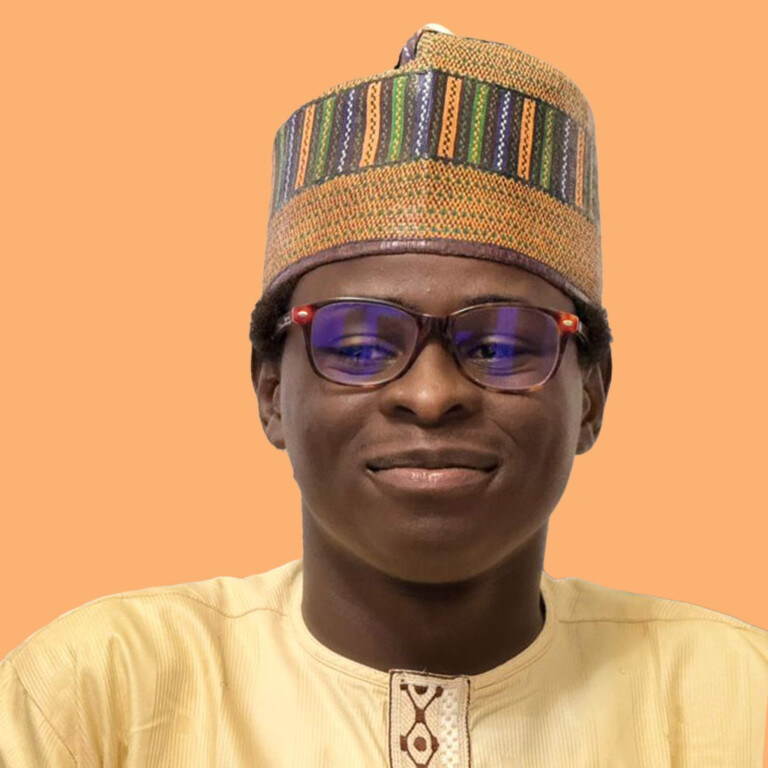
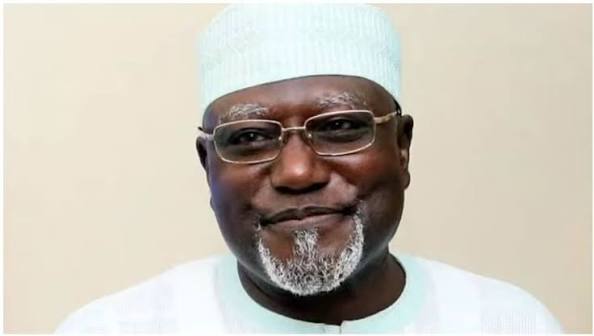
Former Director-General of the Department of State Services (DSS), Lawal Daura, has blamed some members of the administration of former President Muhammadu Buhari for failing to justify the trust placed in them.
Daura said Buhari’s government suffered partly because the former president appointed people based on personal relationships and trust without sufficiently considering their competence and suitability for the positions they occupied.
He made the remarks during an interview on Channels Television’s Politics Today, aired on Monday.
Buhari governed Nigeria from 2015 to 2023, a period marked by persistent challenges including insecurity, economic hardship and unemployment. While the administration faced criticism over its handling of these issues, its supporters pointed to several reforms and policies introduced during the period.
According to Daura, Buhari surrounded himself with people he trusted, but some of those individuals eventually betrayed the confidence placed in them.
The former intelligence chief said he was aware of the activities of some of the individuals he described as sycophants and claimed to know “the details of what they have done.”
Daura, however, rejected claims that he was part of a powerful cabal that controlled access to Buhari and influenced major decisions within the government.
“No, there is no cabal,” he said.
He explained that his close proximity to Buhari was a result of the responsibilities attached to his position as Director-General of the DSS and not because he belonged to an informal power structure.
“Even if there was a cabal, the intelligence chief of a country can never be part of a cabal because the schedule I handled made it necessary for me to be close to the president at all times,” Daura said.
The former DSS boss also defended Buhari against claims that his administration represented one of the worst periods in Nigeria’s political history.
He challenged critics to assess Buhari’s tenure within the broader political history of the country.
“Yes, they can say it, but I also want them, the real students of history, to go back from 1995 to 2023, when he exited, and find out which were the worst years. I wasn’t part of the government then,” he said.
Daura, who is now the vice-presidential candidate of the Allied Peoples Movement, said he remained loyal to Buhari throughout his tenure as DSS director-general and believed he played a role in protecting the administration.
“And that will show you that I stood by him and I protected that government. Everything started to give way after 2018 since I left office,” he said.
He clarified that the failure of those around Buhari was not necessarily because they deliberately misdirected the former president, but because some people entrusted with important responsibilities failed to meet the expectations associated with those positions.
Daura therefore urged future political leaders to separate personal loyalty and relationships from competence when making appointments.
According to him, knowing and trusting someone should not automatically qualify the person for a sensitive government position.
He said leaders must consider an individual’s competence, character, capacity and suitability before assigning public responsibilities.
“And even if you are to do that, you must also weigh the quality of that person and then maybe place him in an office that befits him or is proportionate to maybe the level of trust you have in that person,” he said.
“But in that situation, an unfortunate situation, I would say, it so happened that people were just, you know, trusted,” Daura added.