


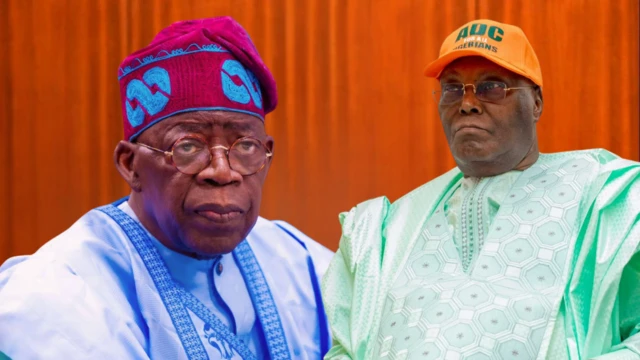
Northern Nigeria is emerging as a major battleground ahead of Nigeria’s 2027 presidential election. President Bola Tinubu faces the challenge of retaining support in a region that contributed significantly to his victory in 2023.
A political analysis published on October 19 highlights the North’s electoral influence. It examines how economic hardship, insecurity, political defections and opposition alliances could reshape the contest.
With millions of registered voters across the region, the North could play a decisive role in determining the next president.
President Tinubu secured substantial support across Northern Nigeria during the 2023 presidential election. However, political conditions have changed since he took office.
Rising living costs, security challenges and concerns about government performance could influence voters’ decisions in 2027.
The All Progressives Congress (APC) is relying on its political structures, incumbent governors and established alliances to strengthen its position. Nevertheless, endorsements from political leaders may not automatically translate into votes.
Voters will also assess the administration’s record, particularly its response to insecurity and economic pressures.
Former Vice-President Atiku Abubakar remains an important opposition figure with an established political following across Northern Nigeria.
Meanwhile, the reported alliance between Peter Obi and Rabiu Kwankwaso could introduce another challenge for the ruling party. Kwankwaso’s political influence in Kano may prove significant, while Obi has previously attracted considerable support among voters seeking political change.
However, opposition parties must turn their individual support bases into an effective national coalition.
Their ability to coordinate campaigns and mobilise voters could affect the balance of power in competitive states.
Beyond party politics, voters’ everyday experiences could influence the election.
Communities affected by banditry, insurgency and displacement will assess the government’s security response. Farmers and traders may also consider how insecurity affects their livelihoods.
Economic conditions will remain another important factor. Household purchasing power, employment opportunities and the cost of essential goods could shape public attitudes towards the incumbent government.
Consequently, political campaigns that address these concerns with credible plans may gain greater attention from voters.
Although Northern Nigeria carries substantial electoral weight, winning the region alone cannot guarantee the presidency.
Candidates must build support across the country and satisfy the constitutional requirements for winning a presidential election.
The outcome will also depend on voter turnout, party organisation, campaign strategies and how effectively candidates attract undecided voters.
Political endorsements and defections may influence the contest, but they cannot reliably predict how citizens will vote.
The 2027 presidential election will test Tinubu’s ability to maintain the coalition that helped him win in 2023.
Atiku will seek to convert his northern support into a stronger national challenge, while the Obi-Kwankwaso alliance will attempt to unite different voter groups.
Ultimately, Northern Nigeria is likely to remain central to the presidential contest. However, the election’s outcome will depend on voter choices across all regions, not political calculations in the North alone.
The key question is whether Tinubu can defend his record and rebuild support, or whether opposition parties can turn public dissatisfaction into a winning national coalition.