

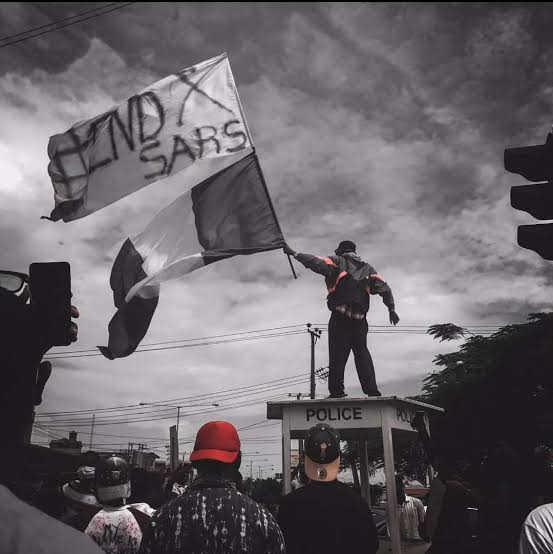
In 2020, Nigeria witnessed one of the most significant youth-led protest movements in its history. What began as a campaign against police brutality quickly grew into a nationwide demand for accountability, justice and good governance.
The protests were driven by growing frustration with the activities of the now-defunct Special Anti-Robbery Squad (SARS), a unit of the Nigeria Police Force that had faced years of allegations of harassment, extortion, unlawful arrests and abuse of power.
However, the demands soon extended beyond policing. Young Nigerians also spoke out against corruption, unemployment, poverty, inflation and other challenges they believed reflected deeper problems with governance.
From Lagos to Abuja, Enugu to Port Harcourt, Nigerians took to the streets to demand change. The movement attracted people from different backgrounds, united by calls for justice, dignity and police reform.
As Nigeria marks the sixth anniversary of the #EndSARS protests, here are eight defining moments that captured the movement’s scale, spirit and lasting impact.
1. The Lekki Toll Gate Shooting
The events at the Lekki Toll Gate in Lagos on October 20, 2020, became one of the most painful and controversial moments of the #EndSARS movement.
That evening, protesters who had gathered at the toll gate were confronted by Nigerian Army personnel. Videos circulated online showed soldiers firing in the direction of demonstrators, many of whom had been waving Nigerian flags and singing the national anthem.
The footage sparked widespread outrage in Nigeria and abroad. It also intensified calls for an independent investigation into what happened that night, including questions about casualties and the conduct of security personnel.
The incident became widely known as the Lekki Massacre, a name that reflected the anger and grief surrounding the shooting. Although Lagos State and Federal Government officials disputed accounts of a massacre and denied that soldiers killed protesters at the toll gate, the incident remained a defining moment in the country’s recent history.
For many Nigerians, the images from Lekki became a powerful symbol of the risks faced by citizens demanding accountability from those in power.
2. The Protests Spread Across Nigeria

Demonstrations spread to Abuja, Oyo, Rivers, Delta, Plateau, Kaduna and more than 20 other states, drawing thousands of Nigerians into the streets. Protesters carried placards, chanted slogans and called for an end to police brutality and systemic injustice.
The movement also gained support from Nigerians living abroad, who organised demonstrations and used social media to draw international attention to the protests at home.
Although the demonstrations took different forms across the country, their central message remained consistent: Nigerians wanted a police force that protected citizens rather than abused its powers.
The nationwide turnout demonstrated the depth of public frustration and showed how quickly a shared demand could unite people across geographical and social boundaries.
3. Nigerians Unite Beyond Ethnic and Religious Differences

People from different ethnic, religious and social backgrounds came together to support a common cause. Volunteers helped organise protest locations, distribute supplies and provide assistance to people who spent long hours on the streets.
Food, water and medical supplies became essential parts of the demonstrations. Some supporters also helped protesters with transportation, while others contributed money and resources to sustain the movement.
These acts of generosity showed that the protests were not driven by anger alone. They also reflected a strong sense of collective responsibility among people who believed they were fighting for a better country.
For many participants, the movement offered a rare experience of national unity, with people looking beyond their differences to support one another.
4. Celebrities Take the Protest to the Streets

Musicians and celebrities, including Falz, Runtown, Timi Dakolo, Vector and DJ Switch, were among the entertainers associated with the protests. Their involvement helped attract attention to the demonstrations and encouraged conversations about police brutality and accountability.
In Lagos, music also became part of the protest atmosphere. Performances and appearances by entertainers provided moments of relief and encouragement for demonstrators who spent hours under the sun.
Their participation showed how the movement extended beyond political activism. It became a cultural moment that brought together music, social media, entertainment and civic engagement.
For many young Nigerians, the presence of familiar public figures reinforced the message that the demand for change was not limited to one group or profession.
5. Aisha Yesufu’s Raised Fist Becomes a Symbol of Defiance
 Among the images that emerged from the protests, one of the most memorable featured activist Aisha Yesufu standing with her fist raised.
The image captured her defiance and determination amid the growing tension surrounding the demonstrations. It quickly spread across social media, becoming one of the most recognisable visuals associated with the movement.
Yesufu’s stance resonated with many Nigerians who viewed it as an expression of courage in the face of intimidation. The image also reflected the broader spirit of young people who were prepared to speak out against what they considered injustice.
Beyond its immediate impact, the photograph became a visual reminder of the role individuals played in giving the movement a recognisable identity.
At a time when social media was central to organising and documenting the protests, such images helped communicate the movement’s message far beyond the streets where the demonstrations took place.
6. Social Media Becomes a Powerful Tool for Mobilisation

Platforms such as Twitter and Instagram helped protesters share information, coordinate activities and circulate videos from demonstration sites. Hashtags connected people across different cities and countries, allowing local protests to become part of a much larger national conversation.
Online supporters also used their platforms to highlight allegations of police misconduct, share updates and mobilise resources for protesters. Videos and photographs brought events on the ground to a wider audience, including international media organisations and human rights advocates.
The online campaign showed how digital platforms could support civic participation, especially among young people who wanted their concerns heard.
However, the same rapid spread of information also made verification important. As videos and claims circulated, separating confirmed details from disputed accounts became a challenge.
Despite this, social media remained central to the movement’s reach and helped turn #EndSARS into a globally recognised campaign.
7. State Governments Impose Curfews as Tensions Rise

Lagos, Rivers and Edo were among the states that announced curfew measures during the period. The restrictions came amid rising tensions, reports of violence and concerns about public safety.
However, the situation became increasingly volatile in some areas. Clashes involving protesters, suspected thugs and security operatives were reported, while incidents of looting and destruction further complicated the response to the demonstrations.
The curfews also raised concerns about the safety of people caught in affected areas and the challenges of managing public demonstrations during a period of heightened tension.
What had begun as a campaign against police brutality was now unfolding against a wider backdrop of unrest, with questions about security, government accountability and citizens’ right to protest becoming even more urgent.
8. The Movement Leaves a Lasting Mark on Nigeria

The protests brought renewed attention to longstanding allegations of police abuse and strengthened demands for accountability and reform. They also demonstrated the ability of young Nigerians to mobilise on a large scale around issues affecting their lives.
For many participants, the movement became a turning point in their relationship with civic engagement. It showed that young people could organise beyond traditional political structures and use digital platforms to amplify their concerns.
Yet, the questions that fuelled the protests have not disappeared from public debate. Issues surrounding police conduct, economic hardship, unemployment and trust in public institutions continue to influence conversations about Nigeria’s future.
Six years on, #EndSARS remains more than a hashtag or a series of demonstrations. It represents a period when Nigerians came together to demand a country where dignity, justice and accountability would not be privileges, but expectations.
The memories of the protests, particularly the events at the Lekki Toll Gate, continue to evoke grief, anger and reflection. For many Nigerians, remembering #EndSARS is also a reminder of the people who took to the streets believing that their voices could help change the nation.
Editorial note: Your original draft identifies eight moments but provides details for only some of them. I have expanded the story into eight sections, with the final sections covering social media mobilisation and the movement’s lasting impact. Please verify the historical details and any accompanying images before publication.