
The G100 coalition says opposition leaders seeking to field a consensus presidential candidate against President Bola Ahmed Tinubu in the 2027 general electionare making significant progress.
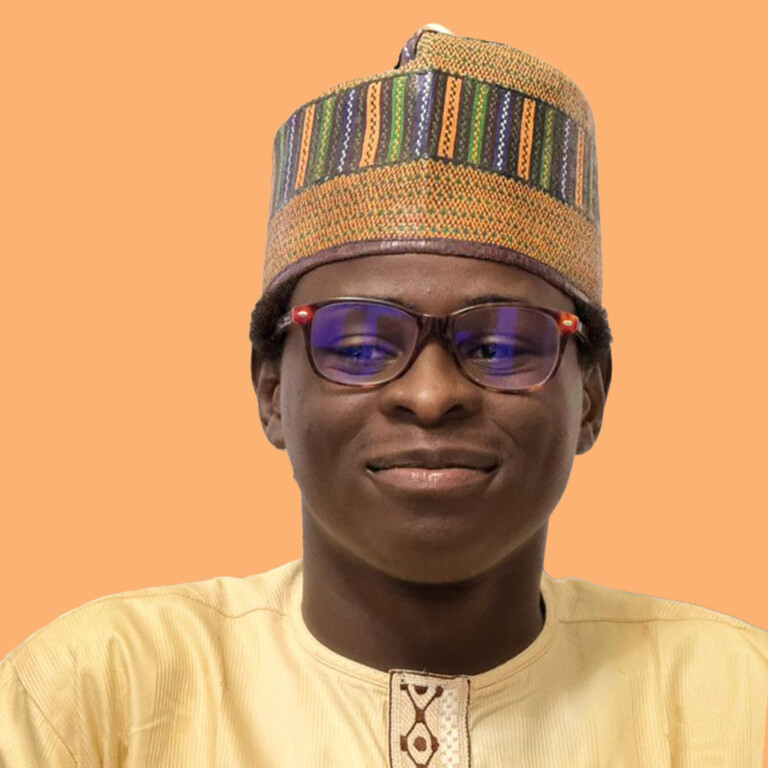
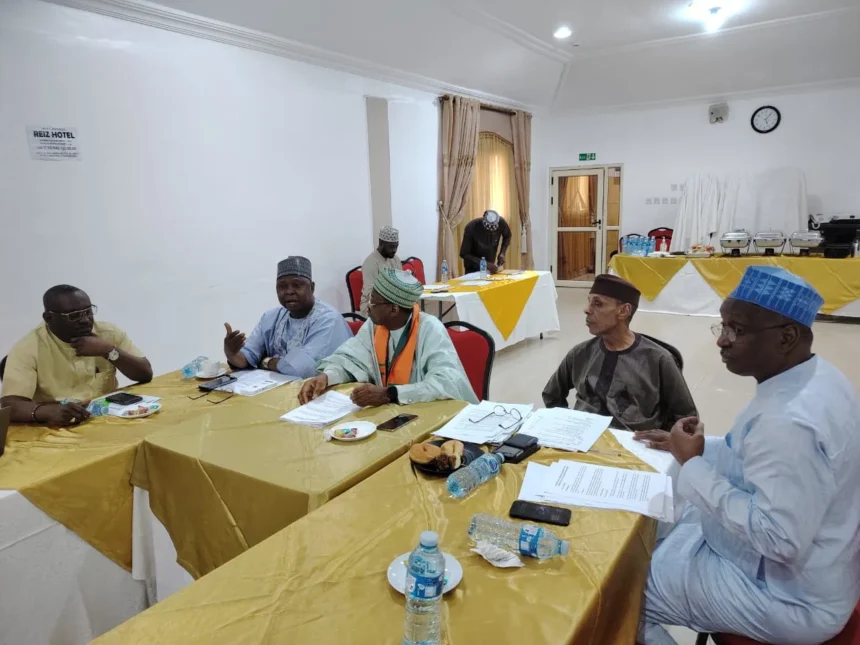
The National Chairman of the Social Democratic Party (SDP), Professor Sadiq Umar Abubakar Gombe, disclosed this on Wednesday in Abuja during the inauguration of the coalition’s legal and media committees.
Gombe said the coalition had engaged leaders of participating political parties and presidential hopefuls to secure their commitment to a common candidate capable of challenging the ruling All Progressives Congress (APC).
Among the opposition figures being considered for the proposed alliance are former Vice-President Atiku Abubakar, former Anambra State Governor Peter Obi and former Cross River State Governor Donald Duke, alongside other political leaders.
“Our ambition is to present a candidate that can defeat APC and form the next government. And we’re making very good progress,” Gombe said.
The G100 coalition comprises the African Democratic Congress (ADC), Nigeria Democratic Congress (NDC), Peoples Redemption Party (PRP), Social Democratic Party (SDP), Peoples Democratic Party (PDP) and Allied Peoples Movement (APM).
National chairmen and representatives of some participating parties attended the meeting, where the legal and media committees were inaugurated to provide a formal structure for the negotiations and coordinate the coalition’s activities.
According to Gombe, responses from participating parties and presidential hopefuls have encouraged the coalition, with outstanding issues expected to be resolved before the 2027 general election.
He described the inauguration of the committees as a transition from preliminary political discussions to a more structured process aimed at building a united opposition platform.
“Today, we take a deliberate step from intention to structure. The work of this coalition will be judged not only by the strength of our convictions, but by the discipline, precision and unity with which we carry it out,” he said.
Although the coalition has yet to announce a formula for selecting its presidential candidate, the negotiations are expected to address how participating parties and aspirants will agree on a common flag bearer and sustain their alliance.
The legal committee, comprising national legal advisers and other senior legal representatives of the participating parties, will examine legal issues affecting the coalition’s activities and agreements.
Its responsibilities include reviewing working-group documents and negotiated agreements, identifying potential legal risks, recommending safeguards and establishing mechanisms for resolving disputes before the coalition adopts any agreement.
The committee will also examine actions by the Independent National Electoral Commission (INEC) in relation to relevant Supreme Court judgments.
Gombe cautioned members against overlooking legal issues that could undermine the negotiations.
“We cannot afford surprises. A single overlooked clause can undo months of honest negotiation,” he said, urging committee members to demonstrate thoroughness, candour and independent judgment.
Meanwhile, the media and publicity committee will coordinate the coalition’s public communication, joint media engagements and official announcements.
The committee, comprising national publicity secretaries and spokespersons of the participating parties’ presidential campaign councils, will establish procedures for approving joint statements, ensure consistency in public messaging and consult the legal committee on sensitive constitutional and legal matters.
Beyond the negotiations, Gombe said the coalition was responding to concerns over Nigeria’s economic and security challenges.
He identified persistent insecurity, rising living costs, unemployment and declining purchasing power as major issues confronting Nigerians, stressing the need for accountability in government.
The coalition is seeking to build a common platform capable of challenging the APC in 2027, when Tinubu is expected to seek another four-year term.
However, it remains unclear how the participating parties will select their flag bearer from among the opposition figures being considered or whether all the presidential hopefuls will agree to support the eventual candidate.
The newly inaugurated legal and media committees are expected to help establish a framework for cooperation, address legal concerns and coordinate public communication as negotiations continue.