
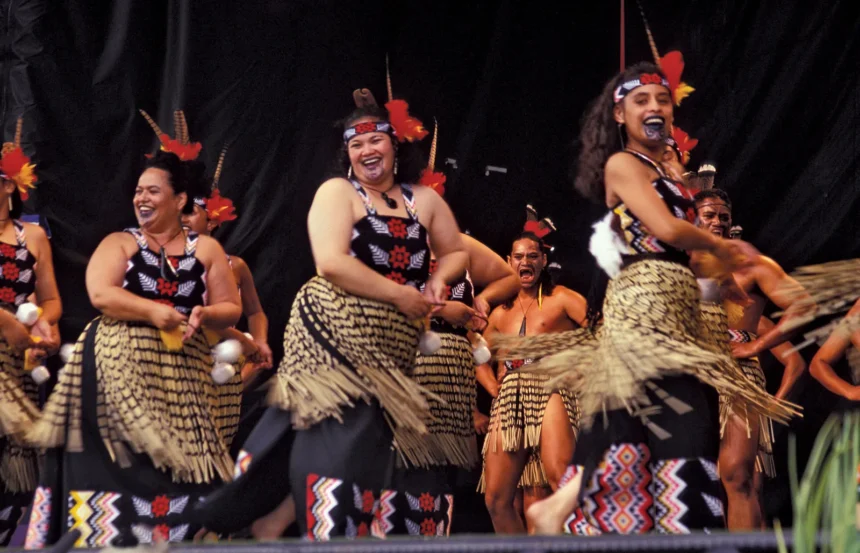
Māori culture is built around strong connections to ancestry, land, spirituality and community, with traditions such as whakapapa, pōwhiri, haka, karakia and tangihanga continuing to shape the identity of the Indigenous Polynesian people of Aotearoa New Zealand.
The Māori are the Indigenous Polynesian people of Aotearoa, the name Māori people use for New Zealand. Their culture has developed over centuries and continues to influence social life, language, arts, spirituality and community relationships across the country.
At the heart of Māori culture is a strong sense of connection — to ancestors, family, land, spirituality and the wider community.
These connections are reflected in ceremonies, traditional practices and forms of storytelling that have been passed from one generation to another.
One of the most important concepts in Māori culture is whakapapa, which refers broadly to genealogy and ancestral connections.
Whakapapa connects individuals to their parents, grandparents and ancestors, while also establishing relationships with the natural world.
It can help define a person’s identity, responsibilities and place within their community.
For Māori, ancestry is therefore not simply a record of family history. It can represent a continuing connection between people, generations and the environment around them.
The Importance of the Marae
The marae is an important communal space within many Māori communities.
It serves as a place where people gather for ceremonies, meetings, celebrations, discussions and other significant occasions.
The marae can also provide a setting where cultural knowledge, traditions and values are maintained and passed between generations.
Many important Māori ceremonies take place on the marae, making it an important centre of cultural and community life.
What Is Pōwhiri?
One of the best-known Māori ceremonies is the pōwhiri, a formal welcoming ceremony.
A pōwhiri can include speeches, songs, chants and other ceremonial practices as hosts welcome visitors.
The ceremony is more than a traditional greeting. It provides an opportunity for hosts and visitors to establish a relationship based on respect, recognition and connection.
The specific elements of a pōwhiri can vary depending on the community and circumstances.
The Role of Karakia
Karakia are prayers, blessings or spiritual invocations used in various Māori contexts.
They may be performed before important activities, gatherings or ceremonies.
Depending on the context, karakia can acknowledge ancestors, seek protection, express gratitude or recognise spiritual connections.
The practice reflects the important role that spirituality continues to play in many aspects of Māori life.
What Does the Haka Mean?
The haka is perhaps the most internationally recognised Māori cultural practice.
It has gained global attention through sporting events, particularly performances by New Zealand’s national rugby teams.
However, the haka is much more than a sporting performance.
Haka can incorporate chants, movement, facial expressions, rhythm and coordinated gestures.
Different forms of haka can have different purposes. They may be performed to welcome visitors, mark important occasions, express identity, celebrate achievements or honour people.
As a result, the haka can communicate powerful ideas about history, unity, emotion, strength and cultural identity.
Its meaning depends on the particular haka, its performers and the context in which it is performed.
Tangihanga: Māori Funeral and Remembrance Traditions
Māori traditions surrounding death also demonstrate the importance of family and community.
A tangihanga, often shortened to tangi, is a Māori funeral ceremony in which family, friends and members of the wider community gather to mourn and remember someone who has died.
A tangi can last several days, providing time for people to grieve, share memories and support the bereaved family.
The ceremony reflects the collective nature of Māori approaches to mourning. Grief is not necessarily treated solely as an individual experience; instead, family and community come together to provide support.
Māori Language, Arts and Storytelling
Māori culture extends beyond ceremonies and rituals.
Te reo Māori, traditional carving, weaving, music, dance, storytelling and other forms of cultural expression remain important elements of Māori identity.
Traditional knowledge and artistic practices continue to be taught and adapted by Māori communities, helping preserve cultural heritage while allowing it to remain relevant in contemporary society.
How Māori Culture Influences Modern New Zealand
Māori culture continues to have an important place in modern Aotearoa New Zealand.
Māori language and cultural practices can be found in education, public life, arts, media, tourism, sport and community activities.
At the same time, Māori communities continue to maintain and develop their own traditions, ensuring that cultural knowledge is passed from one generation to the next.
This continuity is important because Māori traditions are not simply historical practices preserved in museums.
They remain living expressions of identity, ancestry, belonging and community.
Why Māori Traditions Matter Today
The continuing practice of Māori traditions demonstrates the importance of cultural heritage in maintaining a sense of identity.
From whakapapa and the marae to pōwhiri, karakia, haka and tangihanga, these practices emphasise relationships between individuals, families, ancestors, communities, the land and the spiritual world.
Understanding these traditions also provides a broader insight into the history and cultural identity of Aotearoa New Zealand.
Māori culture is a living heritage shaped by ancestry, community, spirituality and a deep connection to the land.
Practices such as whakapapa, pōwhiri, karakia, haka and tangihanga continue to provide important ways for Māori people to express identity, preserve history and strengthen relationships.
Rather than being remnants of the past, these traditions continue to evolve within modern Aotearoa while retaining their connection to generations that came before.