
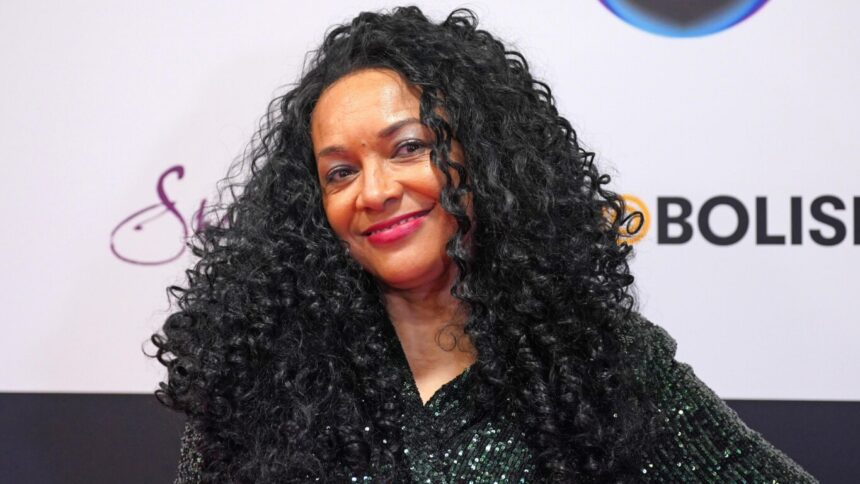
When Kanya King launched the MOBO Awards in 1996, she wasn’t simply creating another music ceremony, she was challenging an industry that routinely overlooked Black artists and the genres they helped popularize.
Following her death at 57 after a battle with colon cancer, tributes have highlighted her role as a pioneer, visionary and cultural force. Yet those descriptions tell only part of the story. More importantly, King changed how Britain viewed Black music and, in doing so, created opportunities for generations of artists.
A Vision Born From Exclusion
Before the MOBO Awards existed, mainstream ceremonies rarely recognized genres such as R&B, hip-hop, reggae and later grime. Consequently, many artists found themselves excluded from the industry’s biggest stages despite their growing influence.
King recognized that gap and decided to fill it. Rather than wait for the industry to change, she built an alternative platform that celebrated talent on its own terms. In doing so, she started a movement that would eventually become a fixture of British popular culture.
Turning Rejection Into Opportunity
However, King’s journey proved far from easy. As a teenage mother who left school early, she faced doubts from people who questioned her ambitions and abilities.
Nevertheless, she refused to lower her expectations. Instead, she funded the first MOBO Awards herself and spent years persuading sponsors, executives and broadcasters to support her vision. Even when doors closed, she kept pushing forward.
As a result, the awards survived their uncertain early years and gradually gained credibility across the industry.
The Awards That Changed British Music
Over time, the MOBO Awards became much more than an annual ceremony. They evolved into a launchpad for emerging talent and a symbol of recognition for artists who often struggled to find space elsewhere.
For example, the awards helped elevate artists such as Craig David, Kano and Stormzy before they became household names. Meanwhile, they also helped bring genres like UK garage, grime and Afrobeats into mainstream conversations.
Moreover, the MOBOs proved that audiences wanted broader representation than traditional gatekeepers had assumed.
More Than a Music Executive
King’s influence extended beyond the music business. In addition to promoting artists, she advocated diversity across the creative industries and challenged institutions to address longstanding inequalities.
Furthermore, she used her platform to create opportunities for underrepresented communities. Through initiatives such as Mobolise, she pushed for change not only in entertainment but also in business and leadership spaces.
Therefore, her impact reached far beyond red carpets and award stages.
A Legacy That Outlives the MOBOs
Even after revealing her stage four cancer diagnosis in 2024, King continued to support the causes she believed in. Similarly, she remained committed to the mission that had guided her career for nearly three decades.
Today, the artists, executives and cultural leaders paying tribute to her reflect the breadth of her influence. Ultimately, King’s greatest achievement was not the awards she created but the barriers she broke.
Because of her work, countless artists found recognition, audiences discovered new voices and an industry learned to pay attention.
That legacy will endure long after the applause fades.