
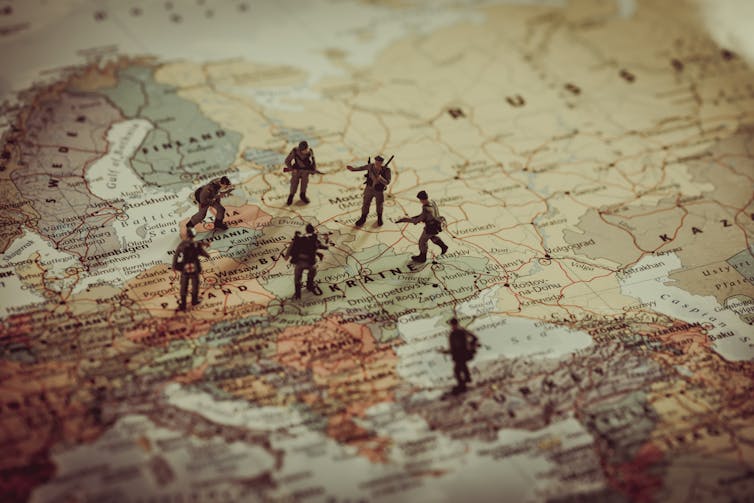
Conflicts in distant regions often appear unrelated to Africa. However, global wars and tensions frequently create economic effects across continents.
One example is the Russia–Ukraine War which disrupted global food supply chains.
Both Russia and Ukraine are among the world’s largest exporters of wheat and fertilizers.
When exports declined during the war, many African countries experienced food shortages and rising prices for bread and other staples.
Conflicts also affect global energy markets, especially when tensions occur near oil-producing regions or strategic maritime shipping routes.
Rising oil prices often increase transportation and production costs in Africa, worsening inflation and straining national economic budgets.
Read Also: What Is Propaganda and How Can You Identify It?
Shipping disruptions can also affect trade. For example, instability around the Red Sea can slow global cargo movement.
When shipping routes become risky, goods take longer to arrive and freight costs increase for businesses and consumers.
Global conflicts may also reduce foreign investment and development aid to African economies during periods of geopolitical uncertainty.
Major powers often redirect financial resources toward defence and security rather than economic development support.
As a result, even distant conflicts can influence food prices, energy costs, trade flows and financial stability across Africa.
Experts say stronger local production and diversified trade partnerships could help African economies reduce vulnerability to global crises.