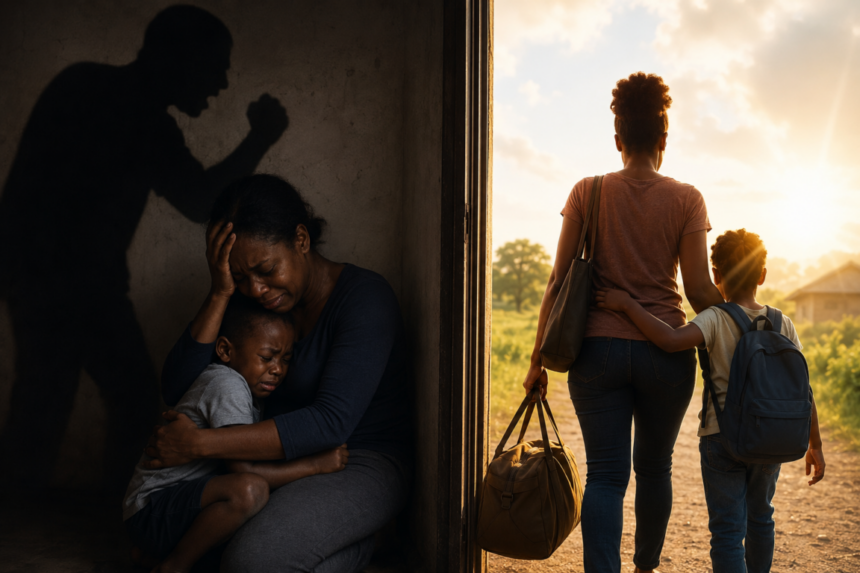
Behind closed doors, many women, men and children live with violence, threats and emotional pain at the hands of people they love and trust.
For many people, home is a place of love, comfort and protection. It is where families gather, children grow and memories are made. Sadly, for thousands of Nigerians, home is the place they fear the most.
Domestic violence remains one of Nigeria’s most serious social and public health challenges. It affects people regardless of age, religion, education or income.
Some survivors experience physical assault. Others endure emotional abuse, sexual violence, financial control or constant intimidation. These forms of abuse can leave deep emotional scars, even when there are no visible injuries.
According to the 2018 Nigeria Demographic and Health Survey, nearly one in three Nigerian women between the ages of 15 and 49 has experienced physical violence since the age of 15.
The survey also found that many survivors never report the abuse to the police or other formal authorities. Instead, they often turn to relatives, friends or religious leaders. Others remain silent because they fear shame, rejection or retaliation.
The World Health Organization describes violence against women as one of the world’s most common human rights violations. Beyond physical injuries, survivors may struggle with depression, anxiety, trauma and long-term health problems that affect many areas of their lives.
Why Do Survivors Stay?
Many people still ask the same question: “Why don’t survivors just leave?”
The answer is rarely simple.
Some survivors depend on abusive partners for food, housing or their children’s school fees. Others worry about raising a family alone or fear losing custody of their children.
Cultural expectations can also make it difficult to leave. In some communities, family members encourage couples to remain together despite repeated abuse because they believe divorce brings shame to the family.
Fear is another major factor. An abusive partner may threaten to harm the survivor, the children or other family members if they try to leave. In many cases, the danger does not end after a survivor escapes. Harassment, stalking and intimidation can continue for months or even years.
Starting Over After Abuse
Walking away from violence is only the first step. Starting over is often the hardest part.
Many survivors leave their homes with little or nothing. Some find temporary shelter with relatives or friends, while others rely on safe houses run by support organisations.
Finding stable housing, securing employment and rebuilding financial independence can take months or even years.
The emotional recovery can be just as difficult. Years of manipulation and abuse can destroy a person’s confidence. Simple decisions may become overwhelming because fear has shaped their daily lives for so long.
Counselling, therapy and support groups can help survivors regain confidence and begin the healing process.
Rebuilding Lives and Finding Hope
Despite these challenges, many survivors refuse to let violence define their future.
Across Nigeria, survivors are rebuilding their lives through education, vocational training and entrepreneurship. Some have started successful businesses after leaving abusive relationships. Others have returned to school, found stable jobs or learned new skills that help them support themselves and their children.
Many survivors also choose to help others. Some volunteer with organisations that provide legal support, counselling and emergency shelter. Others speak publicly about their experiences to encourage people living with abuse to seek help and remind them that they are not alone.
Legal Protection and the Fight for Justice
Nigeria has made progress in strengthening legal protection for survivors.
The Violence Against Persons (Prohibition) Act of 2015, commonly known as the VAPP Act, criminalises different forms of abuse, including physical violence, emotional abuse, stalking and harmful traditional practices.
The law applies directly in the Federal Capital Territory, while many states have adopted similar legislation.
Even so, legal protection alone cannot solve the problem. Limited awareness, slow court processes and inadequate support services continue to prevent many survivors from accessing justice.
Child protection advocates and legal experts continue to call for stronger law enforcement, better public education and easier access to support services.
The Impact on Children
Domestic violence affects more than the person experiencing the abuse.
Children who witness violence at home can carry emotional wounds into adulthood. Exposure to domestic violence may affect their mental health, school performance and future relationships if they do not receive the right support.
This is why protecting survivors also means protecting children who grow up in violent homes.
Building Safer Homes
Ending domestic violence requires more than stronger laws.
Families, schools, religious leaders, traditional rulers, employers and community members all have a role to play. Speaking out against abuse, supporting survivors and challenging harmful beliefs can help create safer homes for everyone.
For many survivors, healing does not happen overnight. Recovery takes time, patience and support.
Some rebuild their confidence through education. Others find hope by helping people facing the same struggles they once experienced.
The memories may never completely disappear, but they do not have to control the future.
Life After Abuse Is Possible
Every survivor’s journey looks different, but each story carries the same powerful message: life is possible after abuse.
Sometimes, courage means reporting the violence. Sometimes, it means leaving with nothing except hope. And sometimes, it begins with simply asking for help.
No one should have to fear the place they call home.
When survivors find safety, support and a chance to rebuild, they do more than escape violence. They prove that healing is possible, hope can return and a new beginning can emerge from even the darkest chapters of life.