What if your next vote is decided before election day, not by campaign promises, but by hunger?
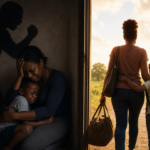
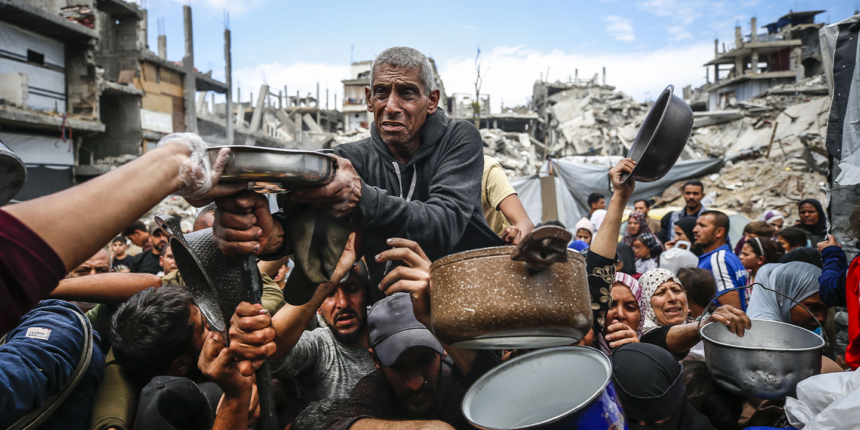
Imagine choosing between feeding your family today and thinking about the next four years, for millions of Nigerians, that is a daily reality. That is why many experts believe poverty is more than an economic problem. They say it can also become a political tool.
Nigeria is Africa’s largest oil producer and one of its biggest economies. Even so, millions of people struggle to afford food, healthcare, education, and decent housing. According to the National Bureau of Statistics’ Multidimensional Poverty Index, more than 133 million Nigerians experience multiple forms of deprivation. The World Bank also says poverty continues to increase across the country.
During election periods, politicians often share cash, food, clothing, and other items with struggling communities. These donations may help families meet urgent needs. However, critics argue that such gifts can also influence how people vote, especially when survival comes before long-term plans and policies.
Political analysts say democracy suffers when citizens depend on politicians for basic needs. Instead of choosing leaders based on their ideas, performance, or policies, some voters may support whoever offers immediate help. As a result, vote buying remains one of Nigeria’s biggest election challenges.
Although Nigerian law prohibits vote buying, election observers have repeatedly reported cases where politicians exchange money or gifts for votes. In many instances, they present these payments as transport support or empowerment programmes.
Experts, including Nobel Prize winners Amartya Sen and Esther Duflo, agree that emergency assistance is necessary during difficult times. However, they stress that lasting progress depends on quality education, accessible healthcare, decent jobs, strong institutions, and inclusive economic growth.
Ultimately, reducing poverty is not only about improving living standards. It is also about protecting democracy. When people have access to opportunities and basic necessities, they can vote based on their beliefs and the future they want, rather than the hunger they face today.