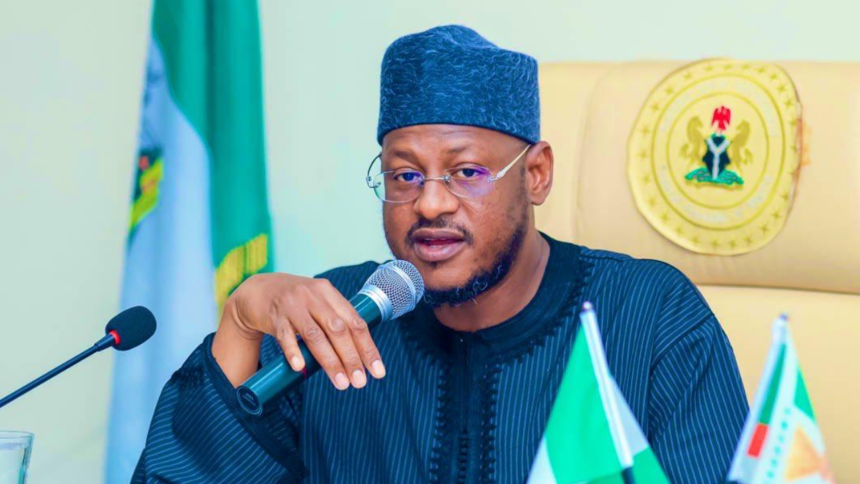
What Governor Dikko Umaru Radda revealed in 2026 about the presence of “moles” inside government offices, security agencies, and even local communities supporting bandits has again brought attention to a warning made more than a decade ago by former President Goodluck Jonathan.
In 2012, Jonathan warned that Boko Haram supporters were present in key government institutions, including the executive, legislature, judiciary, and even the military. At the time, many people did not take the claim seriously. But today, events suggest that insecurity in Nigeria is not only caused by armed groups in the bush, but also by insiders helping them.
Governor Radda recently said that bandits sometimes get information just minutes after security meetings. He explained that some criminals already know troop movements before operations begin.
This shows how deeply insecurity has affected government systems and communities in Nigeria. Over the years, the country has faced different forms of violence: Boko Haram attacks in the North-East, banditry in the North-West, kidnappings in the North-Central, separatist violence in the South-East, and other criminal activities across the country.
According to political economist Claude Ake, the real problem is exclusion from development and opportunities. This exclusion has helped create conditions where crime and violence can grow. Chinua Achebe also said Nigeria’s main problem is poor leadership, and this continues to reflect in the country’s insecurity challenges.
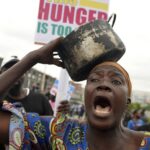
The crisis has also badly affected the economy. Farmers in many states can no longer safely go to their farms, leading to lower food production, higher prices, and growing poverty. A 2025 study in Benue State showed that insecurity reduced farming output and increased hunger and inflation.
The human cost is also severe. Thousands of people have been killed, millions have been displaced, rural communities have been destroyed, investors are afraid to come in, and many young people have turned to crime, drugs, migration, or extremist groups.
Many of these problems could have been avoided. For years, political leaders have used religion, ethnicity, and poverty for political gain instead of focusing on governance, education, security, and economic development. This has made divisions in the country worse.
Despite the challenges, Nigeria can still recover, but only through serious action, not promises or speeches. Key steps include:
- Rebuilding the intelligence and security system
- Arresting and prosecuting those supporting terrorists, regardless of status
- Creating state police and community security systems
- Investing heavily in education, farming, and jobs for young people
- Removing politics from security matters
- Encouraging cooperation among state governments
- Prioritizing national survival over political interests
Governor Radda recently said that security problems cannot be solved quickly, but require teamwork and strong community involvement.
Nigeria is going through a serious security crisis, but the country will not fall only because of criminals. It will suffer more if leaders ignore the truth and fail to act.
The future will judge today’s leaders not by their words during campaigns, but by whether they helped protect and preserve the country.
Cliff Stanley
Political Scientist / Analyst