
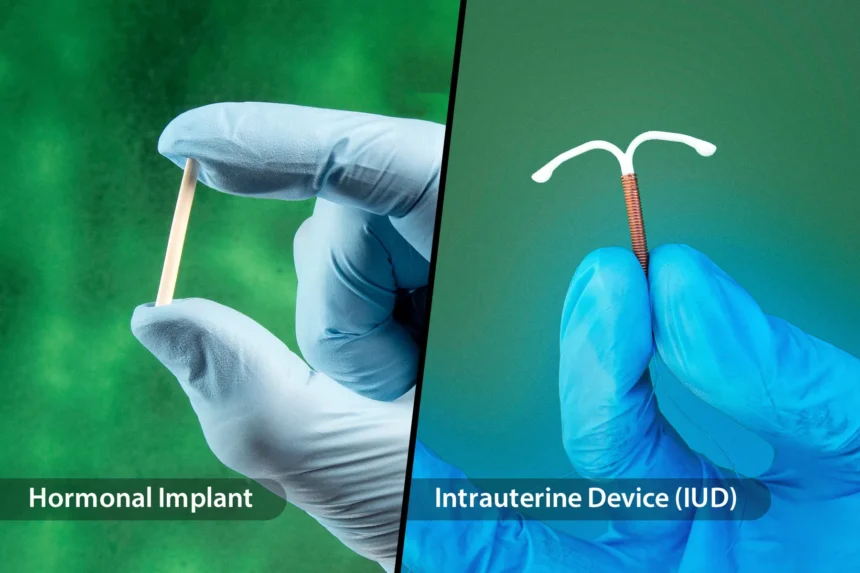
The decision to insert a contraceptive implant in the arm is one that requires proper medical advice, accurate information and careful consideration, especially among young girls who may not fully understand the effects, benefits and possible challenges associated with the method.
A contraceptive implant is a small, flexible rod placed under the skin of the upper arm by a trained health worker. It releases hormones that prevent pregnancy by stopping ovulation and changing the environment around the cervix to reduce the chances of fertilisation.
While global health organisations recognise implants as highly effective family planning methods, experts stress that the decision to use them should not be made through pressure, misinformation or without proper counselling.
WHO Position: Implants Are Effective, But Require Informed Choice
The World Health Organisation (WHO) states that modern contraceptive methods, including implants, are among the safest and most effective options for preventing unintended pregnancies when provided appropriately by trained health professionals. (World Health Organization)
However, WHO emphasises that contraceptive choices should be based on an individual’s health condition, personal circumstances, informed consent and access to professional counselling. (World Health Organization)
The organisation also notes that family planning services help women and girls avoid unintended pregnancies, reduce health risks linked to early pregnancy and support education and economic opportunities. (World Health Organization)
Why Young Girls Should Be Careful Before Using Implants
Health specialists warn that girls at a very tender age need proper guidance before considering any hormonal contraceptive method.
Many adolescents may not have enough understanding of:
- How hormonal implants work
- Possible side effects
- The importance of medical screening
- Sexual health protection
- Long-term reproductive planning
Experts say young girls should not view implants as a replacement for proper education, responsible decision-making and protection from sexually transmitted infections.
Possible Side Effects of Arm Implants
Although implants are considered safe for many users, some women experience side effects. These may include:
| Possible Effect | Explanation |
|---|---|
| Changes in menstrual bleeding | Some users may experience irregular periods, lighter bleeding or prolonged bleeding |
| Headaches | Hormonal changes may trigger headaches in some users |
| Mood changes | Some users report emotional changes after insertion |
| Breast tenderness | Hormonal effects may cause discomfort |
| Weight changes | Some users may notice changes in body weight |
| Pain or infection at insertion site | Rare complications can occur if insertion is not properly done |
The Centres for Disease Control and Prevention (CDC) advises that implant users should have access to healthcare providers to discuss side effects, concerns and possible removal or replacement when needed. (CDC)
Important Facts Every Girl Should Know
| Fact | Explanation |
|---|---|
| Implant does not protect against HIV or sexually transmitted infections | Condoms remain the only contraceptive method that also reduces the risk of sexually transmitted infections, including HIV. (CDC) |
| Implant does not permanently stop fertility | Fertility generally returns after removal. (CDC) |
| It must be inserted by trained professionals | Improper insertion can cause complications. (CDC) |
| It is not a solution to social pressure | Girls should not accept implants because of pressure from partners, friends or society. |
World Bank: Importance of Protecting Girls Through Education
The World Bank has repeatedly highlighted the connection between girls’ education, health outcomes and economic opportunities. Keeping girls in school and improving access to accurate health information are important factors in reducing early pregnancies and improving future opportunities.
According to development experts, empowering girls with education and knowledge enables them to make informed decisions about their health and future.
Nigeria’s Health Perspective
Health authorities in Nigeria have continued to promote access to reproductive health information and voluntary family planning services. However, public health experts stress that such services must be accompanied by proper counselling, especially for adolescents.
The focus, according to experts, should not only be preventing pregnancy but also ensuring that young girls understand their health choices, protect themselves from infections and receive age-appropriate education.
Message to Parents and Young Girls
Parents, guardians and communities have a major role in ensuring that young girls receive correct information instead of relying on rumours or peer pressure.
Before considering any contraceptive method, girls should:
- Speak with qualified healthcare professionals
- Understand benefits and possible risks
- Ask questions about side effects
- Avoid making decisions based on pressure
- Prioritise education and personal development
Conclusion
Contraceptive implants can be an effective family planning option for eligible users, but they are not decisions that should be taken casually, especially by very young girls.
The priority should be ensuring that adolescents have access to education, accurate health information and responsible guidance so they can make informed choices about their bodies and future. (World Health Organization)