
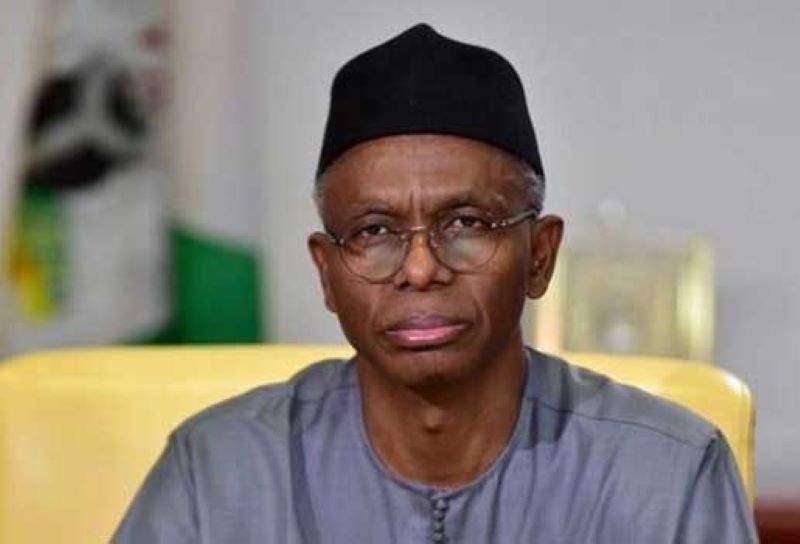
Former Kaduna State Governor, Nasir El-Rufai, has raised concerns over the recently launched biography of the late President Muhammadu Buhari, cautioning Nigerians against political exploitation of the publication and selective storytelling that could distort the former president’s legacy.
El-Rufai described certain aspects of the book launch as “red flags”, emphasizing that the timing and high-profile nature of the event risked being interpreted as a platform for partisan interests rather than an objective commemoration of Buhari’s life and achievements.
The biography was officially launched on the 15th at the State House in Abuja, in a ceremony attended by top government officials. During the event, President Bola Tinubu highlighted the collaboration between himself and the late Buhari in building the All Progressives Congress (APC), the political party that later unseated the previous administration.
While the launch celebrated Buhari’s contributions to national politics, El-Rufai argued that emphasizing partisan achievements within the context of a personal biography could overshadow the broader historical and national legacy of the former president.
El-Rufai urged Nigerians to allow Buhari to “rest in peace” and cautioned against turning the biography into a vehicle for narrow political narratives.
He stressed that selective narratives in the publication or its promotion could potentially rewrite public perceptions, framing Buhari’s life and decisions in ways that serve contemporary political agendas rather than historical accuracy.
“This is not the time to politicize a personal history. The former president’s legacy deserves respect, not selective storytelling,” El-Rufai said in a statement shared with journalists.
Observers note that El-Rufai’s comments reflect broader concerns about political appropriation of historical figures in Nigeria, especially when biographies are launched amidst active governance or partisan campaigns.
The APC, which Buhari helped consolidate, has in recent times positioned his tenure as a template for continuity in governance. Critics argue that public events, including book launches, may inadvertently reinforce partisan narratives if not handled with neutrality.
El-Rufai’s warning highlights the tension between celebrating historical figures and avoiding politicization of their legacy, particularly in a country where political affiliations heavily influence public discourse.