
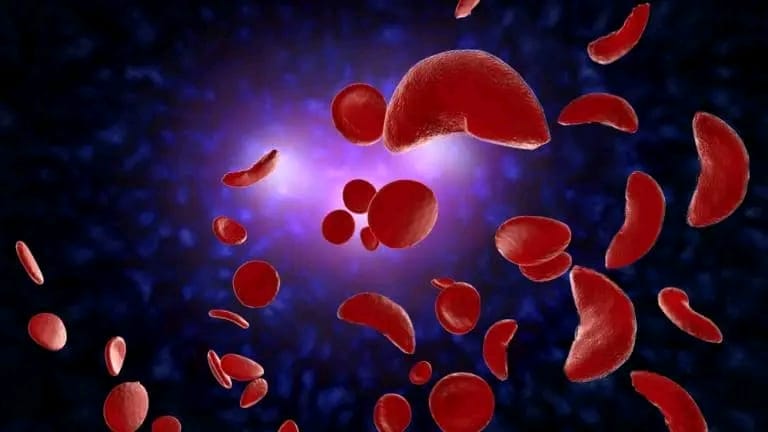
Sickle cell disease is a group of inherited blood disorders that affects haemoglobin, the protein responsible for carrying oxygen throughout the body. Unlike normal red blood cells, which are flexible and disc-shaped, sickled cells can become rigid and crescent-shaped, making it difficult for them to move through blood vessels.
When these abnormal cells block blood flow, patients can experience severe episodes of pain commonly known as sickle cell crises or vaso-occlusive crises. The condition can also lead to complications including chronic pain, stroke, infections, kidney disease, lung problems and eye complications.
Although sickle cell disease is a lifelong condition, advances in medical care have made it possible for many people living with the disease to manage their symptoms and lead fulfilling lives.
Nigeria, however, continues to face a significant sickle cell burden. The condition affects thousands of families every year, with challenges including late diagnosis, limited access to treatment, inadequate healthcare resources and the high cost of long-term care.
For many years, public discussion around sickle cell in Nigeria has largely focused on prevention, particularly genotype testing before marriage. While genotype awareness remains important, the experiences of people already living with the condition also deserve greater attention.
One of those experiences comes from Samuel Waters, a 70-year-old man who has lived with sickle cell disease for decades.
Living With Sickle Cell for Decades
Waters said his experience of sickle cell disease has passed through different stages, including ignorance, denial, acceptance, treatment and continued efforts to manage the condition.
He described sickle cell crises as intensely painful experiences that can range from weakness and stiffening of the joints to severe pain, reduced energy and other debilitating symptoms.
For him, medical intervention, prescribed pain medication, hydration and rest have been important components of managing the condition.
Waters also noted that while relatives, friends and healthcare professionals may provide assistance during a crisis, the experience of severe sickle cell pain remains deeply personal.
He described it as a battle that patients often experience within themselves, highlighting the psychological and emotional consequences that can accompany chronic illness.
Hydroxyurea: Years of Treatment
Waters said that approximately three decades ago, he was prescribed Hydroxyurea as part of his sickle cell management.
According to him, the medication became an important part of his preventive treatment and helped increase fetal haemoglobin, improve blood-cell health and reduce the frequency of sickle cell crises.
He said the treatment worked for many years and expressed gratitude for the medical advances that made it available.
However, he eventually began experiencing recurring leg ulcers.
Between 2023 and June 2026, Waters said he developed leg ulcers intermittently and required treatment from medical specialists.
He said a pharmacist eventually raised the possibility that Hydroxyurea could be associated with the development of leg ulcers.
Concerned about the recurring wounds, Waters stopped taking the medication without further consultation with his healthcare providers.
He said the ulcers subsequently healed over approximately six months, although he experienced his first sickle cell crisis in more than five years after stopping Hydroxyurea.
Searching for an Alternative
By June 2026, Waters said he began looking for possible alternatives to Hydroxyurea.
His research led him to L-glutamine, a substance that has been studied and approved in the United States for reducing certain complications associated with sickle cell disease.
Rather than making the decision entirely on his own, he said he subsequently discussed the option with his hematologist and wound-care physician and sought their support.
Waters was eventually prescribed pharmaceutical-grade L-glutamine, known commercially as Endari.
His Experience With L-Glutamine
Waters said that after approximately two and a half months of treatment, he had observed significant healing of his leg sores and ulcers.
He described the experience as encouraging, while stressing that his experience should not be interpreted as a recommendation for other sickle cell patients to stop or change their medication without medical supervision.
His central message is that people living with sickle cell disease should actively participate in discussions about their treatment and understand how different medications may affect them.
Individual Treatment Matters
The experience also raises a broader question about sickle cell treatment: Can one treatment approach work equally well for every patient?
Sickle cell disease varies considerably from one person to another. The type of sickle cell disease, severity of symptoms, frequency of crises, complications and response to medication can all influence treatment decisions.
Hydroxyurea remains an important treatment option for many people with sickle cell disease, while L-glutamine may be appropriate for some patients under medical supervision. The two treatments should not simply be regarded as interchangeable drugs, and patients should not discontinue prescribed medication based solely on another person’s experience.
Waters’ story therefore serves less as a prescription and more as a reminder of the importance of informed conversations between patients and healthcare professionals.
Beyond Awareness to Better Care
Nigeria’s sickle cell conversation has traditionally placed significant emphasis on prevention through genotype testing and counselling. While prevention remains important, the experiences of millions of people already living with sickle cell disease demonstrate the need for equal attention to treatment, pain management, psychological support, research and access to affordable medication.
Waters’ decades-long experience illustrates both the progress made in sickle cell treatment and the challenges that remain.
His experience with Hydroxyurea, the emergence of leg ulcers and his subsequent transition to L-glutamine demonstrate the complexity of managing a lifelong condition.
Ultimately, the question of whether L-glutamine is a “knight or pawn” cannot be answered universally. Its usefulness depends on the individual patient, clinical circumstances and guidance from qualified healthcare professionals.
For people living with sickle cell disease, the priority should be access to accurate information, competent medical care and treatment options that are carefully evaluated according to their individual needs.
Medical note: This article discusses an individual’s treatment experience and is not medical advice. Anyone considering starting, stopping or changing Hydroxyurea, L-glutamine or any other sickle cell treatment should consult their hematologist or other qualified healthcare professional.