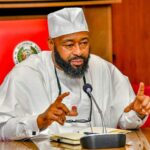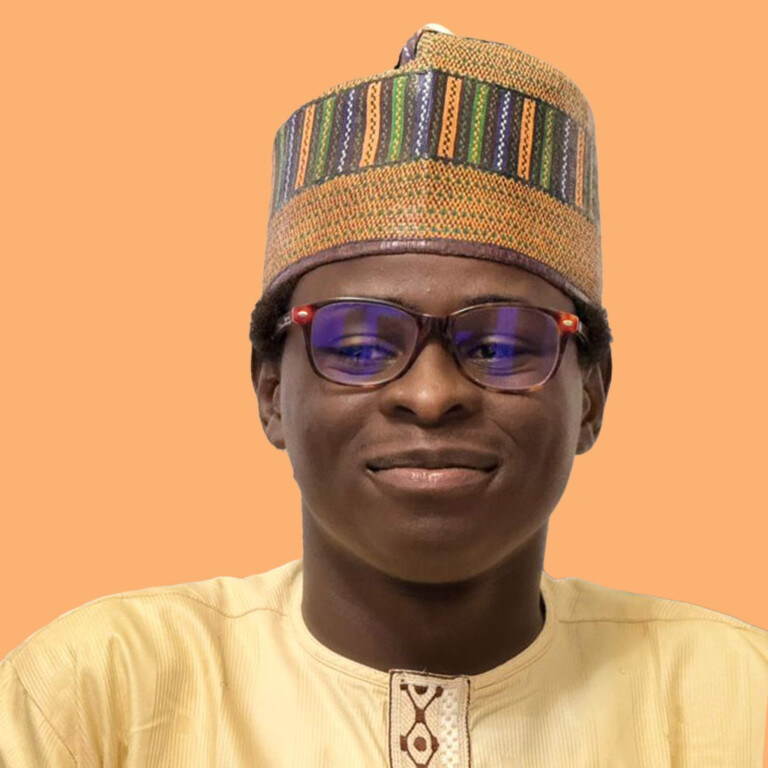
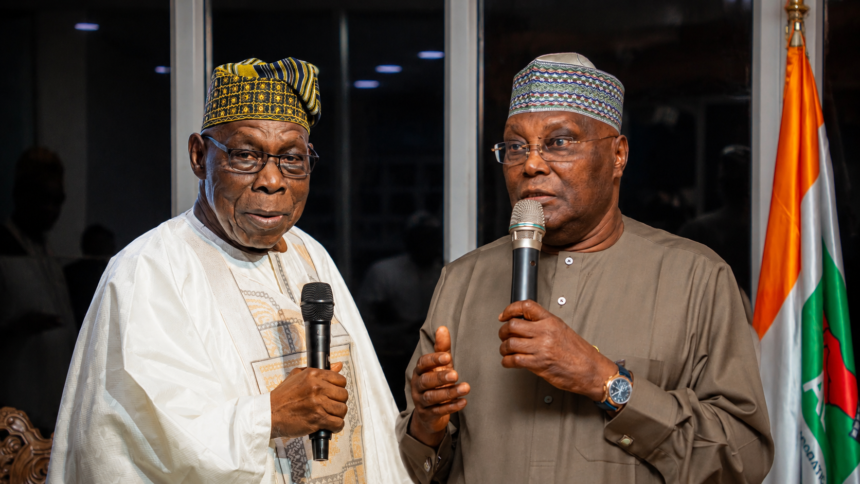
Former Kaduna Central Senator, Shehu Sani, has said the long-running political feud between former President Olusegun Obasanjo and former Vice President Atiku Abubakar may only come to an end when one of the two political figures dies.
Sani made the remark in a post on his X account while reacting to the latest exchange between the former allies, whose relationship has remained turbulent for more than two decades.
“The Obj/Atiku feud began when Gen Zs were in nursery and primary school. It’s continuing even when that generation has graduated from universities, married and had children,” Sani wrote.
He suggested that the rivalry had become one of the longest-running political battles in Nigeria’s democratic history.
“It’s likely going to continue until one of them is gone, and the other will pay a glowing tribute. Since Atiku threw a devastating bomb at Obj, he has been receiving Obj’s hypersonic missiles for two decades,” he added.
Sani’s comments followed a fresh war of words between Obasanjo and Atiku, reigniting a rivalry that has shaped Nigeria’s political landscape since the return to democratic rule in 1999.
The latest disagreement was sparked after Obasanjo reportedly described his decision to choose Atiku as his running mate ahead of the 1999 presidential election as the biggest mistake of his presidency.
The remark drew swift reactions from Atiku’s camp, reopening old political wounds that have defined the relationship between the two leaders for more than 20 years.
Obasanjo and Atiku emerged as running mates under the Peoples Democratic Party (PDP) in the 1999 general election that ushered in Nigeria’s Fourth Republic. Together, they secured victory and assumed office on May 29, 1999, with Obasanjo as President and Atiku as Vice President.
During the administration’s early years, Atiku played a prominent role in government, chairing the National Council on Privatisation and overseeing key economic reforms, including the privatisation of government-owned enterprises and efforts to liberalise critical sectors of the economy.
However, their relationship began to deteriorate after their re-election in 2003 amid disagreements over succession plans, political appointments, control of the PDP and the growing influence of the Vice President.
The rift deepened during the controversial campaign for a constitutional amendment that would have allowed Obasanjo to seek a third term in office.
Atiku publicly distanced himself from the proposed amendment, a move widely viewed as direct opposition to the President. The third-term bid eventually failed in the National Assembly in 2006 following strong resistance from lawmakers, civil society organisations and sections of the political class.
The collapse of the proposal marked a turning point in their relationship.
Obasanjo accused Atiku of disloyalty and corruption, while Atiku maintained that he was being politically victimised for refusing to support the third-term agenda.
The dispute later moved to the courts after the Presidency attempted to strip Atiku of some of his official responsibilities following his defection from the PDP to the Action Congress ahead of the 2007 presidential election.
In a landmark judgment delivered in March 2007, the Supreme Court ruled that the President lacked the constitutional authority to remove an elected Vice President, allowing Atiku to remain in office until the end of their tenure.
Since leaving office, both men have repeatedly exchanged accusations over corruption, abuse of power, betrayal and the events that characterised their years in government.
Although there were signs of reconciliation ahead of the 2019 presidential election, when Obasanjo endorsed Atiku’s presidential bid, the truce proved short-lived as political differences resurfaced in subsequent years.
The latest round of hostilities also followed allegations by Obasanjo that Atiku bribed the late Speaker of the House of Representatives, Ghali Umar Na’Abba, to initiate impeachment proceedings against him while they were in office.
Atiku denied the allegation, accusing his former principal of attempting to influence public opinion ahead of the 2027 general election. Obasanjo responded by insisting that selecting Atiku as his running mate in 1999 remained the greatest mistake of his presidency.
The renewed exchange has once again highlighted one of Nigeria’s most enduring political rivalries, with Shehu Sani suggesting that reconciliation between the two former leaders remains unlikely.