
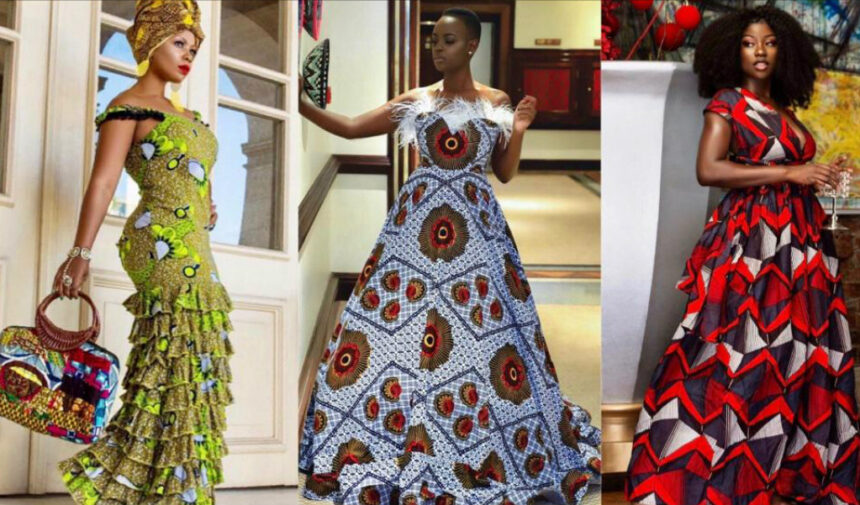
For decades, African fashion has expressed identity, culture and storytelling, today, it also drives global fashion trends as designers, artisans and creatives redefine luxury and contemporary style while staying rooted in tradition.
From the vibrant Ankara prints of West Africa to the intricate beadwork of Southern Africa and the flowing boubous of the Sahel, African fashion offers far more than colourful fabrics.
Every pattern, stitch and silhouette tells a story that reflects communities, ceremonies and generations of craftsmanship.
Across Africa, communities have long used clothing to communicate status, ethnicity, age and social values.
In Ghana, master weavers create Kente cloth by hand, giving each colour and pattern symbolic meaning. In Nigeria, families wear Aso Oke during weddings, festivals and other important celebrations. Across East Africa, designers continue to refresh kitenge and kanga fabrics with modern styles while preserving their cultural significance.
Today’s designers honour these traditions by blending heritage with modern tailoring. Their creativity introduces African fashion to younger generations and attracts audiences around the world.
African Designers Command the Spotlight
African designers now command attention far beyond the continent. They present collections at international fashion weeks, collaborate with global brands and dress celebrities for major red-carpet events.
Designers such as Thebe Magugu, Lisa Folawiyo and Kenneth Ize have earned international recognition by combining African craftsmanship with contemporary design. Their collections celebrate culture while appealing to fashion lovers across the globe.
Their success proves that African fashion stands as a thriving industry driven by creativity, innovation and authenticity.
Sustainability Shapes African Fashion
African communities embraced sustainable fashion long before the term gained global popularity.
Artisans weave fabrics by hand, source materials locally and create garments that families treasure for generations. Modern designers continue these practices by partnering with local artisans, preserving traditional techniques and promoting ethical production.
These efforts strengthen local economies, protect cultural heritage and offer consumers an alternative to fast fashion.
Social Media Expands Global Reach
Social media has transformed the African fashion industry.
Platforms such as Instagram, TikTok and online marketplaces allow designers to reach international buyers without relying on traditional fashion capitals. Fashion influencers and celebrities proudly wear African made designs, introducing millions of people to the continent’s creativity and craftsmanship.
Digital platforms also help emerging designers build loyal audiences and grow successful brands.
Challenges Continue
Despite its rapid growth, African fashion still faces significant challenges.
Many designers struggle with limited manufacturing capacity, funding shortages and export barriers. Industry leaders continue to advocate for stronger investment in textile production, better supply chains and policies that support creative businesses across Africa.
Even so, the industry’s momentum continues to grow.
A Future Woven with Possibility
African fashion no longer follows global conversations, it helps shape them.
Consumers increasingly value authenticity, sustainability and cultural storytelling, giving African designers an opportunity to influence the future of fashion. A new generation of creatives continues to honour tradition while embracing innovation, ensuring that African fashion remains both timeless and forward looking.
More than clothing, African fashion celebrates identity, resilience and artistic excellence. Its influence continues to grow, inspiring designers, brands and fashion lovers around the world.