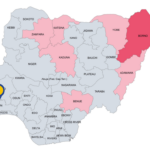

Across Nigeria, technology is reshaping the way people live, work, learn, and do business, from bustling cities to remote rural communities, digital innovation has become a powerful tool for economic growth and social development. What was once considered a luxury has increasingly become a necessity in a rapidly changing world.
As internet access expands and smartphone adoption grows, more Nigerians are embracing digital solutions that improve communication, financial inclusion, education, and healthcare. The country’s technology sector now stands as one of the most dynamic industries in Africa, attracting investment and creating opportunities for millions of young people.
The Rise of a Tech-Savvy Generation
Nigeria’s youthful population has played a significant role in the growth of the digital economy. Young entrepreneurs continue to develop innovative solutions to local challenges, using technology to create businesses that serve both domestic and international markets.
From software development and digital marketing to e-commerce and fintech services, many young Nigerians have found new ways to generate income and contribute to national development. Innovation hubs and startup communities have emerged across major cities, providing support, mentorship, and resources for aspiring entrepreneurs.
Expanding Access Through Connectivity
Internet connectivity remains one of the most important drivers of digital development. Government agencies and private sector stakeholders continue to invest in broadband infrastructure to improve access in underserved communities.
In many rural areas, improved connectivity has opened doors to information, online learning, digital banking, and business opportunities. Farmers now access weather updates and market information through mobile devices, while small business owners use social media and online platforms to reach wider audiences.
Transforming Education Through Technology
Technology has begun to change the educational landscape across Nigeria. Schools, universities, and training centers increasingly incorporate digital tools into teaching and learning processes.
Online learning platforms have enabled students to access educational materials beyond the traditional classroom. Digital resources provide opportunities for skill development in areas such as coding, data analysis, graphic design, and artificial intelligence, helping young people prepare for the demands of the modern workforce.
Financial Technology and Economic Inclusion
Few sectors have experienced growth as rapidly as financial technology. Digital payment platforms and mobile banking services have simplified transactions and expanded access to financial services for millions of Nigerians.
For individuals who previously lacked access to traditional banking institutions, fintech solutions offer convenient ways to save, transfer money, pay bills, and conduct business. These innovations have strengthened financial inclusion and supported economic participation across different segments of society.
Innovation Meets Healthcare
Healthcare providers have also embraced technology to improve service delivery. Telemedicine platforms allow patients to consult medical professionals remotely, reducing barriers to healthcare access in some communities.
Digital health records, appointment scheduling systems, and mobile health applications continue to improve efficiency while helping healthcare professionals deliver better patient care.
Challenges on the Digital Path
Despite significant progress, several challenges continue to slow technological development. Inadequate infrastructure, inconsistent power supply, cybersecurity threats, and unequal access to digital tools remain major concerns.
Many rural communities still struggle with limited internet coverage, while high data costs prevent some citizens from fully participating in the digital economy. Experts argue that addressing these barriers will require sustained investment, supportive policies, and stronger public-private partnerships.
Building Nigeria’s Digital Future
As technology continues to evolve, Nigeria stands at a critical moment in its development journey. The country possesses a large, innovative population capable of driving digital transformation across multiple sectors.
With continued investment in infrastructure, education, innovation, and digital inclusion, technology can serve as a catalyst for sustainable development. Beyond economic growth, digital advancement has the potential to improve quality of life, create jobs, and expand opportunities for future generations.
A Future Powered by Innovation
The story of technology in Nigeria is not simply about devices, software, or internet connections. It is a story about people finding new ways to solve problems, create opportunities, and build a better future.
As innovation spreads across communities and industries, technology continues to demonstrate its power to transform lives and accelerate development. For many Nigerians, the digital revolution is no longer a vision of the future it is already shaping the present.