
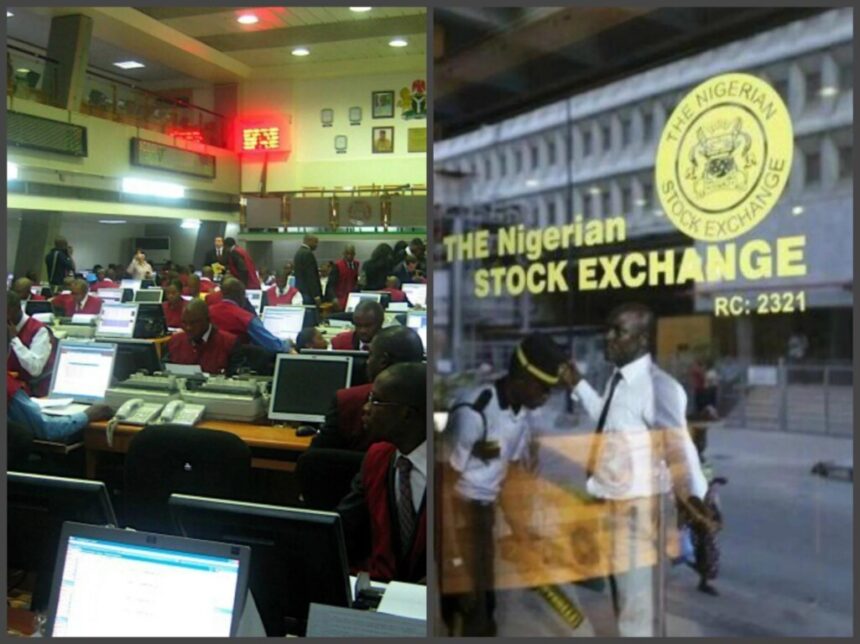
The highly dynamic Nigerian Exchange experiences immediate short-term adjustments as aggressive profit-taking pulls key equity indices downward. Total market capitalization drops sharply by roughly 1.8 trillion naira, dragging the heavily watched All-Share Index into the deep red zone. Financial market experts view this sudden contraction as a standard, healthy corrective cycle rather than a sign of structural economic weakness.
Savvy domestic institutional investors deliberately harvest immediate yields following a prolonged period of unprecedented market gains. This tactical selling pressure triggers localized sell-offs across major banking, industrial, and consumer goods tickers. However, beneath the immediate surface volatility, underlying corporate balance sheets remain incredibly robust and highly profitable. Analysts emphasize that the marketplace merely resets its valuation benchmarks, opening attractive entry points for long-term value investors.
Simultaneously, local pension fund administrators step back temporarily to reassess portfolio allocations under the government’s evolving fiscal regime. This temporary pause in institutional buying activity amplifies daily price fluctuations but preserves overall market integrity. Foreign portfolio investors closely observe these movements, anticipating a more sustainable price floor before deploying fresh capital. The regulatory authorities reassure the investing public that trading mechanisms continue to operate with absolute transparency and efficiency.
Furthermore, corporate earnings reports continue to demonstrate strong resilience against inflation. Companies that restructured their operations early in the reform cycle show impressive margins, validating the market’s long-term viability. Financial advisors urge retail investors to look past temporary fluctuations and focus entirely on fundamental asset strengths.
Ultimately, this brief capital market correction reflects standard investor behavior within an active, open economy. As the broader marketplace resets, the exchange establishes a much firmer foundation for sustainable capital appreciation, perfectly mirroring the nation’s positive economic evolution.