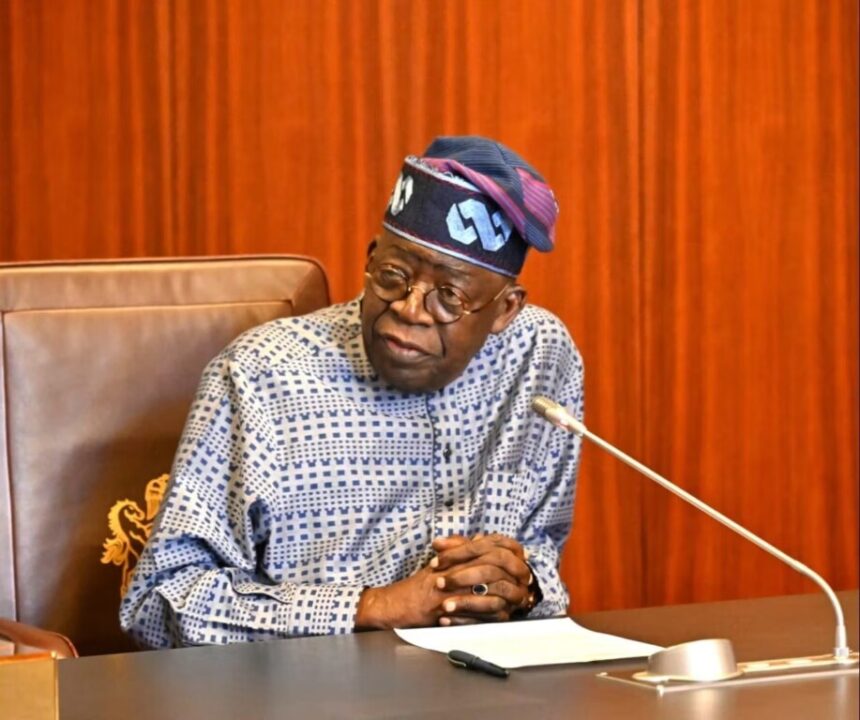
President Bola Tinubu declares that aggressive fiscal overhauls actively strengthen international investor confidence and rapidly rebuild Nigeria’s macroeconomic outlook. The Presidency confirms that decisive policy shifts within the highly volatile foreign exchange market, critical energy infrastructure, and public fiscal structures stabilize state finances. These foundational changes successfully attract fresh domestic capital and vital foreign direct investment despite ongoing global macroeconomic challenges.
Government administrators boldly confront structural bottlenecks that previously choked off commercial progress. By floating the national currency and slashing multi-billion naira subsidies, authorities establish a highly transparent and predictable marketplace. Global financial institutions acknowledge these difficult measures as necessary steps toward long-term fiscal solvency. Analysts observe that international asset managers are quietly returning to local bond auctions, reversing years of persistent capital flight.
Simultaneously, the administration accelerates business registration processes and simplifies tax structures for multinational corporations. These strategic actions remove bureaucratic friction, positioning the continent’s most populous nation as a premier destination for frontier market capital. Officials emphasize that current temporary hardships lay the groundwork for high-yield economic expansions. The newly structured framework prioritizes private enterprise over state-controlled monopolies, sparking industrial modernization.
Furthermore, direct engagement with key international trade partners validates the renewed policy direction. Foreign diplomats praise the administration’s fiscal transparency, citing it as an essential prerequisite for future bilateral economic partnerships. Local manufacturers report improved access to essential machinery imports, pointing to a healthier, more balanced supply chain.
Ultimately, the Federal Government maintains an unwavering commitment to these deep systemic changes. As public infrastructure projects receive direct funding from newly saved revenues, the domestic economy transitions from dependency toward productivity. Executive planners guarantee that this structural resilience shields Nigeria from future commodity price shocks, securing lasting prosperity.