At the invitation of the Emir of Zazzau, S24 Television’s Director of Strategy, Research and Global Partnerships, John Coster, alongside the CEO, Halima Abdulrauf and other team members are attending this year’s Eid-ul-Kabir Sallah Durbar, popularly known as Hawan 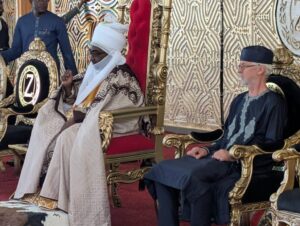 04bad36d-d146-4105-a31c-e9553c24bb99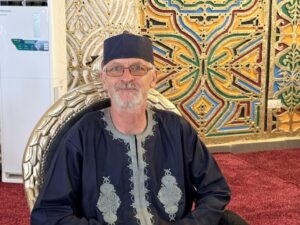
Daushe, one of Northern Nigeria’s most symbolic displays of royal tradition, cultural identity and community heritage.
The Emir is expected to begin receiving guests from 9:00 a.m., as dignitaries, traditional title holders, cultural custodians and invited guests gather to witness the historic celebration.
Following their engagement, the Emir of Zazzau and John Coster toured the Emir’s personal gallery, a space that reflects the depth of Zazzau’s history, memory, leadership and cultural continuity.
The visit further deepens S24 Television’s growing engagement with traditional institutions, cultural preservation and heritage storytelling across Northern Nigeria.
In recent months, S24 Television has intensified efforts to document and amplify the cultural, historical and institutional legacies that continue to shape communities across the region. On 10 May 2026, John Coster visited the Emir of Zazzau alongside the S24 Television team, including the Chief Executive Officer, Halima Abdulrauf, and the Chief Operating Officer, Abubakar Muhammad Jega.
That visit provided the team with a deeper appreciation of the history, tradition and legacy preserved within the Zazzau Palace, while reinforcing the importance of traditional institutions in safeguarding identity, continuity and social cohesion.
For S24 Television, the engagement forms part of a broader editorial and institutional commitment to telling African stories with depth, dignity and global relevance.
Hawan Daushe remains more than a ceremonial procession. It is a living archive of power, faith, artistry, loyalty and memory, a reminder that culture is not only inherited, but actively preserved, performed and passed on.
As S24 Television continues to expand its cultural and documentary footprint, its presence in Zazzau signals a deliberate effort to place Northern Nigeria’s heritage within a wider national and global conversation.