
Nigeria’s domestic business landscape is fracturing into two distinct, conflicting realities. The Nigerian Economic Summit Group’s latest Business Confidence Monitor shows overall corporate optimism rising across the federation, with the headline index climbing steadily to 104.6 points.
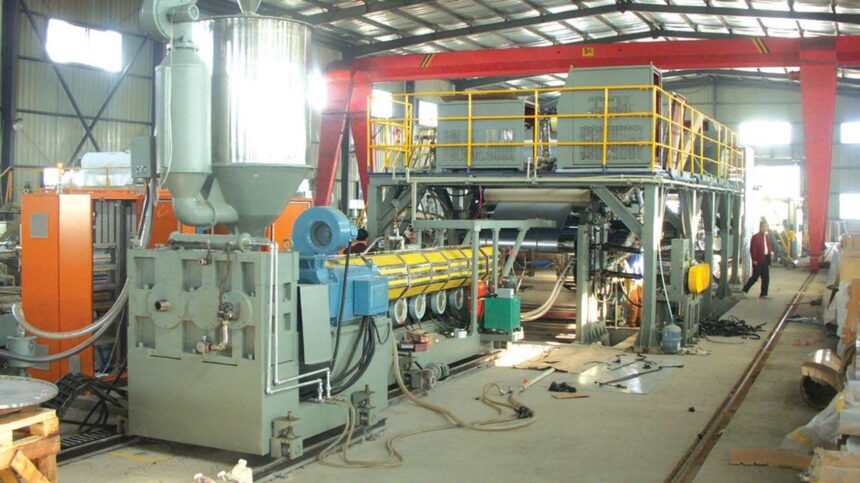
The manufacturing sector spearheads this impressive growth, roaring forward to 114.1 points. Eager shoppers are buying up food, beverages, and textiles, pumping vital cash back into local assembly lines. Factory floors are humming with activity to meet this rising consumer demand. Yet, manufacturing operators temper their excitement with caution. Erratic power grids and skyrocketing raw material costs force companies to spend heavy chunks of capital on diesel generators just to keep production lines moving.
Conversely, the agricultural sector is retreating rapidly, slipping into an alarming contraction at 97.5 points. Agribusinesses face severe, unrelenting pressure from multiple fronts. Relentless security threats in major farming belts prevent farmers from cultivating land, while dilapidated rural transport infrastructure chokes vital distribution channels. High fuel costs mean trucking companies charge exorbitant rates to move food from farms to city markets.
This dangerous agricultural decline threatens local food security and drives up market prices for everyday citizens. While urban factories celebrate booming sales and high demand, rural farms are fighting for survival against systemic logistical bottlenecks. The sharp divide highlights the uneven nature of Nigeria’s current economic recovery. Economists stress that the government must fix rural security and energy infrastructure immediately. Without a stable agricultural foundation, the manufacturing boom will eventually stall under the weight of rising food inflation and escalating operational costs.