The Lagos Waste Management Authority (LAWMA) says it is introducing sweeping reforms to clear waste backlogs and improve sanitation across the state.
LAWMA’s Managing Director Dr Muyiwa Gbadegesin disclosed the plans during a live interview on Lagos Traffic Radio, linking the surge of refuse on roads to ageing landfills, rising waste generation, heavy rainfall, and poor disposal infrastructure.
Gbadegesin explained that Lagos produces 13,000 to 15,000 tonnes of waste daily, driven by its 22 million residents. He noted that two major dumpsites, Olusosun and Solous III, have reached the end of their operational lives. The state is now shifting to modern systems, including transfer loading stations, recovery facilities, and waste‑to‑energy plants.
The Olusosun station will process 2,500 tonnes of waste daily. A recovery facility in Ikorodu will recycle up to 90 percent of incoming refuse. Organic waste will become compost or energy, plastics will be turned into new products, and only a small fraction will go to engineered landfills.
The projects will create about 5,000 jobs and begin operations in early 2027. LAWMA has also deployed biodigesters, including one at Ikoyi Fruit Market, which converts fruit waste into biogas for electricity and cooking gas.
Gbadegesin identified poor compliance with waste rules as another challenge. He said households must keep bins and subscribe to licensed PSP operators, but many fail to do so. He urged residents to report delays instead of dumping refuse illegally, promising a 48‑hour response time.
LAWMA monitors PSP operators monthly and sanctions defaulters. Through Project WISE, undercover teams track illegal dumping, prosecute offenders, and secure convictions. Some offenders serve jail terms, while others perform community service.
The agency is also pushing behavioural change campaigns through the LAWMA Academy, which educates young people on recycling and responsible waste management. Gbadegesin said waste education should be part of school curricula.
LAWMA is expanding door‑to‑door collection with tricycles in areas inaccessible to trucks. It also plans community recycling centres where residents can exchange recyclables for cash. Gbadegesin estimated Lagos generates recyclable materials worth $2.5 billion annually.
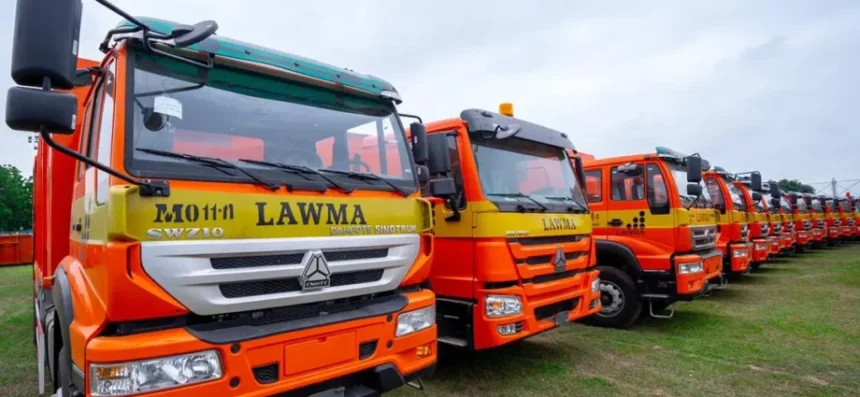
The authority recently received 10 compactor trucks and expects 150 more this year, though Lagos needs about 2,000 for full coverage. Seven transfer loading stations are under construction or rehabilitation, with a target of 20 under a three‑year plan.
Gbadegesin assured residents that ongoing projects would improve waste evacuation. “By August, when rainfall reduces, the situation will improve further. Before December, Lagosians should expect a cleaner environment and a cleaner festive season,” he said.