
Long before printing presses, smartphones and social media transformed the way stories travelled, a woman in ancient Japan quietly changed literature forever.
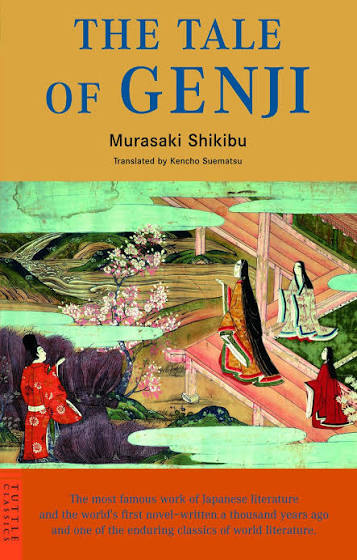
Around the year 1010, Murasaki Shikibu, a lady in waiting in the imperial court of Kyoto, began writing The Tale of Genji.
More than 1,000 years later, scholars still recognize it as the world’s first novel. The masterpiece explores love, politics, ambition and heartbreak with extraordinary emotional depth.
Her achievement did not happen by chance. It grew from one of history’s greatest cultural periods, the Heian Era.
A City That Inspired Creativity
The Heian Era lasted from 794 to 1185. It began when Emperor Kanmu moved Japan’s capital to Heian-kyō, now called Kyoto. The city quickly became the nation’s political and cultural centre.
While many medieval societies struggled with constant conflict, Japan enjoyed long periods of peace during the early Heian years. That stability allowed writers, artists and musicians to flourish.
Members of the imperial court devoted their time to poetry, painting, music and scholarship. They measured status through talent, intelligence and refinement as much as wealth.
A well crafted poem could earn admiration. A graceful letter could strengthen friendships or influence political alliances. Even the colours of court robes reflected elegance and education.
During the Heian Era, culture carried enormous influence.
The Woman Who Redefined Storytelling
Murasaki Shikibu stood among the gifted women who served in the imperial court.
Instead of writing in Chinese, the language many officials preferred, she chose Japanese. Her decision allowed her to express emotions and conversations with remarkable clarity.
She created The Tale of Genji, a story that follows the life of Prince Hikaru Genji through romance, political intrigue, family relationships and personal loss.
Rather than relying on battles or heroic adventures, Murasaki explored the thoughts, fears and desires of her characters. Every relationship evolved naturally, and every decision shaped the lives of those involved.
Readers did more than follow events. They understood the characters’ emotions.
That approach transformed storytelling.
Why Many Scholars Call It the World’s First Novel
People had shared stories for thousands of years before Murasaki wrote The Tale of Genji. Ancient civilizations produced masterpieces such as The Epic of Gilgamesh, The Iliad and The Odyssey.
However, Murasaki introduced something different.
She focused on believable people instead of legendary heroes. She allowed characters to grow, change and make difficult choices. She examined human emotions with unusual honesty and detail.
For those reasons, many literary scholars describe The Tale of Genji as the world’s first true novel.
Modern fiction still follows many of the storytelling techniques she pioneered more than a millennium ago.
When Poetry Became Everyday Life
Literature shaped everyday life throughout the Heian Era.
Courtiers exchanged waka, a 31 syllable form of Japanese poetry, to express affection, gratitude, admiration or sorrow. A single poem could begin a romance, repair a disagreement or deepen a friendship.
Artists filled scrolls with elegant calligraphy, while painters created works that reflected nature and court life. Musicians entertained nobles, and skilled craftsmen decorated fans, screens and robes with remarkable detail.
Creativity touched nearly every part of daily life.
The Women Who Left a Lasting Legacy
The Heian Era gave women an opportunity to shape Japanese literature in extraordinary ways.
Alongside Murasaki Shikibu, Sei Shōnagon wrote The Pillow Book, a lively collection of observations about court life, beauty and human behaviour.
Together, these remarkable women created literary works that continue to inspire readers across the world.
Their words survived changing governments, shifting cultures and the passing of more than 1,000 years.
Kyoto Still Carries the Spirit of the Heian Era
The Heian Era ended in 1185 when military leaders gained political control. Even so, its cultural achievements continued to influence Japan.
Today, Kyoto preserves much of that legacy through its temples, shrines, gardens and traditional arts. Visitors still experience the elegance that once defined life at the imperial court.
Meanwhile, The Tale of Genji continues to attract readers across the globe. Translators have introduced it to new audiences, while filmmakers, theatre producers and artists continue to reinterpret its timeless story.
A Story That Outlived an Empire
The Heian Era reminds us that artists, poets and writers shape history as much as kings and warriors.
Its greatest gift to the world was not a military conquest or a technological breakthrough. It was a story.
A story that crossed centuries, languages and cultures.
More than 1,000 years later, The Tale of Genji continues to prove that the most powerful stories do not simply entertain. They reveal what it means to be human.
That achievement explains why the Heian Era remains one of history’s greatest cultural triumphs and why its literary legacy continues to inspire readers around the world.