

Nigeria has confirmed a case of Ebola Virus Disease (EVD) in the Federal Capital Territory (FCT), Abuja, prompting renewed concerns about the country’s preparedness to contain the potentially deadly infection.
The Minister of Health and Social Welfare, Prof. Muhammad Ali Pate, confirmed the case on Tuesday, October 20, 2026, saying the patient, a woman who recently arrived in Nigeria on an international flight from Uganda, tested positive after receiving treatment at a private hospital in Abuja.
Pate said the woman had been isolated and was receiving medical care, while health authorities had identified 44 close contacts and commenced contact tracing to prevent further transmission.
According to the minister, the Federal Ministry of Health and Social Welfare, the Nigeria Centre for Disease Control and Prevention (NCDC), the FCT Health Services Secretariat and other relevant agencies are coordinating the response.
He urged public and private healthcare facilities nationwide to remain on high alert, promptly identify suspected cases and strictly observe infection prevention and control measures.
The minister also advised Nigerians to remain calm, report suspected cases and cooperate with public health officials.
“For information or to report a suspected case, please call NCDC toll-free number 6232,” he said.
Nigeria’s Ebola Preparedness Under Scrutiny
The confirmation has renewed questions about Nigeria’s preparedness, particularly following concerns previously raised about the implementation of measures introduced to prevent the virus from entering the country.
In June 2026, President Bola Ahmed Tinubu approved the immediate release of N10 billion for public health preparedness and emergency response following warnings about the risk of Ebola importation.
The Federal Government also established a Presidential Task Force on Ebola Virus Disease Preparedness and Emerging Public Health Threats, chaired by the Chief of Staff to the President, Femi Gbajabiamila.
The measures included enhanced passenger screening at international airports, improved surveillance along high-risk travel routes and the activation of referral and isolation centres at the Lagos and Abuja international airports.
However, concerns were raised in September about the implementation of the measures, with travellers reporting that health checks and verification procedures were not consistently carried out upon arrival at Nnamdi Azikiwe International Airport in Abuja.
Medical experts have stressed that releasing emergency funds alone is insufficient without transparent expenditure, trained personnel, adequate protective equipment, functional isolation facilities and effective contact tracing.
They say the effectiveness of Nigeria’s response will depend on how quickly suspected cases are identified, diagnosed and isolated, as well as the ability of health authorities to monitor exposed individuals.
Nigeria’s Experience With Ebola
Nigeria successfully contained an Ebola outbreak in 2014 after the virus was introduced into the country by Patrick Sawyer, a Liberian-American diplomat who arrived in Lagos on July 20 that year.
Sawyer was admitted to a private hospital and died five days later, triggering an emergency response involving federal and state health authorities and international partners.
According to a report published by the United States Centres for Disease Control and Prevention, Nigeria recorded 20 Ebola cases, comprising 19 laboratory-confirmed cases and one probable case.
Eight people died during the outbreak, while 11 laboratory-confirmed patients were discharged after receiving treatment.
Health authorities identified and monitored 894 contacts, and no new cases were reported after August 31, 2014.
The experience demonstrated the importance of early detection, isolation, contact tracing and coordination among health agencies in preventing a localised infection from becoming a wider outbreak.
Regional Outbreak Raises Concern
Nigeria’s confirmed case comes amid an Ebola outbreak in the Democratic Republic of the Congo (DRC), with related infections reported in Kenya and public health measures activated in Uganda.
The World Health Organisation (WHO), in an update published on October 8, reported that the DRC had recorded 8,728 confirmed cases of Bundibugyo virus disease and 4,205 confirmed deaths as of October 6.
The outbreak had affected 64 health zones across seven provinces.
Kenya also reported infections linked to a patient who travelled from the DRC through Uganda, prompting contact tracing, quarantine and enhanced surveillance.
The regional situation has heightened concerns about cross-border transmission and the need for stronger monitoring of international travellers.
However, health authorities have emphasised that different Ebola-related viruses require different approaches to vaccination and treatment.
The current outbreak in the DRC has been attributed to the Bundibugyo virus, for which the NCDC said no approved vaccine or specific treatment was available at the time of its May 28 advisory.
Symptoms and How Ebola Spreads
Ebola is a severe viral disease that can cause high mortality, although outcomes depend on the virus involved, the circumstances of an outbreak and access to medical care.
According to the WHO, the incubation period ranges from two to 21 days.
Symptoms may include fever, severe weakness, headache, vomiting and diarrhoea. Early symptoms can resemble malaria, Lassa fever and other common illnesses, potentially delaying diagnosis.
The virus spreads primarily through direct contact with the blood or other body fluids of an infected person after symptoms begin, or through contact with contaminated materials.
It is not transmitted through the air in the manner of infections that spread through ordinary breathing in shared indoor spaces.
Healthcare workers and family members caring for infected people without appropriate protective measures may face an increased risk of infection.
The Minister of Health has urged anyone who suspects exposure to report it immediately, even if they feel well. People who develop symptoms after possible exposure should avoid close contact with others and contact public health authorities before visiting a healthcare facility.
The government has also urged anyone contacted during the tracing exercise to provide the necessary information and comply with public health instructions.
Medical Academy Calls for Nationwide High Alert
The Academy of Medical Sciences of Nigeria has called for the immediate activation of nationwide high-alert measures following confirmation of the Abuja case.
In an advisory signed by its President, Emeritus Professor Osato Giwa-Osagie; Foundation President, Professor Oladapo A. Ashiru; and Rapid Response Committee member, Professor Boaz Adegboro, the academy commended the Federal Government and health authorities for initiating contact tracing and isolating the patient.
It called for enhanced screening at airports, seaports and land borders, particularly for travellers arriving from affected countries.
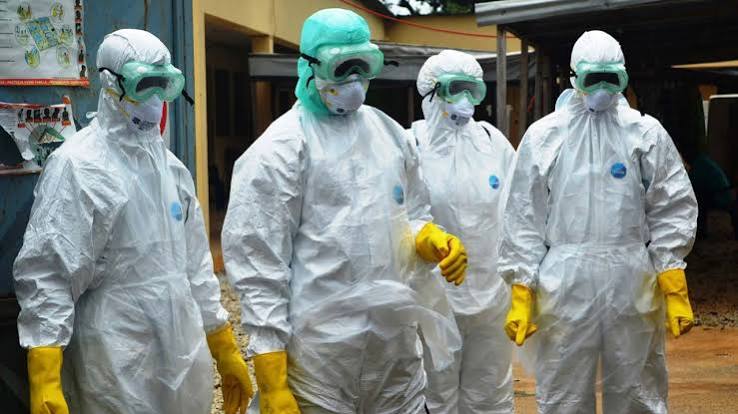
The academy also recommended activating isolation and treatment centres across states, strengthening infection prevention and control measures and ensuring that frontline healthcare workers have adequate personal protective equipment.
It advised Nigerians to maintain proper hand hygiene, avoid contact with the body fluids of suspected cases and refrain from handling the bodies of people suspected to have died from Ebola.
The academy further urged the public to avoid spreading rumours or stigmatising people suspected of having the disease, while relying on verified information from official health authorities.
FAAN Strengthens Airport Surveillance
Meanwhile, the Federal Airports Authority of Nigeria (FAAN) says it has strengthened surveillance across airports nationwide following confirmation of the case.
In a statement issued by its Director of Public Affairs and Consumer Protection, Henry Agbebire, the authority said it was working with the NCDC, Port Health Services, the Nigerian Civil Aviation Authority and other relevant agencies to support containment efforts.
FAAN said it would maintain heightened vigilance and implement additional measures as directed by public health authorities.
It also urged passengers, airlines, airport users and other stakeholders to remain calm, cooperate with health officials and avoid circulating unverified information.
The authority reaffirmed its commitment to working with relevant agencies to safeguard public health and ensure safe airport operations.
As investigations continue, health officials say early reporting, effective contact tracing and cooperation from the public will be critical to preventing further transmission.
Nigerians can contact the NCDC toll-free line on 6232 for information or to report a suspected case.