

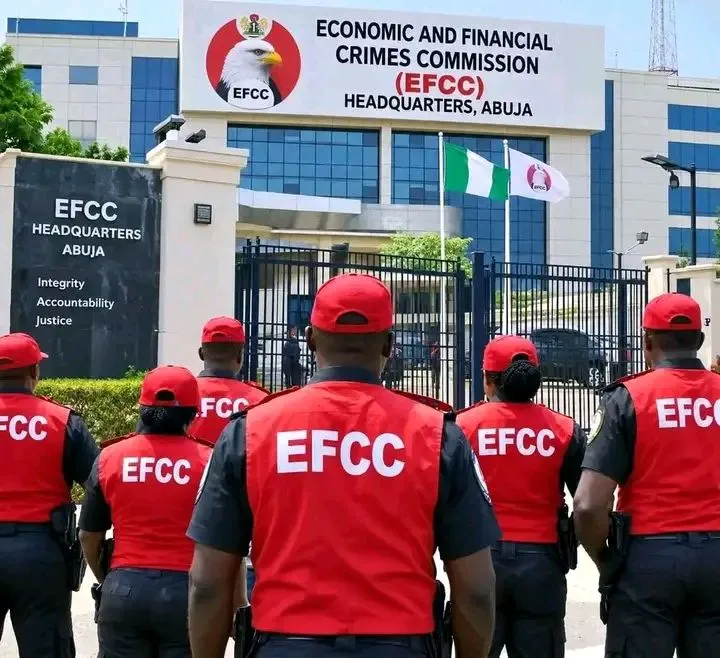
The Economic and Financial Crimes Commission (EFCC) has arrested Abuja businessman Innocent Ezuma over an alleged $120 million investment fraud involving a Ukrainian investor.
The 57-year-old businessman was arrested at his Abuja residence on Monday, October 19, 2026. He remained in the commission’s custody as of Tuesday.
EFCC spokesperson Dele Oyewale confirmed the arrest. However, he declined to disclose further details about the investigation.
Sources familiar with the case alleged that Ezuma received millions of dollars from a Ukrainian investor between 2007 and 2015. The money reportedly funded mineral exploration and power projects.
However, the sources claimed that the businessman failed to deliver the projects. They also alleged that he diverted some of the funds for personal use.
Investigators are reportedly examining transfers worth billions of naira to companies and individuals linked to Ezuma. The inquiry also covers transactions involving his children, according to the sources.
The alleged offences include advance fee fraud, criminal breach of trust, criminal conversion, obtaining money under false pretences, theft and money laundering.
The EFCC has yet to publicly detail the evidence behind these allegations.
The investigation reportedly extends to Ezuma’s earlier business dealings in Nigeria and Ukraine.
One source alleged that Ezuma persuaded two Ukrainian businessmen to finance the privatisation of Jos Steel Rolling Mill in Plateau State during the mid-2000s.
The source claimed that Ezuma later took exclusive control of the facility. He allegedly stripped the mill of its assets and left hundreds of workers without their wages.
If investigators substantiate these claims, the case could raise questions about industrial asset management and investor protection.
However, the available account does not include supporting privatisation records or responses from the parties involved.
Another source accused Ezuma of shooting and seriously injuring a business partner in Ukraine on April 28, 2008.
The source alleged that Ezuma fled to Nigeria after the incident.
The available report does not independently confirm the shooting or establish whether Ukrainian authorities filed charges. The allegation therefore requires further verification.
Investigators are reportedly tracing financial transfers linked to Ezuma and associated companies.
The inquiry could help establish who received the investment funds and how they used the money. Investigators may also need to determine whether the transactions served legitimate business purposes.
The reported $120 million figure raises further questions about the total investment, the amount allegedly diverted and any possible recovery.
The EFCC has not publicly clarified these figures or disclosed the amount it may have traced.
The allegations highlight the risks of large cross-border investments. Investors often transfer substantial sums before mining, energy and infrastructure projects begin generating revenue.
Independent audits and clear financial records can help investors monitor how companies spend project funds. Regular checks on project milestones can also reveal delays or unexplained expenditure.
Investors should also examine company ownership, contractual obligations and related-party transactions before committing large sums. These safeguards can improve transparency and help identify potential financial irregularities.
However, these broader lessons do not establish that Ezuma committed any of the alleged offences.
Sources said the commission was seeking information from members of the public and Ezuma’s former associates.
Investigators are expected to examine the financial transactions and business dealings connected to the allegations. Further findings could clarify the movement of funds and the status of the proposed projects.
The EFCC has not released a comprehensive statement detailing the case or announced any final findings.
The allegations remain unproven, and an arrest does not establish guilt. Any criminal liability must be determined through due legal process.