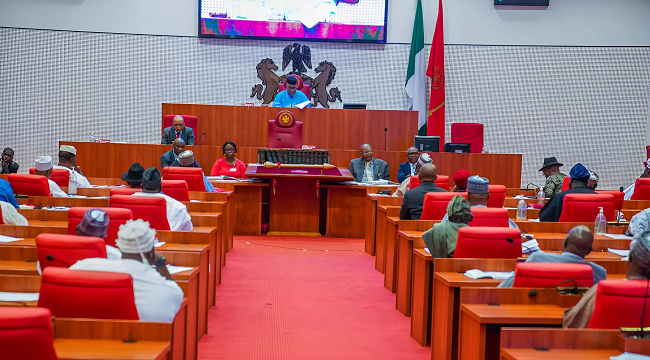
The resolutions followed a motion of urgent public importance moved on Wednesday by Senator Francis Faduyile, representing Ondo South, amid concerns over the potential cross-border spread of the Ebola virus.
Faduyile argued that Nigeria needed stronger disease surveillance measures and an updated legal framework to address emerging public health threats, describing the existing quarantine legislation as outdated and inadequate for contemporary emergencies.
Contributing to the debate, Senate President Godswill Akpabio raised concerns about what he described as weaknesses in health screening operations at Nigeria’s international airports.
Akpabio stressed the need for stricter screening protocols to strengthen the country’s defences against potential infectious disease threats entering through international travel.
The proposed measures are aimed at improving early detection and strengthening Nigeria’s preparedness to respond to possible cases of Ebola and other communicable diseases.
Lawmakers Call for Emergency Funding
The Senate also urged the Federal Government, through the Ministry of Finance, to release emergency funds to strengthen screening operations and support measures to contain the potential spread of the virus.
The funding request highlights the importance of providing health authorities with the resources required to improve surveillance, detect suspected cases and respond promptly to public health emergencies.
However, the Senate’s call for stronger screening and emergency funding does not, by itself, establish that an Ebola outbreak has been confirmed in Nigeria.
Committee to Monitor Compliance
Following the debate, the Senate referred the motion to its Committee on Health and Communicable Diseases.
The committee is expected to monitor compliance with screening measures at international airports and report its findings back to the Senate.
The proposed repeal and replacement of the Quarantine Act of 1926 would also raise broader questions about whether Nigeria’s existing legal framework adequately supports modern disease surveillance, border health controls and emergency response.
The Senate’s resolutions underscore the need for coordinated action by relevant government agencies to strengthen public health preparedness and protect Nigerians against potential cross-border disease threats.