
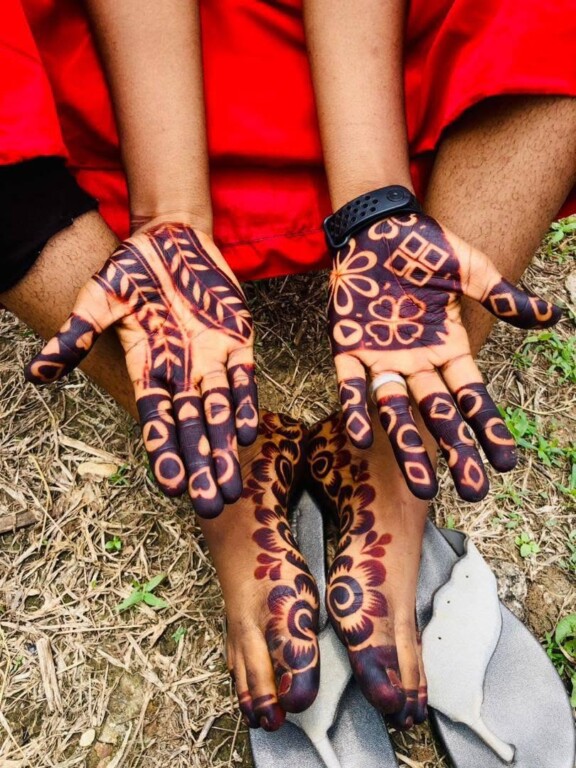
Henna, traditionally known as ḥināʾ in Arabic and lalle in Hausa, has for centuries been used across Muslim societies for body decoration, hair colouring and cultural ceremonies.
In Northern Nigeria and other parts of Africa, henna remains an important part of traditional beauty, particularly among women and during weddings, Eid celebrations and other social occasions. Its use, however, extends beyond decoration, with traditional communities also associating it with skin care, hair care and certain therapeutic applications.
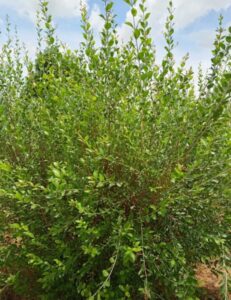
Henna is obtained from the leaves of the Lawsonia inermis plant. When the leaves are dried and processed into powder and mixed with a suitable liquid, they produce a natural dye that can leave an orange, reddish-brown or deep brown stain on the skin and hair.
Henna in Islamic Tradition
Henna has a long history in Muslim communities, and its use is reported in hadith literature.
One of the commonly cited narrations concerns the Prophet Muhammad’s recognition of henna as a dye for hair. Reports in the hadith literature indicate that the Prophet encouraged changing the appearance of grey hair, while other narrations mention the use of henna and katam as colouring agents.
There are also narrations concerning women using henna on their hands. In a report recorded by Abu Dawud, a woman is mentioned as having coloured her hands with henna, illustrating that the practice was known during the Prophet’s time.
However, Muslims should distinguish between what is authentically established and what has become popular through culture. Not every statement circulating online about the Prophet and henna is an authentic hadith.
Does the Prophet Recommend Henna as Medicine?
Henna is frequently promoted in traditional medicine as a remedy for numerous conditions. Some traditional practices involve applying henna to the skin for cooling or soothing purposes and using it as part of hair and scalp care.
However, there is a need for caution when attributing such practices directly to the Prophet Muhammad.
Some narrations about the medicinal properties of henna are considered weak by hadith scholars, while others are debated. Therefore, claims that the Prophet specifically prescribed henna as a treatment for particular diseases should not be presented as established Sunnah without verifying the authenticity of the narration.
The safest conclusion is that henna has a recognised place in Islamic culture and historical practice, but its specific medical claims require separate scientific and medical evidence.
Traditional Benefits of Henna
Traditionally, henna has been valued for several purposes.
Natural Body Decoration
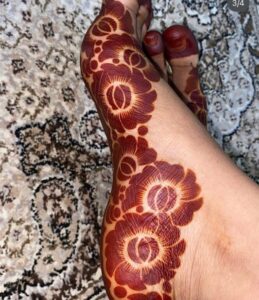
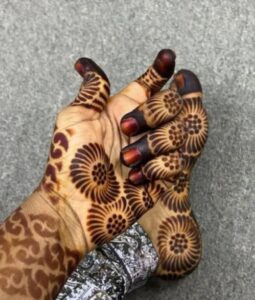
Henna is widely used to create temporary designs on the hands and feet. Unlike permanent tattooing, traditional henna stains the outer layers of the skin and gradually fades as the skin naturally sheds.
Hair Colouring
Henna can provide a natural reddish or reddish-brown colour to hair. It has historically been used as an alternative to synthetic hair dyes.
Hair and Scalp Care
Traditional users often apply henna to the hair as a conditioning treatment. Henna can coat the hair shaft, giving the hair a thicker or fuller appearance and adding colour.
However, people with scalp conditions or allergies should exercise caution and stop using it if irritation develops.
Traditional Skin Care
Henna paste has traditionally been applied to the skin for its cooling and soothing sensation. This practice is particularly common in hot climates.
Cultural and Religious Celebrations
Henna plays a major cultural role in weddings, naming ceremonies, Eid celebrations and other occasions across Muslim communities.
In Northern Nigeria, the application of henna is deeply connected with traditional Hausa-Fulani aesthetics and marriage customs.
What Does Modern Science Say About Henna?
The henna plant contains lawsone, a naturally occurring compound responsible for its characteristic orange-red staining effect.
Research has investigated henna and its components for various biological properties, including antimicrobial and antioxidant activity. However, laboratory findings should not automatically be interpreted as proof that applying henna can cure a disease.
Henna should therefore be viewed primarily as a traditional cosmetic and dye, while any medicinal use should be approached carefully and, where necessary, discussed with a qualified health professional.
Important Warning About “Black Henna”
One of the most important health concerns associated with henna is the product commonly marketed as “black henna.”
Natural henna normally produces shades ranging from orange to reddish-brown. Very dark or black stains may indicate that additional chemicals have been added.
Some black-henna products contain para-phenylenediamine (PPD), a chemical associated with serious skin reactions, including severe allergic reactions, blistering and permanent scarring in some cases.
For this reason, consumers should be cautious about products advertised as black henna or henna that produces an unusually dark stain very quickly.
Henna and Children
Parents should also be particularly careful when using henna on children. Children may have sensitive skin and can develop allergic reactions, particularly when products contain additives.
Natural henna from a reputable source is generally different from chemically modified black-henna products, but even natural products can cause reactions in some individuals.
Henna and the Sunnah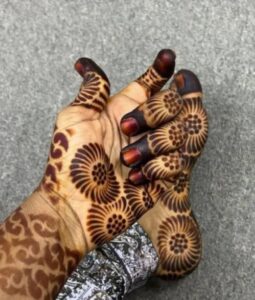
For Muslims, the important point is to avoid exaggeration.
Henna has a longstanding place in Islamic culture and is associated with traditional grooming and adornment. Its use by Muslims therefore has historical and cultural significance.
But Muslims should not automatically classify every traditional use of henna as a religious instruction from the Prophet Muhammad.
Similarly, traditional claims that henna can cure a long list of diseases should not be presented as prophetic medicine unless supported by reliable hadith scholarship.
Conclusion
Traditional henna remains much more than a beauty practice. It represents a combination of culture, history, personal adornment and, in some communities, traditional health practices.
Islamic tradition provides evidence that henna was known and used during the Prophet Muhammad’s time, particularly in relation to grooming and adornment. At the same time, claims about its medical benefits require careful distinction between authentic religious evidence, traditional knowledge and modern scientific research.
For those who use henna, the safest approach is to choose pure, properly prepared henna, avoid products containing unknown chemicals, particularly “black henna,” and seek medical advice when using it for a health condition.
Henna can remain an important part of cultural and Islamic heritage without attributing unverified medical claims to the Prophet Muhammad.