
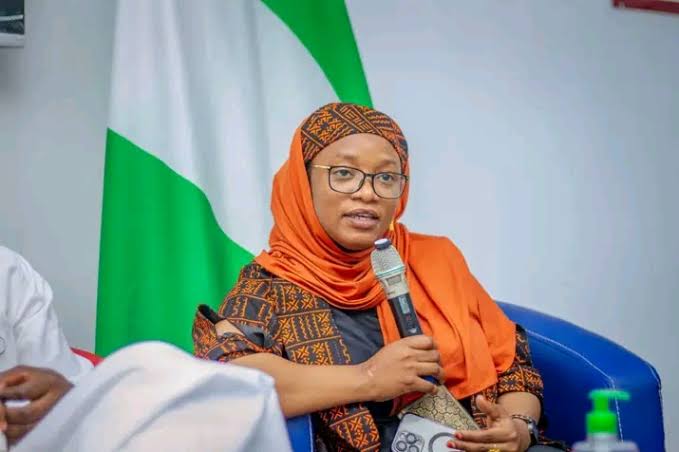
Dr Jamila M. Dahiru, former Bauchi State Commissioner for Education, academic and founder of We Care Centre, has described youth innovation as a major driver of development in Nigeria, stressing the need for the country to deliberately create opportunities for young people to develop and contribute to society.
Dahiru made the statement while appearing as a guest on S24 Insight in Abuja, where she spoke about education, youth development, mentorship and the importance of harnessing Nigeria’s growing young population for national development.
According to her, Nigeria’s demographic structure presents a significant opportunity if young people are properly engaged, mentored and equipped with the skills required to contribute positively to society.
She argued that rather than viewing the country’s large youth population only as a challenge, policymakers and older generations should recognise it as a potential resource for innovation, entrepreneurship, leadership and social development.
LINK: https://youtu.be/MuzTCLOCAj4?si=SDGE6Bx0H1mhE6Rr
“Nigeria has a very large youth population, and bringing young people towards the development space is important,” she said, stressing the need to test their abilities and create platforms where their talents can be identified and positively channelled.
Dahiru said her experience working closely with young people had exposed her to the enormous talents and potential that exist among Nigerian youths.
She explained that her interaction with young people showed her that many of them possess the capacity to make meaningful contributions to society but often require guidance, mentorship and opportunities to develop their abilities.
It was against this background, she said, that she established a leadership mentorship class aimed at helping young people identify their career interests, develop relevant skills and understand areas where they need improvement.
The initiative, according to her, is designed to go beyond conventional classroom education by exposing young people to leadership, career development, personal growth and practical skills needed to navigate an increasingly competitive society.
Dahiru maintained that young Nigerians have the potential to play significant roles in shaping the country’s future if the right structures are created to support them.
She called for greater investment in youth development, arguing that young people should not merely be recipients of government policies but should also be active participants in designing and implementing solutions to Nigeria’s challenges.
Harnessing Bauchi’s Youth Population
The education expert also highlighted the importance of Bauchi State as a strategic location for youth development initiatives.
She described the state’s youth population as “amazing”, stressing that the concentration of young people in Bauchi provides an opportunity for the state to develop a strong generation of future leaders, professionals, innovators and entrepreneurs.
According to her, selecting Bauchi as a major focus for youth-oriented initiatives was deliberate because of the significant number of young people in the state.
She argued that policymakers and community leaders need to create platforms where young people can express their ideas, discuss their challenges and contribute to conversations about the future of the country.
“Bring them and hear from them,” she said, emphasising that young people need to be listened to rather than merely spoken to.
Dahiru believes that engaging young people directly can help policymakers better understand their aspirations, challenges and expectations while also allowing young Nigerians to develop a better understanding of their responsibilities to society.
Mentorship and the Responsibility of Older Generations
The former commissioner also placed responsibility on older generations to play a more active role in mentoring young Nigerians.
She argued that experienced members of society have a duty to share knowledge, provide guidance and create opportunities for younger people to learn from their experiences.
According to her, mentorship should not be limited to formal programmes but should become part of the relationship between generations.
She urged older Nigerians to deliberately encourage young people to participate in mentorship programmes and other development initiatives.
Rather than simply criticising young people for their shortcomings, she said older generations should guide them, identify their strengths and help them channel their energy towards productive activities.
She also pointed to the contributions of prominent Nigerians, including Professor Attahiru Jega, as examples of individuals whose impact on society demonstrates the importance of experience, knowledge and service.
For Dahiru, the responsibility of building Nigeria should therefore not rest exclusively on government.
Families, educational institutions, professionals, community leaders and older generations all have roles to play in preparing young Nigerians for leadership and productive citizenship.
From Youth Population to Development Capital
Nigeria’s large population can only become an advantage when the country’s human capital is properly developed.
Dahiru’s argument centres on the need to move from simply counting young people to investing in their capabilities.
A large youth population without adequate education, employment opportunities, mentorship and skills development can become a source of social pressure.
But a well-educated and empowered youth population can become an engine of economic growth, innovation and institutional renewal.
This makes youth development particularly important for Nigeria as the country seeks to address unemployment, poverty, insecurity, technological gaps and other development challenges.
Dahiru said the positive side of young people’s energy, creativity and ambition must be deliberately harnessed.
She stressed that young people should be given opportunities to experiment, develop ideas, fail, learn and improve, rather than being excluded from decision-making spaces because of their age.
Education Beyond the Classroom
As an education expert and former commissioner, Dahiru also emphasised the broader meaning of education.
For her, education should not only prepare young people to pass examinations but should equip them with the knowledge, skills, confidence and values required to participate effectively in society.
Career identification, leadership development, mentorship and continuous self-improvement, she argued, should form part of the process of preparing young Nigerians for the future.
Her leadership mentorship initiative reflects this broader understanding of education, focusing on helping young people identify where their strengths lie and determine the areas in which they need further development.
She believes that when young people understand their abilities and receive appropriate guidance, they are better positioned to make informed decisions about their careers and contributions to society.
Nigeria’s Demographic Opportunity
With Nigeria’s population now estimated at more than 250 million, the country faces both a demographic opportunity and a development challenge.
For Dahiru, the appropriate response is not to fear the size of the youth population but to deliberately invest in it.
She argued that young people should be brought into the development process, listened to and given opportunities to contribute ideas.
The country, she maintained, cannot afford to have a large generation of young people disconnected from productive economic and social activities.
Instead, their creativity, technological abilities, entrepreneurial spirit and willingness to innovate should be directed towards solving national problems.
A Call for Intergenerational Partnership
Ultimately, Dahiru’s message is centred on partnership between generations.
Young Nigerians need access to opportunities, but they also need guidance.
Older Nigerians possess experience and knowledge, but they must be willing to transfer that knowledge to the next generation.
Government has the responsibility to create enabling policies, while educational institutions, civil society organisations, businesses and communities can provide platforms for skills development, mentorship and innovation.
Dahiru believes that this intergenerational partnership can help Nigeria transform its large youth population from a demographic challenge into a powerful development asset.
Her message is therefore clear: Nigeria’s future cannot be secured by young people alone or by older generations alone. It requires experienced leaders to mentor, institutions to create opportunities and young Nigerians to innovate, participate and take responsibility for the society they will eventually lead.
For a country with a predominantly young population, investing in youth innovation and leadership is not simply a social intervention.
It is an investment in Nigeria’s future.